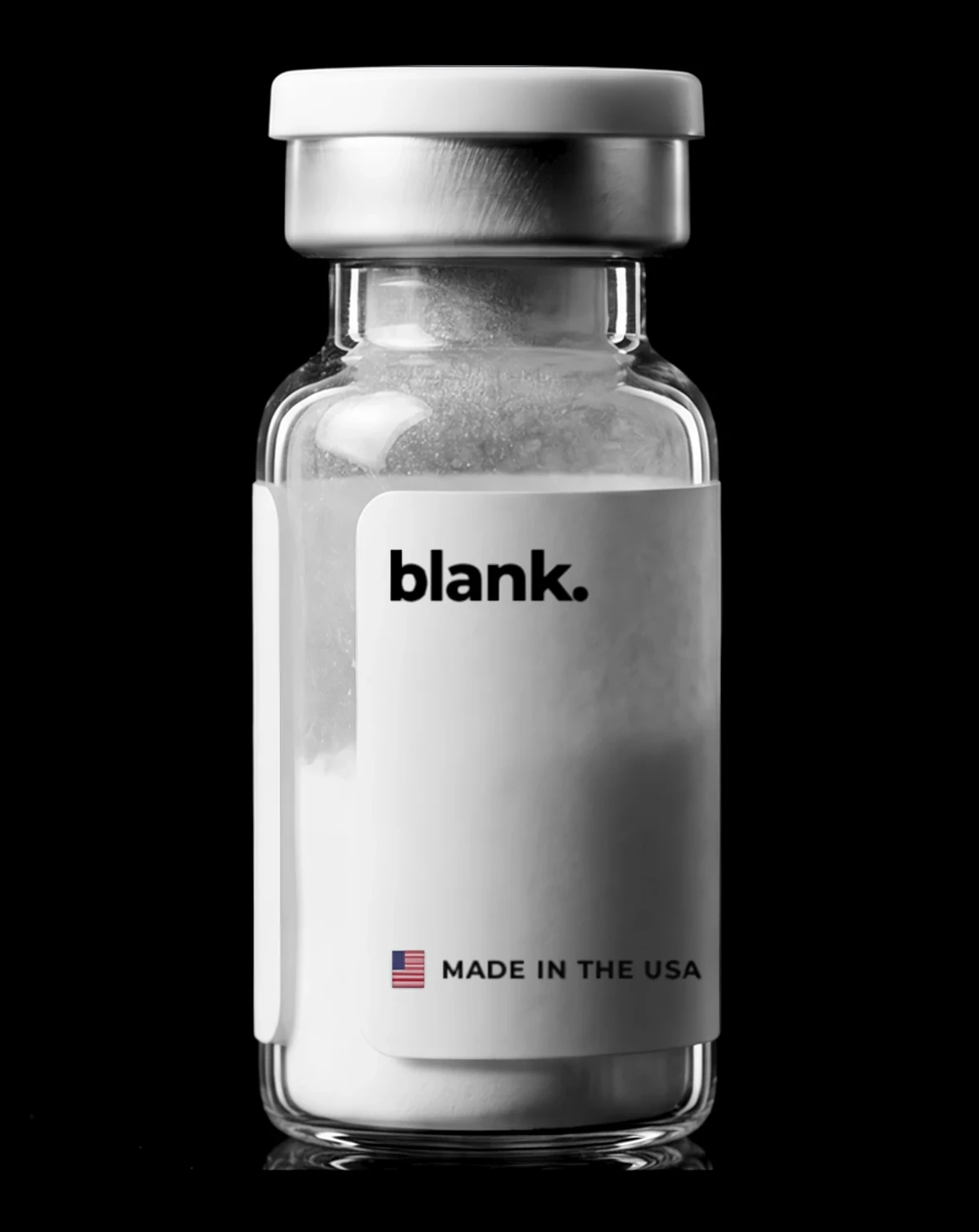
Ships in 1 Business Day From Texas
GHK-CU — Blank Peptides

(2-Pack) GHK-CU – 100mg

Price $135.00

Peer-Reviewed Literature

Related Studies

GHK-Cu · 2018

Regenerative and Protective Actions of the GHK-Cu Peptide in the Light of the New Gene Data

International Journal of Molecular Sciences

Gene expression analysis showing GHK-Cu regulates 4,000+ human genes, upregulating regenerative genes while suppressing pro-aging genes including NF-κB and inflammatory mediators.

GHK-Cu · 2015

GHK Peptide as a Natural Modulator of Multiple Cellular Pathways in Skin Regeneration

BioMed Research International

Comprehensive review demonstrating GHK-Cu stimulates collagen and elastin synthesis, modulates metalloproteinase activity, promotes fibroblast function, and operates through multiple signaling mechanisms.

GHK-Cu · 2012

The Human Tripeptide GHK-Cu in Prevention of Oxidative Stress and Degenerative Conditions of Aging

Oxidative Medicine and Cellular Longevity

GHK-Cu functions as copper complex enhancing wound healing and collagen synthesis through angiogenesis, antioxidant defense, and prevention of protein degradation, with age-related decline noted.

GHK-Cu · 2015

GHK Peptide as a Natural Modulator of Multiple Cellular Pathways in Skin Regeneration

BioMed Research International

GHK-Cu modulates expression of 4,000+ human genes, resetting gene expression patterns of damaged tissues toward health — affecting antioxidant, anti-inflammatory, stem cell, and DNA repair pathways.

GHK-Cu · 2012

The Human Tripeptide GHK-Cu in Prevention of Oxidative Stress and Degenerative Conditions of Aging

Oxidative Medicine and Cellular Longevity

GHK-Cu levels decline from 200 ng/mL at age 20 to 80 ng/mL by age 60. This decline correlates with increased oxidative damage, and exogenous GHK-Cu supplementation reverses multiple age-related biomarkers.

GHK-Cu · 2007

Biological Effects of a Novel Multifunctional GHK-Cu Loaded Wound Dressing

International Journal of Pharmaceutics

GHK-Cu-loaded wound dressings accelerated full-thickness wound closure in rats by 40% vs controls, with enhanced collagen synthesis, angiogenesis, and earlier expression of wound-healing cytokines.