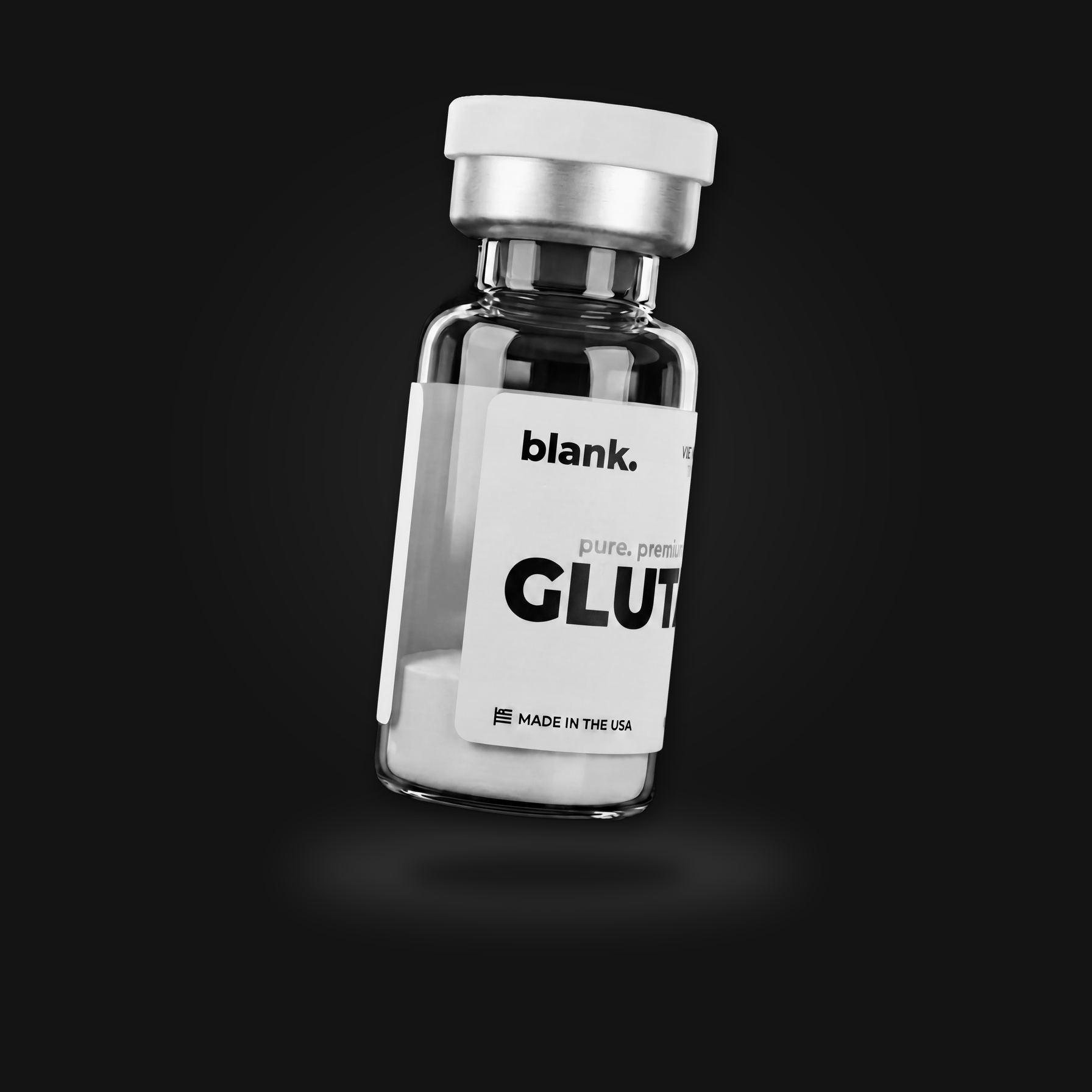
GLUTATHIONE Glutathione Peptide · Antioxidant Tripeptide · 500mg / 1500mg
 Buy 9+
Save
—
—
Per Vial
Buy 9+
Save
—
—
Per Vial
Glutathione is a tripeptide composed of glutamine, cysteine, and glycine, central to cellular antioxidant defense. Oxidative stress, detoxification pathways, and immune cell function are the main research areas.
Purity >99%Form Lyophilized CompoundNo Endotoxins
Notify me when back in stock
Related Products


Peer-Reviewed Literature
Related Studies
Peer-Reviewed Literature
Related Studies
Randomized Clinical Trial of Long-Term Glutathione Supplementation Offers Protection from Oxidative Damage and Improves HbA1c in Elderly Type 2 Diabetic Patients
Antioxidants
250 diabetic patients receiving 500 mg GSH daily for 6 months showed significant increases in blood GSH, reduced oxidative damage markers, and improved HbA1c in patients over 55.
Glutathione as a Skin-Lightening Agent and in Melasma: A Systematic Review
International Journal of Dermatology
Five RCTs on oral glutathione (250–500 mg daily) showed significant melanin index reduction versus placebo. Combined topical and oral therapy was superior to monotherapy.
Oral Supplementation with Liposomal Glutathione Elevates Body Stores of Glutathione and Markers of Immune Function
European Journal of Clinical Nutrition
Liposomal GSH (500–1000 mg daily) elevated GSH levels 40% in whole blood and 100% in immune cells after 2 weeks, supporting effectiveness in elevating GSH stores and improving immune markers.
Randomized Controlled Trial of Oral Glutathione Supplementation on Body Stores of Glutathione
European Journal of Nutrition
6-month RCT in 54 adults demonstrated oral glutathione (250 and 1000 mg/day) significantly increased blood GSH levels, reduced oxidative stress biomarkers, and enhanced natural killer cell cytotoxicity.
Glutathione and Immune Function
Proceedings of the Nutrition Society
Comprehensive review establishing that intracellular glutathione levels are a critical determinant of lymphocyte proliferation and T-cell activation, with systemic GSH depletion linked to immunodeficiency.
Supplementing Glycine and N-Acetylcysteine (GlyNAC) in Older Adults Improves Glutathione Deficiency, Oxidative Stress, and Mitochondrial Dysfunction
The Journals of Gerontology: Series A
GlyNAC supplementation in older adults corrected glutathione deficiency within 2 weeks, improved mitochondrial function, lowered oxidative stress, and reduced inflammation and insulin resistance over 24 weeks.
Specifications
- Compound
- Glutathione (reduced, GSH) tripeptide
- Form
- Lyophilized powder
- Strength
- 500mg / 1500mg per vial
- Purity
- >99% (brand-wide standard), measured 99.34% on the current lot
- Testing
- HPLC purity, mass spectrometry identity, bacterial endotoxin (pass), run by Horizon Analytical
- Documentation
- Lot DPS-6885849, tested Aug 30, 2026 certificate of analysis
- Storage
- Lyophilized: sealed at -20°C, protected from light. After reconstitution: 2-8°C, use within 28 days.
- Reconstitution
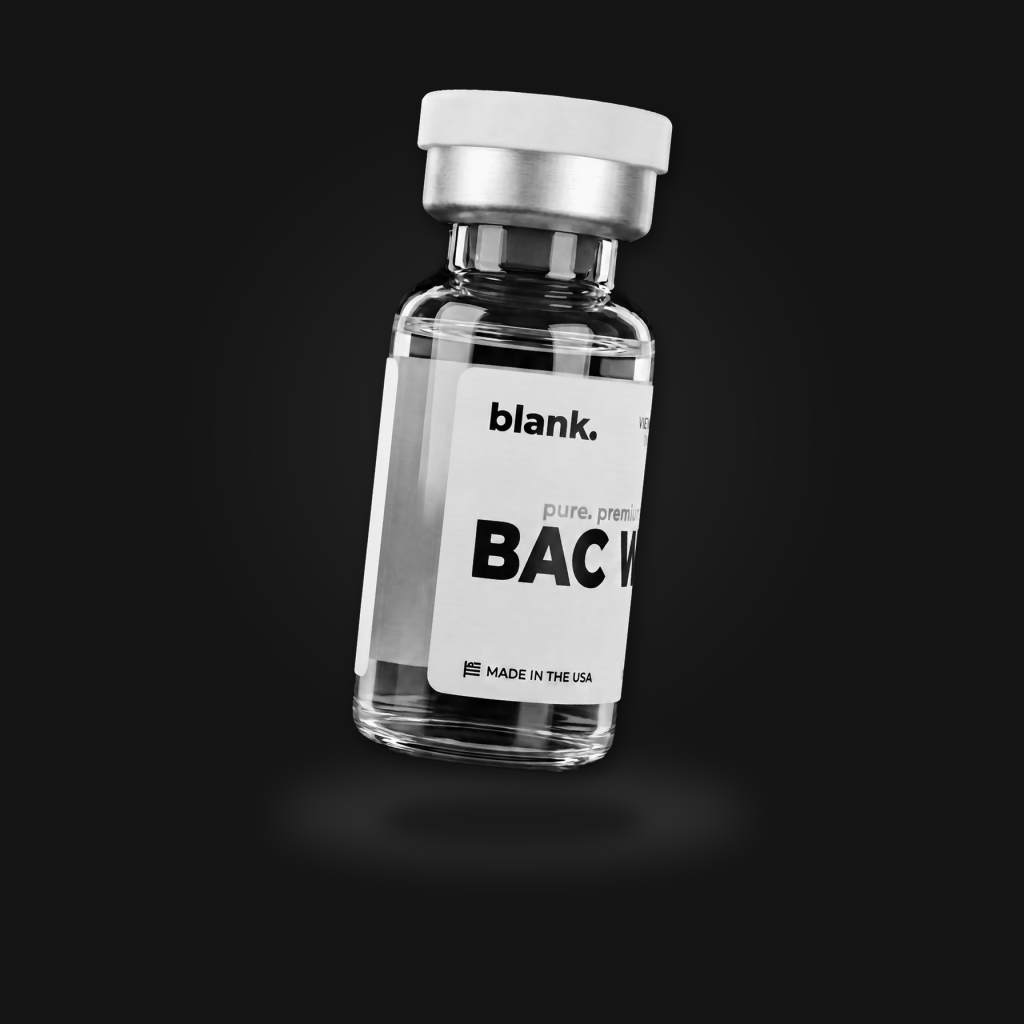
- Bacteriostatic water, 1-2 mL per vial (bacteriostatic water is sold separately)
- Origin
- Vialed, finished, tested and shipped in the USA
- Shipping
- Processed within 1 business day; cold-chain not required for lyophilized vials
- Intended use
- Research use only. Not for human or veterinary use.
GLUTATHIONE FAQ
Where do I buy glutathione for research?
Blank Peptides ships glutathione in 500mg and 1500mg vials. Both are far bigger fills than anything in the peptide range, because glutathione work runs at a metabolic scale rather than a receptor one and the vial has to keep up, and the 1500mg is there for protocols that would otherwise open three of the smaller vials. It comes out of our cGMP labs in the USA with a lot-matched certificate of analysis. No prescription, and processing time is within 1 business day.
What is glutathione?
Glutathione is a tripeptide of glutamate, cysteine and glycine, present in nearly every cell and central to antioxidant defence. Its reduced form neutralises reactive oxygen species; the oxidised dimer is the spent version. Research covers oxidative stress models, phase II detoxification pathways and immune cell function, in culture and in animals.
Is your glutathione third-party tested?
Yes. Purity is greater than 99%, established by in-house HPLC and mass spectrometry and independently confirmed at Freedom Diagnostics or Horizon Analytical. Bacterial endotoxin testing runs on each batch at release. The certificate is tied to your lot, which matters for glutathione because the reduced to oxidised ratio is a real quality variable.
How much bacteriostatic water does a glutathione vial take?
Glutathione is an exception to our 1mL per 10mg standard, alongside NAD+, because the mass per vial is far higher than a signalling peptide. Larger volumes are used instead. A common laboratory approach puts 5mL of bacteriostatic water into the 500mg vial, giving 100mg/mL. For the 1500mg, work back from the concentration your protocol wants rather than a fixed volume, since glutathione stays in solution well past 300mg/mL, and check the headspace first because the bigger fill leaves less room. Add the solvent gradually and swirl until fully clear.
How should glutathione be stored?
Lyophilized and sealed at -20C, kept dark and dry. Reduced glutathione oxidises on exposure to air and light, so an intact seal matters more than usual. After reconstitution, refrigerate at 2 to 8C, minimise headspace exposure, and use within a short window. Solution left sitting will drift toward the oxidised form.
Glutathione vs NAD+: which does my study need?
Glutathione is the direct antioxidant buffer, so redox stress and detoxification models tend to use it. NAD+ is a coenzyme feeding energy metabolism and sirtuin signalling, so mitochondrial and metabolic work tends to use that. Studies of oxidative damage frequently measure both, since the two systems are coupled in vivo.
How is glutathione packaged and shipped?
From inside the USA, plain outer packaging with no compound names, processing time within 1 business day. Tracking is emailed when the label prints. Vials go out padded, and the lyophilized powder tolerates ambient transit temperatures. Damaged glass gets replaced once support sees photos.
Is this glutathione a supplement?
No. It is a research chemical supplied for laboratory use, not a dietary supplement, drug or veterinary product, and it carries no FDA approval in this form. Oral glutathione supplements sold at retail are a different regulatory category entirely. Ordering here confirms you are a qualified researcher working in a research setting.