RESEARCH DISCLAIMERThis article reviews published scientific literature for educational purposes only. All compounds referenced are sold by Blank Peptides exclusively for in-vitro research and laboratory use. Nothing in this article constitutes medical advice, a treatment recommendation, or an endorsement of human use.
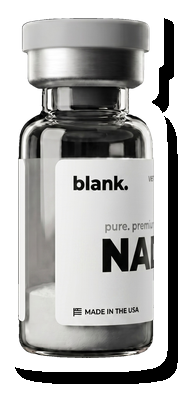
Selank is a synthetic heptapeptide with the amino acid sequence Thr-Lys-Pro-Arg-Pro-Gly-Pro (TKPRPGP). Developed at the Institute of Molecular Genetics of the Russian Academy of Sciences in the 1990s, it was engineered as a stabilized analogue of tuftsin — an endogenous tetrapeptide fragment of immunoglobulin G that also demonstrates central nervous system activity. By extending the tuftsin sequence with a Pro-Gly-Pro C-terminal tail, researchers significantly improved the peptide’s metabolic stability and brain penetration profile without altering its core pharmacological identity. The result was a compound with a well-characterized anxiolytic and nootropic profile that has accumulated a substantial body of published research over the past three decades. For laboratories studying stress neurobiology, anxiety circuitry, and cognitive modulation, Selank represents one of the most mechanistically interesting neuropeptides in the current research catalog.
Mechanism of Action: GABA, BDNF, and Monoamine Regulation
Unlike benzodiazepines, which act as positive allosteric modulators of GABA-A receptors across a broad receptor subtype profile, Selank’s interaction with GABAergic signaling is more nuanced. Published research from Russian academic institutions has described Selank as a modulator of GABA-A receptor activity — specifically influencing the ratio of GABA-A receptor subunit expression in cortical and subcortical regions associated with anxiety processing. Rather than uniformly increasing chloride conductance across all GABA-A subtypes, the evidence points toward a selective modulatory effect that produces anxiolysis without the sedation, tolerance development, or receptor downregulation associated with classical benzodiazepine pharmacology.
A second, well-replicated mechanism involves Selank’s effects on brain-derived neurotrophic factor (BDNF) expression. Multiple published studies have demonstrated that Selank administration upregulates BDNF mRNA and protein levels in hippocampal and prefrontal cortex tissue in preclinical models. BDNF is the primary mediator of synaptic plasticity and neuronal survival in brain regions central to learning, memory consolidation, and emotional regulation — making Selank’s BDNF-upregulating profile directly relevant to both cognitive enhancement and anxiety research protocols.
Selank also modulates serotonergic and dopaminergic tone. Research published in the Bulletin of Experimental Biology and Medicine demonstrated that Selank administration altered the expression of genes involved in serotonin metabolism — including tryptophan hydroxylase and MAO-A — in a direction consistent with enhanced serotonergic signaling in limbic regions. Dopaminergic effects have been reported in the mesolimbic pathway, with changes in dopamine receptor expression suggesting relevance to reward circuitry and motivation-related research paradigms. A fourth mechanism involves Selank’s ability to inhibit enkephalin-degrading enzymes, increasing the local availability of endogenous opioid peptides in brain regions associated with stress response regulation.
Key Insight: Selank does not operate through a single receptor target. Its documented activity spans GABAergic modulation, BDNF upregulation, serotonin pathway regulation, and enkephalin system support — a multi-target profile that distinguishes it from both classical anxiolytics and single-mechanism nootropic compounds. For research programs studying the neurobiology of anxiety and stress, this mechanistic breadth is both an opportunity and a design consideration.
Anxiety and Stress Research: The Core Dataset
The most extensive published research on Selank concerns its anxiolytic profile. Preclinical studies using elevated plus maze, open field, and forced swim test paradigms have consistently demonstrated reduced anxiety-like behavior following Selank administration, with effect sizes comparable to diazepam in some models but without the associated motor impairment or sedation. The absence of sedative effects in published preclinical data is a defining feature of Selank’s anxiolytic profile and one of the primary reasons it has attracted sustained research interest as a potential alternative to classical GABA-A agonists.
Stress-response research has examined Selank’s effects on the hypothalamic-pituitary-adrenal (HPA) axis. Published findings indicate that Selank attenuates corticosterone elevation in acute stress models, suggesting modulation of the stress hormone cascade at a level upstream of peripheral glucocorticoid release. This HPA-dampening effect, combined with the GABAergic and serotonergic mechanisms described above, positions Selank as a compound capable of addressing stress-related dysregulation through multiple convergent pathways simultaneously. For research programs designing chronic stress models or studying anxiety-related neuroplasticity, this multi-axis profile makes Selank a mechanistically distinct tool compared to compounds that act on a single stress pathway.
Clinical-phase research conducted in Russia — where Selank has received approval as a medicinal product — has produced published data suggesting efficacy in generalized anxiety disorder models, with a tolerability profile characterized by the absence of sedation, cognitive blunting, or withdrawal phenomena documented in benzodiazepine research. While the regulatory and methodological standards of this clinical literature differ from FDA-phase trial frameworks, the consistency of the anxiolytic signal across preclinical and clinical datasets adds meaningful weight to the pharmacological profile established in animal models.
Cognitive Research: Memory, Learning, and Attention
The nootropic dimension of Selank’s research profile is mechanistically tied to its BDNF upregulation. BDNF is the molecular substrate for long-term potentiation (LTP) — the synaptic strengthening process that underlies memory encoding and retrieval. Published research using Morris water maze and passive avoidance paradigms has demonstrated improvements in spatial learning and memory consolidation following Selank administration, effects consistent with the peptide’s documented BDNF upregulation in hippocampal tissue.
Attention and information processing research presents a more complex picture. Published gene expression studies have identified Selank-induced changes in transcription factors and immediate-early genes associated with neuronal activation in prefrontal cortex — the cortical region most directly implicated in working memory, executive function, and attentional control. The transcriptional data suggests that Selank’s cognitive effects extend beyond hippocampal memory consolidation to include prefrontal circuitry relevant to higher-order cognitive processes.
Key Insight: An important distinction in the Selank cognitive research literature is the observation that nootropic effects appear most pronounced in models where baseline cognitive performance has been compromised by stress, anxiety, or HPA axis dysregulation. This pattern suggests that Selank’s cognitive benefits may operate partly through an indirect pathway: by reducing the cognitive burden imposed by chronic stress and anxiety, rather than through direct enhancement of learning mechanisms in unstressed subjects. For research design, this distinction has significant implications for model selection and subject baseline characterization.
Selank vs. Semax: A Frequent Point of Comparison
Selank and Semax are frequently discussed together in neuropeptide research literature, and the comparison is worth addressing precisely. Both peptides were developed at the same Russian academic institution, both are synthetic peptides with ACTH/melanocortin-related structural heritage, and both demonstrate nootropic and neuroprotective profiles in published research. However, their primary mechanisms and dominant research applications are distinct enough to prevent treating them as interchangeable within the same research protocol.
Semax (Met-Glu-His-Phe-Pro-Gly-Pro) is a synthetic analogue of the ACTH(4-10) fragment. Its primary documented mechanisms involve upregulation of BDNF and NGF (nerve growth factor), with a research profile weighted toward neuroregeneration, stroke recovery models, and attention-deficit paradigms. Its anxiolytic effects, while documented, are secondary to its primary neurotrophic and neuroprotective activity.
Selank, by contrast, carries a primary anxiolytic and stress-modulating profile with cognitive enhancement as a secondary — though mechanistically distinct — effect. Its GABAergic modulation, enkephalin enzyme inhibition, and HPA axis attenuation represent a pharmacological toolkit not shared by Semax. For research programs with a primary interest in anxiety neurobiology, stress circuitry, or GABA system research, Selank is the more mechanistically targeted compound. For programs focused on neuroregeneration, neuroprotection, or pure cognitive enhancement independent of anxiety context, Semax presents the stronger primary mechanism-of-action rationale. The two peptides can be studied in combination protocols — their mechanisms are non-overlapping — but conflating them based on shared developmental origin is a category error that undermines experimental design quality.
Regulatory Context: The FDA Category Review and Selank’s Research Status
Selank’s regulatory position in the United States warrants specific attention for researchers sourcing the compound. In September 2024, the FDA announced that five substances — including Selank acetate, along with Thymosin Alpha-1, AOD-9604, CJC-1295, and Ipamorelin — were removed from Category 2 of the agency’s ongoing peptide review framework after their nominators withdrew and resubmitted nominations to reset the review timeline. This development effectively returned Selank to an unresolved regulatory status rather than completing a definitive classification. For laboratories in the United States, this means Selank occupies the same research-use-only compound space it has consistently held throughout the review process — available for in-vitro and laboratory research but not approved for clinical or human application in the US regulatory framework.
Outside the United States, the regulatory picture is substantially more developed. Selank is approved as a prescription anxiolytic nasal spray in Russia under the trade name Selank, manufactured by the Peptogen company in collaboration with the Institute of Molecular Genetics. This approval status — combined with the compound’s relatively well-characterized safety profile in published human research — provides a pharmacological context that is more developed than many research peptides currently available in the US market. For researchers evaluating Selank’s literature base, the existence of approved clinical use in a regulated market is a meaningful data point for assessing the depth of the compound’s pharmacological characterization, while still operating within the RUO framework required in the US context.
Research Design Considerations
For laboratories incorporating Selank into experimental protocols, several practical considerations emerge from the published literature.
Solubility and stability. Selank is a water-soluble peptide that reconstitutes readily in bacteriostatic water or sterile saline. The Pro-Gly-Pro C-terminal addition that distinguishes it from tuftsin was specifically engineered to improve enzymatic stability, and published pharmacokinetic data confirms a longer half-life than the parent tuftsin sequence. Lyophilized Selank powder should be stored at -20°C and reconstituted immediately before use. Avoid repeated freeze-thaw cycles to maintain peptide integrity.
Model selection for anxiety research. Published Selank research has employed a range of behavioral anxiety paradigms. Elevated plus maze and open field tests are the most widely used, with effect sizes consistently observed at moderate dose ranges in rodent models. Chronic stress paradigms — including chronic unpredictable stress (CUS) and social defeat models — provide more translatable model frameworks for researchers studying anxiety disorder mechanisms rather than simple state anxiety.
Timing and dosing protocols. The published literature reveals a dose-response relationship in which moderate doses consistently produce anxiolytic and nootropic effects, while the relationship at higher doses is less linear — a pattern consistent with peptides acting on systems with feedback regulation, and a characteristic shared with Thymosin Alpha-1’s immunological dose-response profile. Published research has employed both single-dose acute protocols and multi-day dosing regimens; the BDNF upregulation data, in particular, suggests that repeated administration may be necessary to achieve the full neuroplasticity-associated effects observed in published research.
Purity verification. As with all research-grade peptides, third-party HPLC and mass spectrometry verification should precede experimental work. Certificate of Analysis (COA) documentation should confirm peptide purity (≥98%), correct heptapeptide sequence identity (TKPRPGP), and accurate molecular weight confirmation. The acetate salt form (Selank acetate) is the standard research presentation and the form used in the published pharmacological literature.
Combination research design. Selank’s multi-target mechanism makes it compatible with a range of combination protocols. Its GABAergic and HPA-modulating activity is mechanistically orthogonal to peptides acting on growth factor pathways (BPC-157, GHK-Cu), immune regulation (Thymosin Alpha-1, KPV), or metabolic signaling (MOTS-c, NAD+). Researchers designing multi-endpoint studies that include both stress/anxiety markers and tissue repair, metabolic, or immune endpoints can incorporate Selank without mechanism-of-action overlap concerns.
Why Selank Belongs in the Neuropeptide Research Toolkit
The case for Selank as a research tool rests on several converging lines of evidence. Its mechanism of action — spanning GABAergic modulation, BDNF upregulation, serotonin pathway regulation, and enkephalin system support — is sufficiently characterized that research designs can be built around specific mechanistic hypotheses rather than empirical observation alone. Its anxiolytic profile is one of the most consistently replicated across preclinical models in the published neuropeptide literature. And its approved clinical use in Russia, while not equivalent to FDA approval, provides a pharmacological dataset that goes deeper than many research-only compounds currently available in the same category.
For laboratories already working with stress and anxiety models, Selank fills a niche that no other research peptide currently occupies: an anxiolytic that operates through GABAergic and HPA mechanisms without sedation, paired with a secondary nootropic profile through BDNF and serotonergic pathways. For programs studying neuroplasticity, the BDNF upregulation data positions Selank alongside compounds like Semax and GHK-Cu in terms of potential mechanistic relevance to synaptic remodeling research, but through a distinct molecular pathway.
As peptide research matures and research programs increasingly seek compounds with mechanistically defined multi-target profiles, Selank’s distributed pharmacological footprint — operating across GABA, BDNF, serotonin, dopamine, and enkephalin systems simultaneously — positions it as one of the most richly characterized neuropeptides available for laboratory investigation. The research foundation built across three decades of published academic work is the strongest argument for its inclusion in any serious neuropeptide research program focused on stress, anxiety, and cognitive function.
This article is intended for educational and research purposes only and should not be construed as medical advice. Consult a qualified healthcare professional for any medical questions.