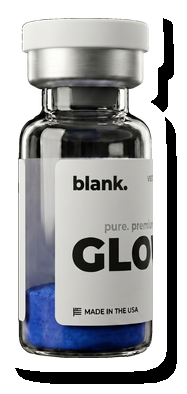
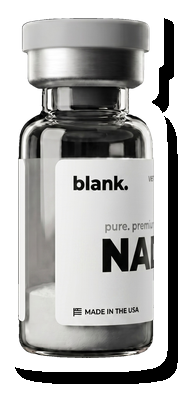
For researchers looking at bpc 157 alternatives, the starting point is usually a question about pathways, not substitutes. BPC-157 is one of the most studied synthetic peptides in regenerative research — a 15-amino-acid sequence derived from the gastric protective protein BPC, with published literature going back to the mid-1990s. When researchers expand their compound library, they’re typically looking for peptides that target adjacent or overlapping mechanisms, not identical ones.
This post covers what alternatives exist in the current research catalog and what each brings to a study design.
What “Alternatives” Means in a Research Context
In a commercial catalog, “alternatives” implies substitutes. In a research context, the more useful framing is comparison compounds or pathway complements — peptides that target related biological areas and are therefore worth evaluating alongside BPC-157 rather than in place of it.
BPC-157’s primary research areas include gastrointestinal mucosal protection, tendon and ligament repair mechanisms, angiogenesis modulation, and nitric oxide pathway interactions. Compounds studied in overlapping areas represent meaningful experimental comparison points. The question for study design is which adjacent compound isolates the variable you need to examine, or which combination provides a broader assay across the repair cascade.
TB-500: A Mechanistically Distinct Repair Peptide
Thymosin beta-4, marketed as TB-500, is a 43-amino-acid actin-binding protein fragment. Its primary research areas include wound healing, tissue repair, and anti-inflammatory mechanisms — endpoints that overlap with BPC-157’s published research areas but through different pathways.
TB-500 operates through upregulation of actin polymerization, promotion of cell migration, and modulation of inflammatory cytokine expression. BPC-157, by contrast, works through nitric oxide signaling, VEGF upregulation, and direct receptor interactions that differ from the actin-binding mechanism. Because the pathways are distinct, using both compounds in the same experimental design is not redundant — it allows researchers to assess whether effects on repair-related endpoints are pathway-specific or shared.
TB-500 has substantial published literature in musculoskeletal repair contexts — fibroblast activity, extracellular matrix remodeling, and vascular remodeling studies appear frequently — making it one of the more natural pairing compounds for studies that use BPC-157 as the primary compound.
Wolverine Blend: A Combined Research Format
The Wolverine blend combines BPC-157 and TB-500 in a single lyophilized vial. This format suits exploratory or screening studies where the goal is to assess the combined effect of both compounds before committing to a full factorial design that varies each peptide independently.
The practical advantage of a blend vial is consistency. The ratio of components is fixed by the manufacturing batch, which removes the preparation variability that can occur when researchers manually combine two separate stock solutions before each application. For pilot studies, dose-finding screens, or early-stage in vitro work, that consistency simplifies the experimental setup.
Wolverine is a less flexible format when the protocol requires varying one peptide’s concentration independently of the other. If your study design calls for adjusting the BPC-157 concentration while holding TB-500 constant, or vice versa, separate vials are the appropriate choice. The blend format sacrifices that flexibility in exchange for preparation consistency.
Broader Catalog Considerations
Researchers working in regeneration and recovery research areas often evaluate a wider catalog depending on the specific pathway under investigation.
KPV, a tripeptide derived from alpha-MSH, targets anti-inflammatory pathways with a structurally simpler compound profile than BPC-157. Researchers prioritizing mechanistic simplicity, or who want a smaller-molecule comparison point for the same inflammatory endpoints, may use KPV as a contrast compound in their study design.
GHK-Cu appears frequently in skin and soft tissue repair research, with published literature focused on copper-dependent collagen synthesis, wound closure, and anti-inflammatory mechanisms. It provides a structurally and mechanistically distinct reference point from both BPC-157 and TB-500, useful in study designs that need to map the space of repair-relevant peptides across different mechanistic classes.
Reconstitution and Handling
BPC-157 and TB-500 are both lyophilized peptides. For in vitro use, reconstitution in bacteriostatic water is standard: 1 mL of bacteriostatic water per 10 mg of peptide yields a 10 mg/mL stock solution, and total reconstitution volume should not exceed 3 mL per vial.
Store lyophilized peptides at -20°C for standard storage or -80°C for long-term preservation. Reconstituted solutions should be kept refrigerated and used within the timeframe recommended for the specific compound.
Purity for BPC-157, TB-500, and the Wolverine blend is >99%, verified by HPLC with third-party confirmation through Freedom Diagnostics and Horizon Analytical. Material is synthesized in our cGMP labs in the USA. Bacterial endotoxin testing results are included with the COA as a standard document for all catalog compounds. Processing time for any order is within 1 business day.
FAQ
Is TB-500 a direct substitute for BPC-157 in research?
No. The two peptides share some overlapping endpoints in published literature — particularly around tissue repair and angiogenesis — but their mechanisms are distinct. TB-500 is an actin-binding peptide; BPC-157 works through nitric oxide signaling and VEGF pathways. In most study designs, using one as a substitute for the other would require restructuring the protocol around the different mechanism. They’re more useful as complements in a multi-compound design than as interchangeable alternatives.
What research areas commonly use BPC-157 and TB-500 together?
Musculoskeletal repair research is the most common context. Both compounds have published data on fibroblast activity, extracellular matrix remodeling, and angiogenesis, and combining them allows researchers to assess whether effects are compound-specific or generalizable across the repair pathway. Angiogenesis models are another frequent co-study context, where each compound’s contribution to vascular remodeling can be assessed independently or combined.
Why does BPC-157 have more published literature than most comparable peptides?
BPC-157’s research history extends to 1990s gastroenterology studies focused on gastric mucosal protection — a clinical research context that predates the compound’s entry into the broader research peptide market. That early publication base expanded into musculoskeletal, neurological, and angiogenesis research over subsequent decades. TB-500 has substantial published literature as well, but its commercial research supply chain developed later, which accounts for the volume difference in published study count.
All products discussed are for laboratory research use only and are not for human or veterinary use.