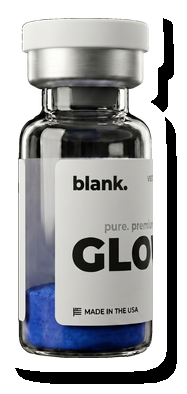
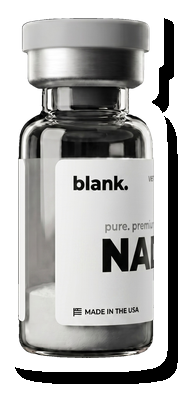
When researchers are designing tissue-repair or inflammation studies, TB-500 is often a natural starting point. But several other compounds in the catalog target overlapping pathways, and knowing which tb 500 alternatives exist, and what each brings to a study design, helps narrow the choice before ordering.
This post covers the main options, their mechanistic differences, and the research contexts where each fits best.
What Makes TB-500 Specific
TB-500 is a synthetic peptide corresponding to the actin-binding region of Thymosin Beta-4. The active sequence (Ac-LKKTETQ) is associated with cell migration, actin sequestration, and tissue remodeling in preclinical models. Molecular weight sits at approximately 5,963 Da.
Storage: lyophilized powder at -20°C long-term, with reconstituted solutions stable at 4°C for up to four weeks. The compound’s mechanistic focus — targeting the G-actin/F-actin axis rather than systemic immune or hormonal pathways — is both its appeal and the reason researchers sometimes want a comparison compound alongside it. A single-variable study benefits from a parallel arm running a distinct peptide with overlapping endpoints but a different upstream mechanism.
Reconstitute with 1 mL of bacteriostatic water per 5 mg for a standard working stock. Store reconstituted material at 4°C and avoid freeze-thaw cycles, which degrade peptide integrity over repeated exposures.
BPC-157: The Closest Parallel in the Catalog
BPC-157 is the peptide researchers most often examine alongside or compare against TB-500. At approximately 1,419 Da and 15 amino acids (the stable gastric pentadecapeptide sequence), it is considerably smaller and covers a distinct but overlapping research territory: musculoskeletal healing, GI-tract mucosal repair, and inflammation modulation through nitric oxide signaling and VEGFR2 upregulation.
The two compounds target different upstream mechanisms. TB-500 acts through actin sequestration and cell migration pathways; BPC-157 appears to modulate nitric oxide synthase activity and growth factor receptor signaling. Studies that run both in parallel can separate these pathway effects from composite outcomes, which is valuable in preclinical models where the distinction matters for mechanistic interpretation.
BPC-157 For Sale is available as a standalone 5mg vial, purity >99% confirmed by HPLC and mass spectrometry through Freedom Diagnostics and Horizon Analytical. Orders process within 1 business day from our US facility.
The Wolverine Blend: Both Compounds in One Vial
Some research protocols want both compounds present without managing two separate reconstitutions. The Wolverine blend consolidates BPC-157 and TB-500 into a single formulation, which removes variability introduced by preparing two vials independently and ensures consistent compound ratios across all experimental arms.
The blend fits best when a study is working on composite recovery or tissue-repair endpoints where isolating either peptide’s individual contribution is secondary to the combined outcome. Acute injury models in small animals frequently fall into this category. What the blend does not offer is dosing independence between the two compounds — if a study design requires adjusting one while holding the other constant, separate vials are the right choice.
The Wolverine blend carries the same >99% purity standard as the individual peptides, with bacterial endotoxin testing confirmed through Freedom Diagnostics and Horizon Analytical. Produced in our cGMP US facility.
Choosing TB-500 Alone
When a study needs to isolate Thymosin Beta-4 pathway activity specifically — actin-regulation comparisons, cardiac tissue remodeling, or neural repair endpoints where no BPC-157 signal should be present — TB-500 as a single-agent vial is the clear choice. There is no functional substitute for clean single-agent data in designs that need to attribute effects mechanistically.
Purity: >99% by HPLC, with mass spectrometry confirmation and bacterial endotoxin testing from Freedom Diagnostics and Horizon Analytical. Full COA documentation is available on request.
The Regeneration and Recovery research cluster includes TB-500, BPC-157, the Wolverine blend, and related compounds for researchers mapping a full study panel across tissue-repair endpoints.
Other Compounds in the Space
Beyond BPC-157 and the Wolverine blend, KPV (the tripeptide Lys-Pro-Val, derived from the C-terminal of alpha-MSH) appears in inflammation research for its anti-inflammatory properties. The mechanism differs substantially from TB-500’s actin-sequestration pathway — KPV operates through NF-κB suppression and cytokine modulation rather than structural repair signaling. It is a useful comparison compound in studies contrasting tripeptide anti-inflammatory activity against larger structural repair agents, not a functional substitute for TB-500.
Thymosin Alpha-1 is sometimes grouped with TB-500 under the “thymosin family” label in general discussions, but the research overlap is essentially zero. Thymosin Alpha-1’s primary context is immune activation and T-cell function, not tissue repair or cell migration. The shared nomenclature causes more confusion than it should; researchers designing tissue-repair studies should not treat them as interchangeable.
FAQ
What distinguishes TB-500 from BPC-157 in tissue-repair research?
TB-500 acts through the actin-binding domain of Thymosin Beta-4, primarily affecting cell migration and actin polymerization. BPC-157 works through nitric oxide signaling and growth factor receptor upregulation, particularly VEGFR2. Both appear in tissue-repair models, but they target different upstream mechanisms — which is why study designs often include both rather than treating them as direct substitutes.
How does the Wolverine blend compare to sourcing TB-500 and BPC-157 separately?
The Wolverine blend provides both compounds pre-formulated in one vial, reducing preparation variability in studies that do not need to isolate either peptide’s effect independently. Sourcing separately makes sense when the study design requires independent dosing control or when comparing the two compounds against a common endpoint to distinguish mechanism from outcome.
What purity specification should researchers look for when sourcing tb 500 alternatives?
Research-grade TB-500 and its common companion compounds should carry >99% purity by HPLC as a baseline. Certificates of analysis should also include mass spectrometry confirmation of molecular identity and bacterial endotoxin testing from a named independent lab. In-house testing without external verification is a meaningful gap worth noting before committing to a supplier.
All products discussed are for laboratory research use only and are not for human or veterinary use.