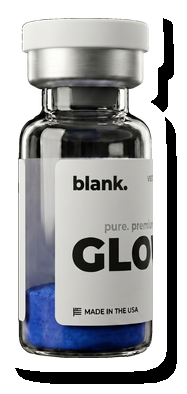
Researchers sourcing GLP-1 receptor agonists for metabolic or glucose-regulation studies will encounter several vial size options in the catalog. The semaglutide 10mg format is the largest commonly available unit and the preferred choice for extended protocols or multi-arm study designs where a single vial needs to cover multiple experimental sessions without a mid-study reorder.
This post covers the full specification profile, sizing considerations, handling requirements, and documentation to expect from a research-grade 10mg semaglutide vial.
Molecular Profile
Semaglutide is a 31-amino-acid GLP-1 analog engineered for research-level stability. Two structural modifications distinguish it from native GLP-1: an aminoisobutyric acid (Aib8) substitution at position 8, which blocks DPP-4 cleavage and prevents rapid degradation, and a C18 fatty diacid chain attached to lysine at position 26 via a hydrophilic two-unit mini-PEG spacer. These changes extend half-life in animal models substantially compared to unmodified GLP-1.
Molecular formula: C₁₈₇H₂₉₁N₄₅O₅₉
Molecular weight: approximately 4,113.58 Da
Sequence length: 31 amino acids
The compound is supplied as a lyophilized white powder. Lyophilization removes water under vacuum while preserving the peptide’s structural integrity, which provides meaningful shelf life and shipping stability compared to liquid formats.
Sizing: When the 10mg Vial Makes Sense
A semaglutide 10mg vial provides twice the compound mass of the 5mg format. For a single-endpoint study with a short timeline, the 5mg vial is usually sufficient and involves less compound committed to a single protocol run. The 10mg format becomes the better choice in several situations:
- Multiple parallel experimental arms need to draw from the same production batch, so that lot-to-lot variability cannot introduce a confound between groups
- The study timeline is extended, requiring the same compound across several weeks of experimental sessions
- The research design involves a dose-ranging component where different concentration dilutions must be prepared from a common stock
For researchers working across the metabolic peptide cluster, tirzepatide (dual GLP-1/GIP receptor agonist) and retatrutide (triple agonist targeting GLP-1, GIP, and glucagon receptors) are available in the same catalog. Studies comparing mechanism-of-action differences between GLP-1 class analogs benefit from sourcing all compounds from a single supplier to standardize QC documentation across the comparison.
Storage, Reconstitution, and Handling
Storage before reconstitution: Lyophilized semaglutide 10mg vials should be kept at -20°C. At this temperature, the peptide retains stability through the labeled shelf life. Room-temperature storage over extended periods accelerates degradation. Transport the vial from freezer to bench in a cooler or insulated sleeve if ambient temperature is high.
Reconstitution: For research use, add 1 mL of bacteriostatic water per 10 mg of semaglutide. This yields a 10mg/mL working stock. Research dilutions to study-specific concentrations and volumes are prepared from this stock according to individual protocol requirements.
Inject the bacteriostatic water gently against the inner wall of the vial rather than directly onto the lyophilized cake. Swirl slowly to dissolve — avoid shaking or vortexing, which can introduce air bubbles and mechanically stress the peptide. The powder should dissolve fully into a clear colorless solution; any cloudiness or visible particulates after gentle mixing warrants further inspection before use.
Bacteriostatic water extends reconstituted stability relative to sterile water by inhibiting microbial growth. It is available separately in the catalog.
Storage after reconstitution: Keep at 4°C and use within four weeks. Avoid repeated freeze-thaw cycles of reconstituted material — each cycle creates mechanical stress on the peptide structure and increases the risk of aggregation or fragmentation.
COA and Quality Documentation
Every semaglutide 10mg vial from our cGMP US facility ships with purity verified at >99% by HPLC. Every batch is tested against a reference standard prior to release, and the HPLC trace is included in the certificate of analysis — not just a percentage figure.
Mass spectrometry confirms molecular identity: the measured mass should correspond to the theoretical molecular weight of 4,113.58 Da, with semaglutide appearing as the primary detected species rather than a secondary or background peak. Any significant secondary peaks warrant investigation before the batch enters a study.
Bacterial endotoxin testing is performed by Freedom Diagnostics and Horizon Analytical. Endotoxin contamination can occur during synthesis or handling and is undetectable by HPLC or mass spectrometry alone — it requires a dedicated LAL assay. Independent lab sign-off on bacterial endotoxin testing results means the result cannot be adjusted to clear a vendor’s internal release threshold.
Certificates of analysis are available on request. Any supplier who cannot provide a downloadable COA that includes third-party endotoxin data alongside HPLC purity and MS identity should prompt careful evaluation before an order is placed.
Orders process within 1 business day from our US facility.
FAQ
How does the 10mg vial compare to the 5mg format for study planning?
The 10mg vial provides more compound from a single lot, which is valuable for multi-arm studies, extended timelines, or parallel experiments where batch consistency across groups matters. The 5mg format is practical for shorter single-arm protocols or researchers new to a compound who want a lower-commitment entry point. Once a protocol is established and timelines are known, the 10mg unit often reduces reorder frequency and ensures lot continuity.
What purity and documentation should a 10mg semaglutide vial carry?
Minimum: >99% purity by HPLC with the actual trace included, mass spectrometry identity confirmation of the correct molecular weight, and bacterial endotoxin testing from a named independent third-party lab reporting results in EU/mg. Vague claims (“high purity,” “pharmaceutical grade,” or “tested in-house” without a lab name) are insufficient for serious research use and should be treated as incomplete documentation.
How is semaglutide 10mg handled before and after reconstitution?
Lyophilized material stores at -20°C in the sealed vial. After reconstitution with 1 mL bacteriostatic water per 10mg, store at 4°C and use within four weeks. Avoid freeze-thaw cycles of the reconstituted solution. Prepare dilutions from the 10mg/mL working stock according to the concentration and volume requirements of the specific study protocol.
All products discussed are for laboratory research use only and are not for human or veterinary use.