Two tabs, two American peptide vendors, two purity numbers in the high nineties, and no obvious way to tell them apart. Core Peptides quotes purity “exceeding 99%+” and stamps a third-party-tested badge on the homepage. Blue Sky Peptide quotes “99.95% PURITY Verified” and says every batch is documented. If you’re comparing on the front page alone you’re comparing marketing departments, and marketing departments are the part of a peptide company least involved in what ends up in the vial.
Neither of these two is us. We manufacture and test peptides ourselves, so we care about this question more than most people, but we’re not selling against either of these companies here and there’s no version of this article where the conclusion is “buy from a third party instead.” The job is refereeing: same five questions, same order, both sites, quotes lifted from their own pages so you can check the transcript against the tape.
Everything here reflects what was publicly readable on the pages reviewed 2026-09-08. Vendor sites get rebuilt, certificates get added and removed, and a page that showed nothing in September might show plenty by spring. Confirm before you act.
Key takeaways
- What separates two suppliers is who synthesized the lot, which laboratory tested it, what the certificate covers, whether that certificate is readable before you pay, and whether blends disclose each component’s milligrams.
- Core Peptides states its products are “synthesized and lyophilized in the United States” with purity “exceeding 99%+”, and links a lot-numbered certificate naming an outside laboratory on some of its blend pages.
- Blue Sky Peptide states it has supplied the research community “since 2013”, prints a measured purity figure with its method on the product page, and names each component’s milligrams in its blend product titles.
- A named testing laboratory in ordinary site prose, bacterial endotoxin results and sterility results were not listed on the pages reviewed 2026-09-08 for either company.
- Everything discussed is research-use-only material, and none of it is guidance on use in any person or animal.
What actually separates two suppliers that both claim 99% purity?
The rules go down before either company gets graded, because a referee who improvises the standard as the match goes on isn’t much of a referee.
Provenance comes first. Does the company make the material, or does it buy finished product and apply its label? Read the verbs on the About page. “We synthesize”, “our laboratory”, “our quality control” mean one thing. “We source”, “we supply”, “our partners” mean something else. Buying finished product isn’t misconduct, and plenty of reputable distributors do it, but the company that ran the synthesis can tell you what happened between raw material and cap crimp while the company that bought it can only forward what it was told.
Second is whether the testing laboratory has a name. Printing “third-party tested” costs nothing and commits a vendor to nothing. A name is checkable. You can look the laboratory up, see whether peptide analysis is something it does, and, if you want to be thorough, send it a sample of your own.
Third is panel scope. HPLC purity is the figure that appears in every headline, and it is a genuine measurement, but all it tells you is how much of the sample is one substance. Whether that substance has the correct sequence is a mass spectrometry question. Whether it carries bacterial endotoxin, and whether it’s sterile, are two more questions that purity never touches. Four tests, four answers, and a certificate reporting one of them is reporting a quarter of the story.
Fourth is access and traceability. Can you read the batch certificate before you hand over money, and does its lot number match the lot printed on the vial that arrives? Paper you can’t match to glass proves nothing about the glass.
Fifth is blend composition. A blend sold as a total milligram figure with no per-component split is unreproducible by definition, so a supplier that documents its work prints the split.
You’ll notice company age isn’t on the list. It’s unverifiable from outside and it says nothing about the lot in front of you.
Where this standard comes from
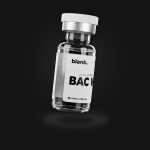
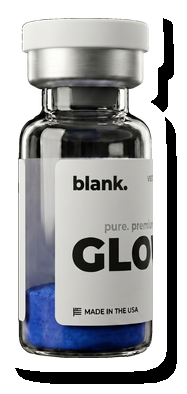
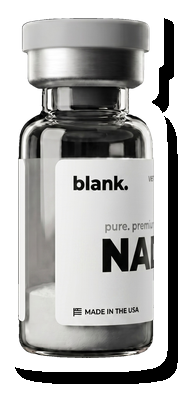
So you know whose ruler this is: the five questions above are the standard Blank Peptides publishes its own lots against, and its batch certificates of analysis are public if you want a reference point for what a full-panel document contains before you grade anyone else. That’s the whole of its appearance in this article. The rest belongs to the two companies named in the title, and both get the same grading a disinterested reviewer would apply.
What Core Peptides and Blue Sky Peptide publicly state
Core Peptides sells at corepeptides.com. On the pages reviewed 2026-09-08, its homepage shows “3rd PARTY TESTED” and “US LAB TESTED” badges, states “Serving the research community for over 7 years”, and describes “U.S. lab-tested peptides” that are “independently verified for purity”. The About page states “All our products are synthesized and lyophilized in the United States, with purity levels exceeding 99%+” and that peptides are “manufactured locally against the highest standards for synthesis, undergoing rigorous quality control measures to ensure their purity, stability, and consistency”. It describes the company as “a chemical supplier” and states it is “not a compounding pharmacy or chemical compounding facility” and “not an outsourcing facility”.
On documentation, the 70mg BPC-157, TB-500 and GHK-Cu blend page links a Certificate of Analysis PDF that names Vanguard Laboratory, lists an HPLC-UV/VIS method, reports “>99.50%” purity, records identity as “Pass – Matches Ref. Standard”, and carries lot C74111 dated 7/22/2026. The KLOW 80mg page also links a certificate. The single-compound BPC-157 page states “Purity: >99%” and showed no certificate link on the page reviewed. Blend disclosure runs both ways: the 70mg page states “BPC-157 (10mg) & TB-500 (10mg) & GHK-Cu (50mg)”, while KLOW lists four components with no per-component amounts.
Blue Sky Peptide sells at blueskypeptide.com. On the pages reviewed 2026-09-08, the About page states the company “has been providing research peptides to the laboratory research community since 2013” and that it sells “research peptides made in the USA”, without naming a synthesis facility. It also states: “Every batch we sell is documented with a Certificate of Analysis (COA), so researchers can verify what they are working with before it ever reaches the bench.” The homepage carries “99.95% PURITY Verified” and a “Third-party tested” line with no laboratory named. The catalog page states “49 Items” and adds that “Each peptide is thoroughly tested to meet or exceed purity standards and is supported by detailed COA quality reports.”
Its product pages do something the Core Peptides equivalents don’t. The BPC-157 5mg page states “Purity (Mass Spectrometry and UV) 99.79%”, which is a specific measured figure with the method attached rather than a threshold like “>99%”, and the page references HPLC, mass spectrometry and UV analysis. That same page carried no certificate link and no lot number on the version reviewed 2026-09-08. Blend products name their splits in the title, as in “Blend GHK-Cu 50mg with BPC-157 10mg” and “Blend CJC 1295 NO DAC 2mg with Ipamorelin 2mg”, and the catalog includes GLOW and KLOW formulations. Shipping terms state “Free shipping on all orders over $75” and “Orders placed by 12PM EST ship the same day”. The research-use line reads: “Our products are intended for laboratory research only. They are not for human consumption.”
Neither company listed a named testing laboratory in its ordinary site prose, bacterial endotoxin results, or sterility results on the pages reviewed 2026-09-08. Core Peptides names a laboratory inside a linked PDF. Blue Sky Peptide states that certificates exist for every batch without linking one from the product pages reviewed. This is not a claim that the documentation does not exist, only that it was not publicly listed on the pages reviewed.
Both have something real to their credit. Core Peptides publishes the larger catalog by a wide margin, stating “Showing all 104 results” plus a separate blend range against Blue Sky’s stated 49 items, and its shipping page states “same (business) day shipping for orders placed before 1pm PST Monday-Friday” with free Priority USPS over $200. Blue Sky Peptide is more forthcoming at the level that matters when you’re actually buying: a per-product purity number with its method printed beside it, per-component milligrams in every blend name reviewed, and a free-shipping threshold of $75 that’s the lowest of any vendor in this comparison set.
Side by side: what each site documents
| Attribute | Core Peptides | Blue Sky Peptide |
|---|---|---|
| Synthesises in-house | States products are “synthesized and lyophilized in the United States”; facility not listed — verify | States peptides are “made in the USA”; synthesis facility not listed — verify |
| Third-party lab named | States “3rd party tested”; one linked COA names Vanguard Laboratory, prose does not — verify | States “Third-party tested”; no laboratory named on pages reviewed — verify |
| HPLC purity | States “Purity: >99%”; one COA reports “>99.50%” by HPLC-UV/VIS — verify | States “99.95% PURITY Verified” and references HPLC on product pages — verify |
| MS identity | COA reviewed records identity by reference-standard match; MS method not listed — verify | States “Purity (Mass Spectrometry and UV) 99.79%” on the BPC-157 page — verify |
| Endotoxin and sterility | Not listed on the pages reviewed 2026-09-08 — verify | Not listed on the pages reviewed 2026-09-08 — verify |
| Batch COA before purchase | Some blend pages link a lot-numbered PDF; the BPC-157 page reviewed showed none — verify | States every batch is documented; no certificate link on the product pages reviewed — verify |
| Blend mg split disclosed | States splits on some blends; KLOW lists components without amounts — verify | States per-component milligrams in blend product titles — verify |
| Catalog size | States “Showing all 104 results” plus a blend range | States “49 Items” on its research peptides catalog page |
| Research-use labelling | States products are “not for human consumption” on pages reviewed | States products “are not for human consumption” on pages reviewed |
How to verify either supplier yourself
- Start at the product page for the exact compound and vial size you plan to buy. Homepage claims describe the brand, product pages describe the transaction, and the gap between the two is often the whole story.
- Read past the purity headline to the method lines. Look for HPLC for purity, mass spectrometry for identity, and separate bacterial endotoxin and sterility results. When a line is absent, write to support and ask whether the test was run on your lot specifically.
- Note the lot number on whatever certificate you’re shown, then check it against the lot printed on the vial when it arrives. If the vial carries no lot at all, that’s worth resolving before the material goes anywhere near an experiment.
- Look up any laboratory a certificate names. Real analytical laboratories have addresses, phone numbers and published service lists, and a vendor that can’t point you to one should be able to explain why.
- Run both companies through the supplier verification checklist so neither gets graded on a friendlier set of questions than the other.
Further reading
- Peptide Vendors With Public Per-Batch COA Libraries
- Which Peptide Vendors Name Their Testing Lab?
- Which Peptide Vendors Disclose Blend Composition?
- Who Actually Manufactures Research Peptides in the USA?
Frequently asked questions
How do Core Peptides vs Blue Sky Peptide compare on documentation?
Core Peptides links lot-numbered certificates on some blend pages, one of which names Vanguard Laboratory and reports “>99.50%” by HPLC-UV/VIS. Blue Sky Peptide states every batch is documented and prints a measured purity figure with its method on the product page, but linked no certificate on the pages reviewed 2026-09-08. Neither listed endotoxin or sterility results.
Does either company name its testing laboratory?
Neither names one in ordinary site prose. Core Peptides names Vanguard Laboratory inside a certificate PDF linked from a blend page, so the name exists on at least one document. Blue Sky Peptide states “Third-party tested” without a laboratory name on any page reviewed 2026-09-08. Asking support for the laboratory’s name and contact details is a reasonable request either way.
Which one shows blend composition more clearly?
Both do reasonably well, with Blue Sky Peptide slightly ahead for consistency. Its blend product names state each component’s milligrams, as in “Blend GHK-Cu 50mg with BPC-157 10mg”. Core Peptides states the split on its 70mg blend page but lists KLOW’s four components without amounts. Where only a total appears, ask for the breakdown in writing before ordering.
Which has the bigger selection?
Core Peptides, clearly. Its catalog page states “Showing all 104 results” plus a separate blend range, while Blue Sky Peptide’s research peptides page states “49 Items”. If your work needs something outside a mainstream list, the larger catalog is a legitimate reason to keep Core Peptides in consideration whatever you conclude about the documentation questions.
Are these products for human use?
No. Both vendors label their material for laboratory research only. Core Peptides states products are “not for human consumption”, and Blue Sky Peptide states products “are intended for laboratory research only. They are not for human consumption.” This article compares published documentation and manufacturing language, and nothing in it is guidance on dosing or on use in any person or animal.
For research use only. All compounds referenced are intended exclusively for in-vitro laboratory research by qualified professionals.
Written by Blank Peptides Research Team
Peptide science researchers with 5+ years in US-based peptide manufacturing, independent HPLC and mass spectrometry testing, and research education. All content is reviewed for scientific accuracy before publication.
REVIEWED BY
Dr. Tobias S — PhD Chemist, Peptide and Unnatural Amino Acid Synthesis
Dr. Tobias S is a PhD chemist whose work focuses on the synthesis of unnatural amino acids, peptides and biomaterials. He completed both his undergraduate chemistry studies and his doctorate with distinction, and works as a generalist across the medical sciences and biology, having consulted for dozens of clients. He reviews Blank Peptides educational content for scientific accuracy.
Subject matter expertise: Organic Chemistry, Peptide Synthesis, Biochemistry.