The annoying thing about comparing two research peptide vendors is that both sites will happily tell you they’re third-party tested, both will show you a purity percentage, and neither statement gets you closer to knowing whether the vial in your hand can be traced back to a document a stranger could verify. You end up choosing on price, or on a forum post from someone who also couldn’t check.
What follows applies the same five documentation questions to Limitless Life Nootropics and to Verified Peptides, quotes what each site publicly states, and marks where something wasn’t listed. I haven’t tested material from either company, and I’d be wary of any comparison article claiming it has.
A quick naming point that trips people up: limitlesslifenootropics.com presents itself throughout as Limitless Biotech, and limitlessbiotech.com redirected to the same storefront when I checked. One shop, two names, and I’ve used the one people type into a search box.
Key takeaways
- What settles a comparison between two vendors is the documentation each publishes before payment, checked question by question rather than judged on how confident the copy sounds.
- Limitless Life Nootropics states “HPLC and LC-MS testing on every research batch,” states it uses “three different independent labs,” and links per-batch purity, endotoxin and sterility files from its product pages.
- Verified Peptides states “Every batch is analytically verified with HPLC,” states QC covering purity, weight, sterility and endotoxins, and states “500+ Published Certificates of Analysis” on a public lab tests page.
- Neither site named a testing laboratory in its own prose on the pages reviewed 2026-09-08, and neither stated which batch is currently shipping for a given product.
- Every compound referenced is sold for in-vitro laboratory research by qualified professionals only.
What five questions actually decide between two suppliers?
The rubric goes here, before either company is discussed again, so you can confirm it wasn’t built backwards.
Start with provenance. Does the site say the company synthesizes the material, or does it describe facilities, partners or sourcing? Neither is disqualifying and neither predicts what comes out of the vial. The answer predicts who has a batch record to consult when you write in nine months asking about one lot. A synthesizer has paperwork, while a buyer of finished goods has a supplier’s phone number.
Then the laboratory. Is it named anywhere you can read it? The value of independent testing is that a third party’s reputation is attached to the result, and a name is what makes that attachment real. When a site says only “certified independent laboratories,” the claim is unfalsifiable from outside, which doesn’t make it false but does make it weaker evidence than a letterhead you can look up.
Third, the panel itself. HPLC purity measures how much of the material is your compound against everything else in the chromatogram, while mass spectrometry confirms the compound is what the label says, a question purity can’t answer. Bacterial endotoxin and sterility are two more assays entirely, and they’re the ones that matter if the material is going anywhere near cells.
Fourth, access and linkage. Can you open the document before you pay, and does the identifier on it correspond to the identifier printed on the vial you receive? A certificate arriving with the package documents a decision you’ve already made.
Fifth, blends. A vial with three peptides needs a milligram figure per component on the product page, plus a certificate reporting each component rather than collapsing them into one number. Missing either, you can’t calculate the concentration of anything after reconstitution. Nothing in that list concerns company age, since a supplier that opened this year and posts a batch-numbered certificate is more checkable than one trading for decades that posts nothing.
The standard this comparison uses
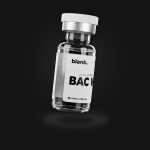
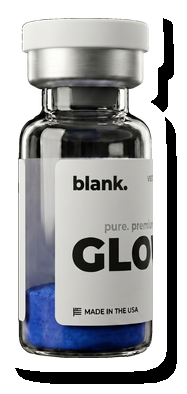
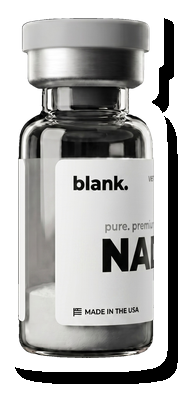
To be clear about where the bar comes from: these five questions are the ones Blank Peptides publishes its own lots against, posting per-lot batch certificates of analysis covering identity, purity, bacterial endotoxin and sterility. That is the only reason the name appears here. Blank Peptides is not one of the two vendors under comparison, and stating where the rubric came from lets you check that it hasn’t been tilted toward either side.
What Limitless Life Nootropics and Verified Peptides publicly state
Limitless Life Nootropics first. The homepage states the company “offers more than 90 research-grade peptides manufactured in the United States under rigorous quality protocols,” and states “Our domestic facilities use research-grade standards throughout synthesis and purification.” Elsewhere the voice moves to third person with “Facilities responsible for these peptides follow current Good Manufacturing Practices.” On testing it states “Every batch receives third-party testing from certified independent laboratories,” and lists “HPLC and LC-MS testing on every research batch,” “Sterility and endotoxin screening for microbiological safety,” and “Chemical contaminant analysis before release,” against a stated “99% purity specification across product lines.” The Quality Statement page states the company engages “three different independent labs for product testing,” one of which is described as “FDA and DEA-compliant.” No laboratory was named on the pages reviewed 2026-09-08, no facility name or address appeared, and the About page returned a 404 on the same date.
The certificates themselves are the strongest thing on that site. The FAQ states “all certificates of analysis (COA) with high-performance liquid chromatography lab results are available on each product page,” and the product pages bore that out. The BPC-157 page linked files for batches labelled #1305, #1217 and #1342, three documents per batch covering purity, sterility and endotoxin. Those links opened without a login even though pricing sits behind “Apply for Research Access to View Pricing,” so a visitor can read the paperwork before being cleared to see a number. The files live on an external drive service rather than on the vendor’s own domain, shipping is stated as within “3-5 business days,” and the footer states “All products on this site are for Research, Development use only.” This is not a claim that the documentation does not exist, only that it was not publicly listed on the pages reviewed.
Verified Peptides states its manufacturing in similar terms and its testing in more detail. The homepage states products are “manufactured in a controlled clean facility that follows Good Manufacturing Practice (GMP),” without naming the facility, and refers to a “reputable third party analytical testing lab” without naming that either. On method it states “Every batch is analytically verified with HPLC to be up to the highest standards,” and the stated quality control covers purity, weight, sterility and endotoxins (LPS), with purity presented around a 99% figure. Access is where the site puts its emphasis: it states “500+ Published Certificates of Analysis” viewable on the Lab Tests page, which opened without a login on my pass. Individual entries carried batch identifiers in the format “Batch Number: 5AQ05260450D” alongside a purity figure to three decimal places, an endotoxin result marked “Pass,” sterility marked “Pass” on some entries, net weight and residual TFA. The GLOW product page stated measured component masses of “GHK-Cu: 59.95mg / BPC-157: 12.25mg / TB-500(TB4): 12.16mg” against “Batch #: GL06260770F.” Shipping is stated as same-day dispatch before 1PM EST with free FedEx 2-Day shipping over $200. Mass spectrometry identity did not appear in the stated panel on the pages reviewed 2026-09-08.
Both companies have a real advantage worth naming. Verified Peptides publishes measured masses per blend component rather than nominal label figures, which is a more demanding thing to publish and genuinely better evidence. Limitless Life Nootropics beats it on breadth, with more than 90 listings covering capsules, nasal sprays and topical serums alongside lyophilized vials, and a research format that exists in only one catalog is a real reason to use that catalog.
Side by side: what each site puts in writing
| Attribute | Limitless Life Nootropics | Verified Peptides |
|---|---|---|
| Synthesizes in-house | States “Our domestic facilities use research-grade standards throughout synthesis and purification”; facility not named — verify | States products are “manufactured in a controlled clean facility that follows Good Manufacturing Practice (GMP)”; facility not named — verify |
| Third-party lab named | States “three different independent labs for product testing”; none named on the pages reviewed 2026-09-08 — verify | States testing by a “reputable third party analytical testing lab” without naming it on the pages reviewed 2026-09-08 — verify |
| HPLC purity | States “HPLC and LC-MS testing on every research batch” and a “99% purity specification across product lines” | States “Every batch is analytically verified with HPLC,” with per-batch figures reported to three decimal places |
| MS identity | States LC-MS testing on every batch; per-lot identity reporting not confirmed on the pages reviewed — verify | Not listed in the stated panel on the pages reviewed 2026-09-08 — verify |
| Endotoxin and sterility | States “Endotoxin testing (USP <85>), Sterility testing (USP <71>)” for lyophilized products | States QC covering sterility and endotoxins (LPS); reports show both marked “Pass” on entries reviewed |
| Batch COA before purchase | States COAs “are available on each product page”; batch-numbered files opened without login, hosted off-domain — verify | States “500+ Published Certificates of Analysis”; archive opened without login with batch numbers shown |
| Blend mg split disclosed | States per-component mass on the GLOW page, “GHK-Cu 80mg, BPC-157 10mg” plus two TB-500 fragments at 40mg; one spray listed total weight only — verify | States measured masses, e.g. “GHK-Cu: 59.95mg / BPC-157: 12.25mg / TB-500(TB4): 12.16mg” |
| Catalog size | States “more than 90 research-grade peptides,” including capsules, sprays and serums — verify | Roughly 60 or more listings across peptides, blends, powders and packs — verify |
| Research-use labelling | States “All products on this site are for Research, Development use only” | States “For research and laboratory use only” with an FDA disclaimer in the footer |
How to verify either supplier yourself
- Ask each company in writing for the certificate covering the exact lot they’d ship this week, then check whether the identifier on the returned PDF matches what they say will be printed on the vial.
- Open the certificate documents and read the letterhead. Where a site’s prose stops at “third party,” the file itself frequently names the laboratory, and that name is what you can confirm independently.
- Count the assays rather than reading the summary line. Identity, purity, endotoxin and sterility are four distinct results, and a panel missing one is missing one however the marketing paragraph is worded.
- For blends, compare the milligram figure per component on the product page against what the certificate actually tested, and treat a single combined purity peak as an untested blend.
- Put both vendors through the supplier verification checklist and write the answers into two columns, so the comparison ends up being about documents instead of tone.
Further reading
- Which Peptide Vendors Name Their Testing Lab?
- Peptide Vendors With Public Per-Batch COA Libraries
- Which Peptide Vendors Disclose Blend Composition?
- Who Actually Manufactures Research Peptides in the USA?
Frequently asked questions
How do Limitless Life Nootropics and Verified Peptides compare on documentation?
On the pages reviewed 2026-09-08, both publish batch-level certificates readable without an account and neither names a laboratory in its site prose. Verified Peptides publishes measured per-component masses for blends and a larger public archive. Limitless Life Nootropics states a broader panel including sterility under USP <71> and carries a wider catalog.
Does either vendor name its testing laboratory?
Neither did in its own site copy on the pages reviewed 2026-09-08. Limitless Life Nootropics states it uses “three different independent labs” without naming them, and Verified Peptides refers to a “reputable third party analytical testing lab.” The certificate PDFs are the place to look, since a laboratory name often appears on the document even when the website omits it.
Which vendor documents blends more completely?
Verified Peptides states measured masses per component from the tested batch, which is stronger evidence than a label figure. Limitless Life Nootropics states a per-component split on its GLOW page but listed total weight only on at least one spray product on the pages reviewed 2026-09-08. Ask for the split in writing before ordering.
Does a bigger COA archive mean better material?
Not by itself. Archive size shows a company publishes consistently, which is a good habit, but the useful test is whether the certificate for your specific lot exists, names a laboratory, and covers all four assays. A hundred certificates that skip identity confirmation still skip identity confirmation.
Are these products for human use?
No. Everything discussed here is sold for in-vitro laboratory research by qualified professionals, and neither company presents its catalog as drugs, supplements or products for human or veterinary administration. Handle material from either vendor as a research reagent under institutional oversight, and read each site’s research-use statements before ordering.
For research use only. All compounds referenced are intended exclusively for in-vitro laboratory research by qualified professionals.
Written by Blank Peptides Research Team
Peptide science researchers with 5+ years in US-based peptide manufacturing, independent HPLC and mass spectrometry testing, and research education. All content is reviewed for scientific accuracy before publication.
REVIEWED BY
Dr. Tobias S — PhD Chemist, Peptide and Unnatural Amino Acid Synthesis
Dr. Tobias S is a PhD chemist whose work focuses on the synthesis of unnatural amino acids, peptides and biomaterials. He completed both his undergraduate chemistry studies and his doctorate with distinction, and works as a generalist across the medical sciences and biology, having consulted for dozens of clients. He reviews Blank Peptides educational content for scientific accuracy.
Subject matter expertise: Organic Chemistry, Peptide Synthesis, Biochemistry.