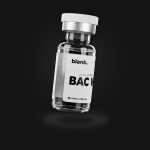
A supplier satisfaction guarantee is a contractual promise that ties measurable acceptance criteria, like purity thresholds or delivery windows, to specific remedies such as repair, replacement, or refund. It works best on high-value or mission-critical purchases and new supplier relationships, where verifiable documentation like a certificate of analysis (COA) and a clear RMA process turn a vague promise into something a buyer can actually enforce.
TL;DR:
- Guarantees should specify measurable criteria, such as a specific purity percentage verified by independent lab analysis, to be enforceable.
- Remedy hierarchies must include clear timelines for repair, replacement, or refund processes, with documented evidence requirements like COA comparisons.
- Suppliers should provide accessible, third-party verified COAs for each batch before order placement to prevent disputes and ensure transparency.
- Maintaining vendor satisfaction scores above 80% and tracking key KPIs like on-time delivery and claim resolution times helps assess guarantee effectiveness.
- A well-structured guarantee can reduce procurement friction and foster trust when contracts tie remedies to objective, verifiable standards rather than vague promises.
Table of Contents
- Common Types of Supplier Satisfaction Guarantees (With Real Examples)
- What the Guarantee Actually Covers, and What It Doesn’t
- The Business Case for Offering a Guarantee, and the Risk You’re Accepting
- How to Write a Supplier Satisfaction Guarantee That Actually Holds Up
- Measuring Whether the Guarantee Is Actually Working
- How Blank Peptides Puts a Satisfaction Guarantee Into Practice
- What Happens When a Guarantee Is Missing (and When It Works)
- Author Perspective: Where Guarantees Actually Break Down
- Request a COA Before Your Next Order
- Sources
- FAQ
Common Types of Supplier Satisfaction Guarantees (With Real Examples)
Most supplier guarantees fall into a handful of structures, and the right one depends on what’s actually being purchased. A commodity part needs different protection than a custom-manufactured compound with a six-month lead time.
Money-back or refund guarantees are the simplest version: if the product fails a defined test within a set window, usually 15 to 30 days, the buyer gets a full or partial refund. These work well for standardized goods but get risky fast when applied broadly to complex or perishable materials without tight conditions attached.
Performance or SLA-linked guarantees tie the remedy to a measurable metric instead of general dissatisfaction. A supplier might guarantee 98% on-time delivery or a purity threshold above 99%, with credits or replacement stock triggered automatically when the metric is missed. This structure protects both sides because the trigger is objective, not a subjective “I’m not happy” claim.
Trial, sample, or acceptance-period guarantees let buyers test a small batch before committing to a full order. A 30-day acceptance window with defined testing protocols gives the buyer time to run lab verification without holding the supplier hostage to unlimited return rights.
Lifetime or replacement guarantees suit components with long service lives, industrial fasteners, sensors, or anything where failure years down the line still traces back to a manufacturing defect. These carry more financial exposure and usually need a serial-number or lot-tracking system to stay enforceable.
Branded “happiness” pledges, common in consumer retail, get adapted for B2B by pairing the emotional promise with hard documentation. Instead of “we guarantee you’ll love it,” a business version reads more like: “We guarantee every batch meets stated purity specifications, verified by independent lab testing, or we replace it at no cost.”
The strongest programs usually combine two of these. A performance guarantee handles the day-to-day metrics, while a trial period covers the onboarding of a brand-new supplier relationship. Marketing-facing guarantee templates can help with plain language, but B2B versions need harder edges: specific test methods, specific timelines, specific evidence requirements.
- Refund or money-back guarantee tied to a testing window
- Performance/SLA guarantee tied to a delivery or quality metric
- Trial or acceptance-period guarantee for new suppliers
- Lifetime or extended replacement guarantee for critical components
- Branded pledge backed by documentation rather than sentiment
What the Guarantee Actually Covers, and What It Doesn’t
A guarantee that promises everything protects no one. The scope needs to name exactly what’s covered, what remedy applies, and what voids the claim entirely.
Scope should specify:
- Product specifications and tolerances (purity percentage, concentration, dimensional limits)
- Documentation requirements, including a COA for every batch or lot
- Delivery timing and packaging condition on arrival
- Support and technical response commitments
Remedies should follow a hierarchy, not a blank check. Repair or correction comes first when feasible, replacement comes second, and credit or refund comes last, reserved for cases where the first two aren’t practical. Each step needs its own timeline, for example, acknowledgment within 24 hours and a replacement shipment within 5 business days.
Exclusions matter as much as coverage. Buyer misuse, improper storage, third-party integration failures, and claims filed after the acceptance window closes should all be written out explicitly. Vague exclusion language is where most disputes start.
RMA requirements should specify the evidence a claim needs: photos of the product, a COA comparison against the original batch documentation, and independent lab results where purity or potency is disputed.
The Business Case for Offering a Guarantee, and the Risk You’re Accepting
A guarantee is a negotiation tool before it’s a service promise. Buyers move faster through procurement when the downside risk of a bad batch is already spelled out in the contract, which shortens the sales cycle and reduces the back-and-forth over indemnification language.
The upside shows up in retention. Research on supplier relationships finds that trust, contractual justice, and reliable payment terms predict supplier satisfaction, and that satisfaction in turn drives stronger supplier performance. A guarantee is one of the clearest ways to signal contractual justice: you’re putting a specific remedy in writing instead of asking the buyer to trust your intentions.
A guarantee only works if the underlying claim it makes is honest. Broken promises around support and delivery are among the most common causes of vendor dissatisfaction, which means an overpromised guarantee does more damage than none at all.
The risk side is real, though. Broad refund policies expose suppliers to false claims, and a satisfaction guarantee written without acceptance criteria becomes an argument generator rather than a trust builder. Weigh these before drafting:
- Exposure to returns on products that were used or stored incorrectly
- Administrative cost of processing and verifying every claim
- Regulatory limits on refunds or replacements in certain product categories
- Margin compression if remedy timelines require expedited shipping
A guarantee makes sense for critical parts, first-time suppliers, and high-dollar contracts. For low-stakes, low-margin commodity orders, tighter acceptance criteria upfront usually protects both sides better than a broad refund promise after the fact.
How to Write a Supplier Satisfaction Guarantee That Actually Holds Up
Most guarantees fail not because the intent was bad, but because the clause was written too loosely to enforce. Follow this sequence and you end up with contract language legal can actually sign off on.
- Define measurable acceptance criteria first. Tie every promise to something checkable: a COA threshold, a spec sheet tolerance, or a specific lab test method. “Satisfactory quality” is not a standard; “≥99% purity confirmed by third-party HPLC analysis” is.
- Set a remedy hierarchy with real timelines. Decide upfront whether repair, replacement, or refund comes first, and attach a business-day deadline to each stage of the response.
- Draft the RMA workflow before you need it. List exactly what evidence a buyer submits, who reviews it, and how fast a decision gets communicated.
- Write your exclusions in plain language. Buyer mishandling, storage outside specified conditions, and use outside stated parameters should all be named, not implied.
- Add audit and testing rights. Let the buyer request independent verification of a disputed batch, which protects your credibility more than it exposes your process.
- Route the draft through procurement, quality, legal, and sales before it ships. A guarantee written by one department and never checked by the others is where most enforcement problems start.
Pro Tip: Write the exclusion list before you write the coverage list. It’s easier to spot gaps in what you’re promising when you already know what you refuse to cover.
Measuring Whether the Guarantee Is Actually Working
A guarantee without a measurement system is just a promise you hope nobody tests. The KPIs worth tracking are the ones that show up before a formal complaint does.
Track vendor satisfaction score, on-time delivery rate, first-pass yield, RMAs per 1,000 units shipped, and average claim resolution time. Each one flags a different kind of failure, quality issues show up in first-pass yield, communication issues show up in resolution time.
A supplier scorecard weights these categories, typically quality, delivery, responsiveness, and compliance, into a single composite score. Industry KPI guidance suggests aiming for vendor satisfaction scores above 80%, with scores in the 60% to 79% range signaling room for improvement and anything under 60% requiring urgent corrective action. Some manufacturers apply the same 80% threshold at the category level, triggering a formal corrective action plan whenever a supplier’s quality or delivery rating drops below it.
| Category | What It Measures | Corrective Trigger |
|---|---|---|
| Quality | First-pass yield, COA accuracy | Below 80% |
| Delivery | On-time shipment rate | Below 80% |
| Responsiveness | Claim resolution time | Missed SLA |
| Compliance | Documentation completeness | Any gap |
Guarantee outcomes should feed directly into quarterly supplier reviews. A supplier that consistently triggers remedy claims needs a corrective action plan before contract renewal, not after a third failure.
How Blank Peptides Puts a Satisfaction Guarantee Into Practice
Blankpeptides builds its guarantee around the same controls this playbook recommends: acceptance criteria that are checkable, documentation that’s available before a dispute ever starts.
- Manufacturing in the same facilities used for batch production, which keeps traceability tight from synthesis to shipment
- Third-party verification of purity on every batch, not a sampling of batches
- A certificate of analysis (COA) available for every product, so procurement can validate specifications during onboarding rather than after a problem surfaces
- A documented claims process for handling disputed results, including comparison against original batch testing
Procurement teams evaluating a new peptide supplier should request the COA before placing a first order, not after receiving product. Cross-check the stated purity against the COA’s own test method and date, and confirm the batch number on the shipment matches the batch number on the certificate. That single step catches the majority of documentation mismatches before they ever become a claim.
What Happens When a Guarantee Is Missing (and When It Works)
The absence of a satisfaction guarantee shows up fastest in disputed shipments. A lab that receives a peptide compound without a matching COA has no fast way to confirm the batch meets spec, so the dispute drags into weeks of back-and-forth testing, exactly the friction a guarantee is designed to eliminate.
Contrast that with a supplier relationship where the guarantee is structured around measurable acceptance criteria. A defense contractor buying custom fasteners, for instance, ties its supplier guarantee to a documented corrective action process, often modeled on formal frameworks like SCAR or 8D, requiring the supplier to identify root cause, not just replace the defective part. That structure turns a single failure into a process improvement instead of a repeated cost.

In research supply chains specifically, the pattern is similar. A lab that switches peptide vendors after a bad batch usually cites the same two reasons: no independent verification of purity, and no clear path to resolution when a batch failed testing. Suppliers offering contractual remedies tied to defined obligations, rather than informal “let us know if there’s a problem” language, tend to keep those relationships longer. The guarantee itself isn’t what retains the customer. The fact that it’s specific enough to act on is.
Author Perspective: Where Guarantees Actually Break Down
Most guarantee disputes aren’t about bad products. They’re about vague language meeting a motivated claimant. A generous refund policy without evidence standards invites serial claims, so pair every remedy with proof requirements: photos, COA comparisons, lab results.
Repair or replacement should be the default for genuine quality failures. Reserve full refunds for cases where those options aren’t practical. Restocking fees on undamaged returns and a cap on claim frequency per account discourage abuse without punishing legitimate complaints.
The real fix isn’t a better refund clause. It’s fewer defects reaching the buyer in the first place, which means supplier audits and tighter selection criteria do more long-term work than any remedy hierarchy.
— Blank Research Team
Request a COA Before Your Next Order
The guarantee described here is built around independent verification that can be checked before placing an order, not after a batch shows up wrong. Products ship with a COA generated from third-party testing, so procurement teams can validate purity claims against defined acceptance criteria, without waiting on a dispute to confirm the numbers.
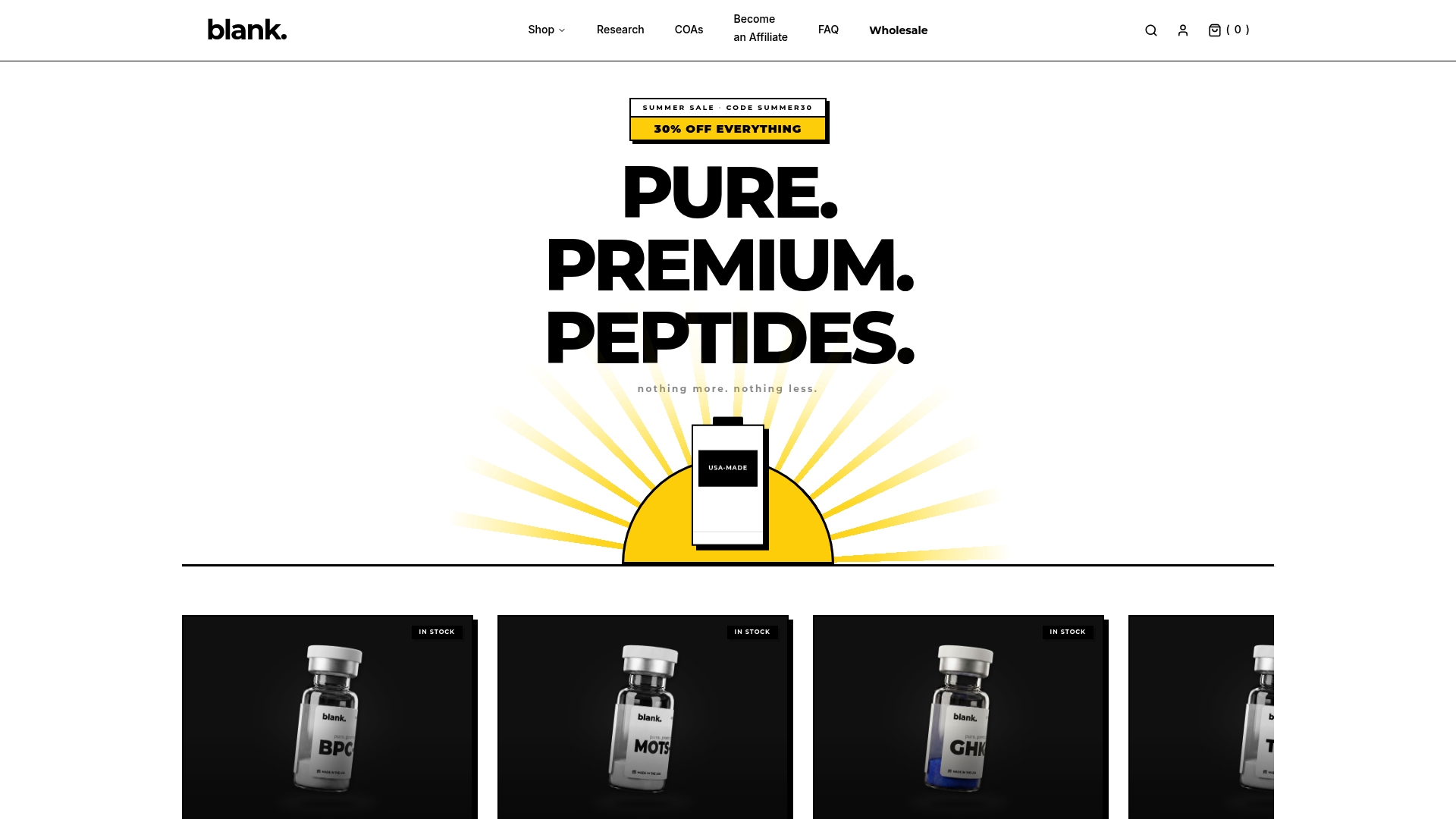
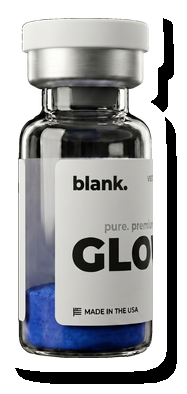
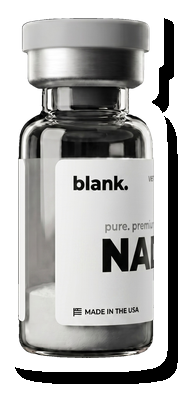
If you’re onboarding a new peptide supplier or auditing an existing one, start with a batch you can verify against spec. The KISSPEPTIN and SEMAX product pages both list current COA documentation, and the GLOW listing shows how batch traceability is presented for research buyers evaluating a first order. Request a sample batch alongside its COA, run your own acceptance testing, and compare the results against the certificate before scaling up volume.
Sources
- KLAS: Kept promises key for health IT vendor customer satisfaction | TechTarget
- What is Supplier Quality Management? Supplier Selection Criteria | ASQ
- Vendor Partnership Satisfaction – KPI Definition, Formula, & Benchmarks | KPI Depot
FAQ
What Is a Satisfaction Guarantee?
A satisfaction guarantee is a contractual commitment to meet defined quality, performance, or delivery standards, backed by a specific remedy, repair, replacement, or refund, if those standards aren’t met.
What Are Some Examples of a 100% Satisfaction Guarantee?
Common examples include a full refund if a product fails independent lab testing within 30 days, a free replacement for any batch that doesn’t match its COA, or a performance guarantee tied to on-time delivery rates.
What Does a 100% Satisfaction Guarantee Actually Promise?
It promises that if the product doesn’t meet the stated specification, the supplier will make it right at no added cost, but the promise only holds up when it’s tied to measurable, testable criteria rather than subjective satisfaction.
Is an 80% or 90% Vendor Satisfaction Score Good?
An 80% score is generally the industry benchmark for a healthy vendor relationship; scores between 60% and 79% signal room for improvement, and anything below 60% calls for corrective action.
Do Peptide Suppliers Offer a Satisfaction Guarantee?
Some do, typically structured around independent COA verification and a documented claims process rather than a blanket refund, which lets buyers confirm purity before disputing a batch.