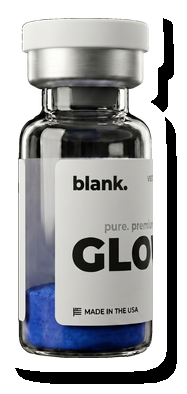

MOTS-C MOTS-c · Mitochondrial-Derived Peptide · 10mg



MOTS-c is a mitochondrial-derived peptide encoded within the 12S rRNA region. Researchers apply it in studies of mitochondrial signaling, AMPK activation, metabolic stress response, and cellular energetics.
Purity >99%Form Lyophilized PowderNo Endotoxins
Notify me when back in stock
Related Products



Peer-Reviewed Literature
Related Studies
Peer-Reviewed Literature
Related Studies
MOTS-c Is an Exercise-Induced Mitochondrial-Encoded Regulator of Age-Dependent Physical Decline and Muscle Homeostasis
Nature Communications
MOTS-c enhanced physical performance across the lifespan; in aged mice (equivalent to 65+ years), it doubled running capacity by regulating nuclear gene expression in skeletal muscle.
The Mitochondrial-Derived Peptide MOTS-c Promotes Metabolic Homeostasis and Reduces Obesity and Insulin Resistance
Cell Metabolism
Foundational study identifying MOTS-c as a novel mitochondrial-derived peptide that prevents age- and diet-induced insulin resistance through AMPK activation via folate cycle inhibition.
Mitochondrial-Encoded Peptide MOTS-c Prevents Pancreatic Islet Cell Senescence to Delay Diabetes
Experimental & Molecular Medicine
MOTS-c reduced senescence markers in aged pancreatic islets and improved glucose intolerance in diabetic mice. Circulating MOTS-c levels are lower in T2D patients versus healthy controls.
MOTS-c Is an Exercise-Induced Mitochondrial-Encoded Regulator of Age-Dependent Physical Decline and Muscle Homeostasis
Nature Communications
MOTS-c levels increase with exercise, and exogenous MOTS-c administration in aged mice improved physical capacity, grip strength, gait, and thermogenesis to levels approximating young controls.
MOTS-c Peptide Regulates Adipose Homeostasis to Prevent Ovariectomy-Induced Metabolic Dysfunction
Journal of Molecular Medicine
MOTS-c treatment prevented ovariectomy-induced obesity and insulin resistance by promoting brown adipose tissue activation, improving glucose tolerance, and reducing visceral fat accumulation.
The Mitochondrial-Derived Peptide MOTS-c Translocates to the Nucleus to Regulate Nuclear Gene Expression in Response to Metabolic Stress
Cell Metabolism
MOTS-c translocates to the nucleus under metabolic stress to directly regulate ARE-containing genes via AMPK-dependent chromatin remodeling — establishing a novel mito-nuclear communication pathway.
MOTS-C FAQ
Where is MOTS-c for sale online?
Blank Peptides supplies MOTS-c in 10mg vials, made in our cGMP labs in the USA. Each vial ships with a certificate of analysis matched to its lot, viewable before you order. We sell direct to researchers without a prescription requirement, and processing time is within 1 business day.
What is MOTS-c?
MOTS-c is a 16-amino-acid peptide encoded not in nuclear DNA but in the mitochondrial genome, one of a small group called mitochondrial-derived peptides. Published research examines AMPK activation, folate-methionine cycle interaction, and metabolic signalling in muscle tissue, largely in rodent models and cultured cells.
What purity is your MOTS-c peptide?
Greater than 99%. Our lab runs HPLC and mass spectrometry on every production lot, then an independent sample goes to Freedom Diagnostics or Horizon Analytical for confirmation, alongside bacterial endotoxin testing on the batch. The COA matches the lot number on your vial, so you are checking the actual material rather than a representative sample.
How do I reconstitute MOTS-c 10mg?
Add 1mL of bacteriostatic water for a 10mg/mL solution, which is our standard ratio. Aim the needle at the vial wall so the water runs down rather than hitting the cake directly, then rotate slowly until the solution is clear. Shaking introduces foam and shears peptide, so leave it alone and let it dissolve.
How should MOTS-c be stored?
Sealed lyophilized vials at -20C, dark and dry. Ambient temperatures during transit are not a problem for freeze-dried powder. Once you have added solvent, keep the vial refrigerated at 2 to 8C and use within a few weeks. Aliquot rather than repeatedly freezing and thawing if the protocol stretches out.
MOTS-c vs SS-31 for mitochondrial research?
Both sit in mitochondrial literature but reach it differently. MOTS-c is a peptide the mitochondrial genome actually encodes, studied through AMPK and metabolic signalling. SS-31 is a synthetic tetrapeptide studied for its interaction with cardiolipin in the inner membrane. Different targets, different assays, and some groups model them side by side.
How is MOTS-c packaged and shipped?
Plain outer packaging with no compound names, shipped from inside the USA, processing time within 1 business day. Tracking is emailed when the label prints. Vials travel padded against impact rather than temperature. If the glass arrives cracked or the cake looks shifted, send photos and we will replace it.
Can I buy MOTS-c without a prescription?
Yes, because it is a research chemical and not a medicine. MOTS-c has no FDA approval for any indication, is not a drug or supplement, and is not intended for human or veterinary use. Placing an order confirms the material will be used in laboratory research by someone qualified to handle it.