Research Disclaimer
This article reviews published scientific literature for educational purposes only. All compounds referenced are sold by Blank Peptides exclusively for in-vitro research and laboratory use. Nothing in this article constitutes medical advice, a treatment recommendation, or an endorsement of human use.
The gastrointestinal tract is the largest immune organ in the body and one of the most active sites of peptide signaling. Endogenous peptides regulate everything from mucosal barrier integrity to inflammatory cascades to epithelial cell turnover.
Three peptides dominate the published gut health literature: BPC-157, KPV, and Glutathione. Each operates through a distinct mechanism, and knowing where they overlap, and where they do not, matters for designing meaningful research protocols.
BPC-157: The Mucosal Repair Peptide
Body Protection Compound-157 is a 15-amino acid fragment derived from human gastric juice protein BPC. First isolated from gastric mucosal extracts in the early 1990s, the published literature on its GI effects is extensive, running to over 100 peer-reviewed studies across three decades.
The core finding across multiple animal models: BPC-157 accelerates mucosal healing. Published data in Journal of Physiology-Paris and Life Sciences documented enhanced healing across multiple injury types:
- Gastric ulcers
- Intestinal anastomoses
- Inflammatory bowel lesions
- NSAID-induced gastric damage
- Alcohol-induced mucosal injury
The mechanism involves upregulation of growth factor expression at wound sites, particularly VEGF, EGF, and nitric oxide synthase.
Key limitation: The overwhelming majority of BPC-157 data comes from animal models. The peptide has not completed Phase III human trials for any GI indication.
KPV: The Melanocortin Anti-Inflammatory
KPV is the C-terminal tripeptide fragment of alpha-MSH, just three amino acids (Lys-Pro-Val) that retain the parent hormone’s anti-inflammatory signaling without its melanogenic effects.
Mechanism of Action
The GI research on KPV centers on its interaction with NF-κB signaling, the master inflammatory transcription factor. Published data in Journal of Biological Chemistry demonstrated that KPV:
- Enters colonocytes directly
- Inhibits NF-κB nuclear translocation
- Reduces downstream expression of pro-inflammatory cytokines (IL-8, TNF-α)
Oral Delivery Breakthrough
The oral bioavailability angle is significant. Most peptides are degraded in the GI tract, but KPV’s small size (just three residues) and nanoparticle delivery preserved biological activity through the intestinal environment.
Glutathione: The Redox Foundation
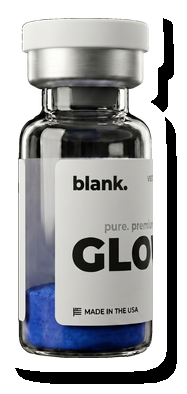
Glutathione (GSH) is the body’s most abundant endogenous antioxidant, present in virtually every cell. In the gut specifically, it is the primary defense against oxidative damage to the intestinal epithelium.
Published research in Free Radical Biology and Medicine and American Journal of Physiology established a bidirectional relationship:
- Inflammation depletes GSH, removing the oxidative stress buffer
- GSH depletion then amplifies inflammation, letting reactive oxygen species cascade
Published data in Gut journal demonstrated that restoring mucosal GSH levels reduced markers of oxidative stress and improved barrier function in experimental models.
How These Three Peptides Relate
BPC-157, KPV, and Glutathione appear together in gut research for a straightforward reason. Each covers a different stage of the same problem:
- Glutathione maintains the redox environment that protects mucosal cells from oxidative damage
- KPV suppresses the NF-κB-driven inflammatory cascade that causes tissue injury
- BPC-157 promotes repair of damaged tissue through growth factor upregulation and angiogenesis
Together they cover three phases in sequence: protection first, then inflammation control, then repair.
Current Research Gaps
The gut peptide field has several notable gaps in the published literature:
- BPC-157 lacks human clinical trial data despite extensive preclinical work
- KPV’s oral bioavailability without nanoparticle delivery systems remains poorly characterized
- Glutathione’s oral absorption is debated. Some researchers argue oral GSH is largely degraded before reaching target tissues, while others have published data showing meaningful increases with specific formulations
These are open questions, and open questions are where the work is. The mechanistic data is strong, and the clinical translation work has not caught up to it yet.
Browse These Compounds