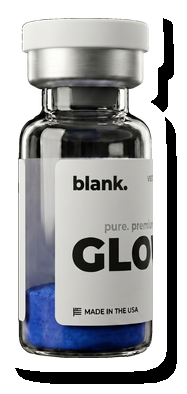
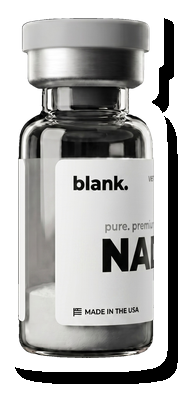
CJC-1295 No DAC in a 5mg vial is a common entry format for researchers building or scaling growth hormone axis protocols. The CJC-1295 No DAC 5mg vial supports protocols that need controlled administration across a moderate study duration without committing to the larger stock of a 10mg format. Getting the specs and handling right before a study starts saves vials and protects the compound’s integrity across time points.
Compound Specifications
CJC-1295 No DAC — also known as Modified GRF (1-29) — is a 29-amino acid synthetic peptide based on the first 29 residues of native growth hormone-releasing hormone (GHRH). Four amino acid substitutions increase resistance to DPP-IV cleavage and oxidative degradation compared to the native GRF sequence: Ala2 to aminoisobutyric acid (Aib), Asn8 to Gln, Gly15 to Ala, and Leu27 to Ile.
Molecular weight: 3367.9 g/mol for the free acid form. The substitution at Ala2 is the most mechanistically significant — DPP-IV rapidly cleaves native GRF 1-29 at that position, limiting its half-life in circulation to a matter of minutes. The Aib substitution eliminates the cleavage site, extending functional half-life to approximately 30 minutes in preclinical models. That window produces a GH pulse with a pulsatile profile rather than sustained baseline elevation.
Our CJC-1295 No DAC is synthesized to >99% purity, verified by HPLC and mass spectrometry at Freedom Diagnostics and Horizon Analytical. The certificate of analysis is available before purchase.
Vial Sizing: 5mg vs 10mg
The 5mg format suits shorter pilot studies, dose-ranging experiments, or research programs where CJC-1295 No DAC is one of several compounds on protocol and per-study compound consumption is modest. In rodent model work, individual administration volumes are small, and a 5mg vial can support a substantial number of administrations before the vial is exhausted.
Researchers who anticipate higher compound consumption across multiple study arms or longer study windows typically move to 10mg vials from the outset. More vials mean more reconstitution events, and each reconstitution introduces a potential variability point — same lot, same concentration, but minor technique variation can affect working solution accuracy across weeks. Fewer vials across a long study reduces that variability.
If the protocol pairs CJC-1295 No DAC with ipamorelin for combined GHRH-R and GHSR-1a stimulation, plan both compound quantities together. Ipamorelin and CJC-1295 No DAC have roughly matched half-lives at this potency level, which simplifies study arm timing — but the vials should be sized so both compounds are exhausted at roughly the same rate to avoid asymmetric reconstitution schedules.
Reconstitution Protocol
For a 5mg vial, add 0.5 mL of bacteriostatic water. The standard ratio is 1 mL of bacteriostatic water per 10 mg of peptide; for the 5mg format that halves to 0.5 mL, producing a 10 mg/mL stock concentration.
Use bacteriostatic water, not sterile water. Benzyl alcohol in bacteriostatic water inhibits bacterial growth after the vial has been entered, which matters because research vials are entered multiple times across a study. Sterile water provides no such protection.
Reconstitute gently by swirling rather than shaking. CJC-1295 No DAC has reasonable solubility at research concentrations, but vigorous agitation can introduce air bubbles that complicate accurate volume measurement. If the powder doesn’t dissolve immediately, let the vial sit at room temperature for a few minutes before swirling again.
Storage Requirements
The lyophilized powder stores at −20°C, away from moisture and light. These conditions maintain compound integrity through the period documented by the COA testing date.
After reconstitution, keep the vial at 4°C. Do not freeze the reconstituted solution — freeze-thaw cycling degrades peptide structure in solution and is a common cause of potency loss between study time points. If a 5mg vial needs to span multiple study sessions, aliquoting the reconstituted solution into single-use working volumes before the first entry reduces cumulative vial disturbance and keeps the primary stock undisturbed between uses.
COA Verification Before Ordering
Check three things: HPLC purity at >99%, mass spectrometry identity confirmation at the expected molecular weight, and a bacterial endotoxin testing result. Endotoxin contamination in a GH axis research compound would confound readouts through independent immune activation, particularly in any in vivo model where inflammatory state is a variable. The COA should give you a numeric result, not just a pass/fail.
For researchers building a fuller picture of GH secretion patterns, CJC-1295 DAC — the long-acting albumin-binding form — allows parallel comparison of sustained versus pulsatile GH secretion in separate study arms. The two are chemically distinct and require separate vials.
Processing time at Blank Peptides is within 1 business day. All compounds are synthesized in our US cGMP labs.
FAQ
What concentration does reconstituting a 5mg vial with 0.5 mL produce?
Adding 0.5 mL of bacteriostatic water to a 5mg vial produces a concentration of 10 mg/mL. This is the standard research concentration for CJC-1295 No DAC and makes dosing calculations straightforward for common preclinical model systems.
How does CJC-1295 No DAC differ from native GRF (1-29)?
Native GRF (1-29) is rapidly degraded by DPP-IV at the Ala2 position, giving it a half-life of minutes in circulation. CJC-1295 No DAC substitutes Ala2 with aminoisobutyric acid (Aib), eliminating the DPP-IV cleavage site. Three additional substitutions — Asn8→Gln, Gly15→Ala, Leu27→Ile — improve oxidative stability. The result is a half-life of approximately 30 minutes in preclinical models: long enough to produce a defined GH pulse, short enough to maintain pulsatile rather than sustained secretion dynamics.
Does a 5mg vial support the same number of administrations as a 10mg vial at the same concentration?
Both vials reconstitute to 10 mg/mL when using the 1 mL per 10 mg ratio. Individual administration volumes drawn from either vial are identical; the 5mg vial simply runs out after half as many draws. Researchers who need more total draws should size up to the 10mg format rather than reconstituting the 5mg vial at a lower concentration to stretch it further.
All products discussed are for laboratory research use only and are not for human or veterinary use.