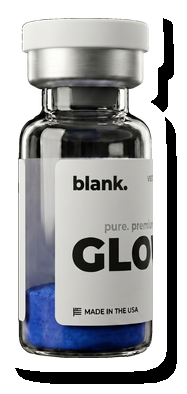
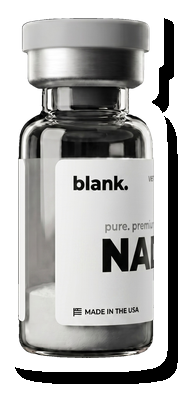
The question of whether is pt 141 legal to purchase in the United States comes up often among researchers entering melanocortin pharmacology for the first time. The answer requires separating two distinct regulatory contexts: PT-141 as a pharmaceutical drug (Vyleesi, FDA-approved for prescription use in 2019) and PT-141 as a research peptide purchased for non-clinical laboratory investigation. These are not the same regulatory category, and the rules governing each are different.
The Regulatory Landscape for PT-141
PT-141, chemically known as bremelanotide, is a synthetic melanocortin receptor agonist with activity at MC3R and MC4R. Its development grew out of Melanotan-II research conducted in the 1990s, specifically aimed at identifying a compound with improved receptor selectivity and a more manageable safety profile than earlier melanocortin agonists.
In 2019, the FDA approved bremelanotide as Vyleesi — a prescription-only subcutaneous auto-injector indicated for acquired, generalized hypoactive sexual desire disorder in premenopausal women. This gives bremelanotide status as an approved drug under the Food, Drug, and Cosmetic Act.
The critical point for researchers: PT-141 as a research peptide is not a DEA scheduled controlled substance. It does not appear on any DEA drug schedule. Purchasing it for legitimate laboratory research — in vitro mechanistic work, animal behavioral studies, receptor binding assays — falls outside the controlled substances framework that governs compounds like opioids, stimulants, and benzodiazepines.
What does apply is FDA authority over products sold or promoted for human use. A vendor making explicit human-use claims, providing medical directions, or marketing PT-141 as a therapeutic would be operating outside compliance. Laboratories purchasing it as a research compound for non-clinical investigation occupy a different regulatory position.
What Research-Use Framing Means in Practice
In the US research chemical context, compounds sold for laboratory use carry the designation “for research use only, not for human or veterinary use.” This framing reflects both the seller’s compliance posture and the buyer’s stated purpose.
For institutional researchers at universities, contract research organizations, or pharma preclinical facilities, the purchasing context is typically well-documented. Purchase orders reference active protocols, IACUC approvals, and in vitro or animal study documentation. The regulatory exposure in these contexts is minimal.
For independent laboratory researchers, the same principle applies: the compound is legal to purchase for genuine research purposes, and the documentation of research context is what matters. Moving from research use to human use transforms the legal equation entirely and is not something any compliant vendor or researcher should facilitate.
Regulatory frameworks can and do change. Researchers should verify current DEA and FDA status through official government databases for their specific use context before ordering.
PT-141 in Active Research Programs
Bremelanotide’s mechanism — melanocortin receptor agonism at MC3 and MC4 — is active research territory beyond the applications that led to its approval. Published animal studies have examined its effects on reproductive behavior in rodent models, food intake regulation via MC4R involvement in appetite pathways, neuroimmune modulation through peripheral MC3R, and stress-related behavioral outcomes.
Researchers investigating the broader melanocortin system often source PT-141 alongside structurally related or functionally adjacent compounds. Kisspeptin-10 is used in reproductive endocrinology research, where its role in GnRH secretion and LH pulsatility makes it relevant to the same reproductive axis studies that PT-141 appears in. Melanotan-II remains available as the earlier-generation melanocortin agonist from which bremelanotide was refined, making it a useful reference compound for head-to-head receptor selectivity comparisons.
Running these compounds in parallel allows researchers to map how receptor selectivity differences translate to behavioral and physiological outcomes — a question that remains active in the published literature.
Sourcing Standards for Research-Grade PT-141
Regardless of a compound’s regulatory category, quality standards govern how useful the data will be. For PT-141 specifically, researchers should verify:
Purity: >99% by HPLC is the research-grade standard. Lower purity means structural impurities that can confound receptor binding assays, behavioral readouts, and in vivo outcomes in ways that are difficult to detect without additional analytical work.
Identity confirmation: Mass spectrometry confirmation at the correct molecular weight (1025.18 Da for bremelanotide) is the minimum alongside HPLC. Peptides from unverified sources occasionally contain sequence errors or truncation products that share similar masses to the target but carry different pharmacology.
Endotoxin testing: Bacterial endotoxin testing data should appear on every COA for compounds used in in vivo work. Endotoxin contamination produces immune activation that confounds behavioral studies, hormonal readouts, and nearly any physiological endpoint measured in animal models. Endotoxin data should be expressed in EU/mg from an independent testing laboratory, not manufacturer attestation.
At Blank Peptides, PT-141 is produced in our cGMP labs in the USA at >99% purity, independently verified by Freedom Diagnostics and Horizon Analytical, with bacterial endotoxin testing data on every lot. Orders process within 1 business day of confirmed payment.
FAQ
Is PT-141 a controlled substance in the United States?
No. PT-141 (bremelanotide) is not listed on any DEA schedule. While it exists as an FDA-approved prescription drug (Vyleesi), purchasing it as a research compound for non-clinical laboratory use is distinct from pharmaceutical distribution. Laws and schedules can change — researchers should verify current status through DEA and FDA official sources for their specific use context before ordering.
Does the FDA’s approval of Vyleesi restrict research purchasing?
The FDA approval creates enforcement authority over selling bremelanotide with human-use claims or as a drug product. It does not create a blanket prohibition on research chemical purchasing for legitimate laboratory purposes. The distinction turns on how the compound is sold, promoted, and used. A compliant research supplier sells with explicit not-for-human-use labeling and makes no therapeutic claims.
What documentation should accompany a research PT-141 purchase?
A certificate of analysis covering HPLC purity (>99%), mass spectrometry identity confirmation at 1025.18 Da, and bacterial endotoxin testing data is the minimum documentation standard. COAs from independent third-party laboratories — not self-certified by the manufacturer — are the appropriate quality gate for any peptide sourcing decision.
All products discussed are for laboratory research use only and are not for human or veterinary use.