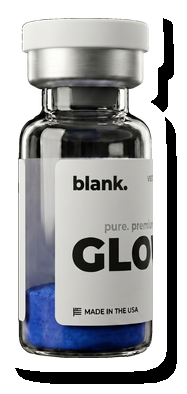
KPV purity is one of the first specifications researchers check when evaluating a supplier. The tripeptide Lys-Pro-Val (KPV) is a fragment of alpha-melanocyte-stimulating hormone (α-MSH) with a defined sequence and molecular weight of 338.40 g/mol. At that size, impurity profiles and degradation markers are measurable by standard analytical methods — and what’s on the certificate of analysis tells you a great deal about how the compound was synthesized and stored.
What “>99% Purity” Actually Represents
When a peptide vendor states purity at >99%, that figure typically refers to the result of high-performance liquid chromatography (HPLC) analysis. HPLC separates a sample’s components by their interaction with a stationary phase and reports the relative percentage of the target compound in the total detected signal. For a tripeptide like KPV, which has a well-defined single-peak profile, a >99% result means that less than 1% of the detected signal belongs to impurities — deletion sequences, oxidized forms, truncated fragments, or residual synthesis reagents.
The practical significance of that 1% threshold depends on the research application. Studies examining KPV’s effects in gut inflammation models, for instance, need a compound profile where confounding peaks won’t introduce a spurious variable. Sub-99% peptide can behave differently from the reference standard if the impurity fraction includes an α-MSH fragment with its own biological activity.
Blank Peptides tests every batch of KPV with independent third-party HPLC at Freedom Diagnostics and Horizon Analytical, and the COA is available before purchase. The purity specification is >99% with no qualifications.
How KPV’s Small Size Affects Purity Analysis
Tripeptides sit at the lower end of the size range for synthetic peptides, and their purity analysis has specific characteristics worth understanding. At three residues, KPV has fewer potential impurity species than longer peptides — there are fewer internal deletion sequences possible. The primary degradation concern is oxidative modification, particularly when the compound is improperly handled after lyophilization.
HPLC is sufficient for full purity characterization at this molecular weight. Mass spectrometry identity confirmation is also standard practice, confirming the molecular ion at m/z 339.2 [M+H]+ and ruling out mass-shifted impurities that HPLC alone might not resolve. Together, HPLC and MS provide a complete purity and identity picture.
Storage conditions matter for maintaining what the COA documents. KPV is stable as a lyophilized powder at −20°C, protected from moisture and light. Once a vial is opened and reconstituted, the working solution should be kept at 4°C and used within the timeframe specified in the COA notes.
Reading KPV COA Data in the Context of Research
A COA for KPV should include at minimum: the HPLC chromatogram or tabulated purity result, molecular weight confirmation from MS, and a bacterial endotoxin testing result. That last point matters for cell-based or animal studies. Endotoxin contamination in a test compound can independently trigger inflammatory cascades, which would confound any KPV inflammation study at the outset. Bacterial endotoxin is detected by limulus amebocyte lysate (LAL) assay and reported in EU/mL or EU/mg. The COA should provide the measured value so researchers can evaluate it against their own protocol standards.
Blank Peptides runs bacterial endotoxin testing on every batch as part of QC, and the result is documented on the COA alongside the HPLC and MS data.
Researchers comparing KPV to other anti-inflammatory compounds in the same catalog — such as BPC-157, which has a distinct mechanism and longer peptide sequence — should confirm that all compounds in the comparison set meet the same purity threshold. Mixed-purity batches create confounders that are difficult to account for in the analysis.
Reconstitution and Vial Handling
KPV is available in 10mg vials. For research reconstitution, add 1 mL of bacteriostatic water per 10 mg of peptide. Bacteriostatic water is the appropriate diluent because benzyl alcohol extends vial stability after reconstitution. Sterile water does not provide the same protection once a vial has been entered.
Researchers running multi-compound protocols — for example, pairing KPV with the KLOW blend, which combines KPV, GHK-Cu, BPC-157, and TB-500 in a single vial — will find the reconstitution parameters broadly consistent across this product class.
Processing time at Blank Peptides is within 1 business day. All compounds are synthesized in our US cGMP labs.
FAQ
Why does KPV purity matter more for cell-based studies than in some animal models?
In cell culture, the absence of a systemic immune buffer means trace impurities can have a more direct effect on readouts. An impurity at 0.5% that triggers a cellular stress response in vitro can produce a false positive result that would not replicate in an in vivo system with intact clearance mechanisms. The higher the assay’s sensitivity, the more consequential the purity specification becomes.
What is the molecular weight of research-grade KPV?
The molecular weight of KPV (Lys-Pro-Val) is 338.40 g/mol. Mass spectrometry confirmation looks for the [M+H]+ ion at approximately m/z 339.2. A COA that reports a significantly different mass or lacks MS identity confirmation is worth investigating with the supplier before the compound enters a study.
Does >99% purity mean the peptide is pharmaceutical grade?
The purity percentage is one specification among several. “Pharmaceutical grade” as a term implies adherence to a full set of GMP manufacturing standards — facility controls, validated analytical methods, documented batch records — not just the end-point purity number. Blank Peptides manufactures KPV in US cGMP labs, which means the manufacturing environment and process controls sit behind the purity figure, not just the number itself.
All products discussed are for laboratory research use only and are not for human or veterinary use.