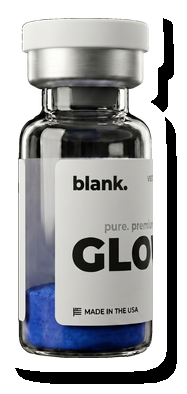
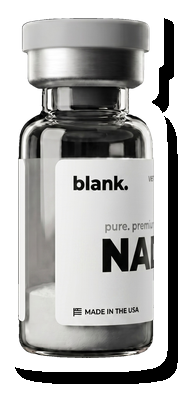
DSIP — delta sleep-inducing peptide — is a naturally occurring neuropeptide first isolated in rabbit brain tissue in the early 1970s. Its sequence is short: just nine amino acids. Despite decades of published research interest in sleep architecture, stress response, and circadian rhythm modulation, DSIP remains minimally regulated in the United States, making it one of the more accessible peptides for domestic research procurement.
For any researcher currently asking whether DSIP is legal in the US, the short answer is yes — under a research use only framework. Here is what that means in practice.
DSIP’s Regulatory Status in the United States
DSIP does not appear on the DEA’s controlled substances schedules — Schedules I through V — and the FDA has not classified it as an approved drug for human use. This combination creates a familiar framework that governs most research peptides: the compound is neither scheduled nor approved, which means possession and purchase are permissible as long as the compound is labeled for laboratory research purposes and not marketed for human or veterinary consumption.
There is no pending scheduling action or FDA enforcement guidance specifically targeting DSIP as of mid-2026. Unlike compounds in adjacent research areas — GLP-1 analogs and certain sexual health peptides have attracted more regulatory scrutiny — DSIP operates in a quiet corner of the peptide regulatory landscape. The research community has studied it for fifty years without triggering scheduling action, which reflects both its natural origin and the absence of significant misuse history.
The key caveat is that legality depends on context. Purchasing DSIP from a vendor that markets it with implied human-use claims, or using it outside a legitimate scientific research setting, shifts the risk profile considerably. The “research use only” designation is not decorative — it carries legal meaning.
How DSIP Appears in Published Research
Most published DSIP studies focus on its effects on sleep stages, particularly slow-wave (delta) sleep in animal models. Work from the 1980s demonstrated that intraventricular administration in rabbits produced measurable shifts in EEG patterns consistent with deeper sleep architecture. Later research expanded to examine links between DSIP and cortisol regulation, somatostatin release, and general stress-hormone modulation in rodent models.
Contemporary researchers also use DSIP to investigate circadian biology and peptide signaling in the hypothalamic-pituitary axis. It attracts overlapping interest with compounds like selank, which is studied in stress response and anxiolytic signaling contexts, and longer-horizon research programs that include peptides like epithalon in circadian and longevity biology.
DSIP is typically supplied in 10 mg lyophilized vials for laboratory use. The lyophilized format offers stability advantages for labs that are not conducting continuous studies — stored at -20°C with desiccant, a sealed lyophilized vial maintains integrity for months without refrigerator access.
What “Research Use Only” Means in Practice
The “research use only” (RUO) label on DSIP from a legitimate supplier is not just a disclaimer — it defines the legal basis for the purchase and possession chain. Vendors who sell DSIP under RUO labeling are operating within FDA guidance for investigational compounds; the purchaser, in turn, must be using the compound in a legitimate laboratory context.
For institutions, this usually means IRB or IACUC oversight of the research protocol, with the peptide entered into lab inventory and used under documented conditions. For independent researchers working in private labs, the standard is less formally defined, but the principle holds: the compound must be used in research, not for personal use.
Sourcing from a domestic, cGMP-compliant supplier with third-party certificate of analysis (COA) documentation is the most defensible approach. A COA from Freedom Diagnostics or Horizon Analytical covering HPLC purity (>99%), mass spectrometry confirmation, and bacterial endotoxin results in EU/mg — and ensuring the sentence doesn’t trail off there — provides documentary evidence that the purchase is part of a legitimate quality-controlled research supply chain.
FAQ
Is DSIP a controlled substance in the United States?
No. DSIP is not scheduled under the Controlled Substances Act, and the DEA has issued no enforcement guidance targeting it. It remains in the research-use-only category, which permits purchase and possession for legitimate laboratory purposes without the regulatory hurdles that apply to Schedules I through V compounds.
Can researchers legally purchase DSIP in the US?
Yes, when the vendor explicitly sells it for research use only and the buyer uses it in a legitimate research context. Vendors who imply human-use applications run afoul of FDA guidelines, and purchasers relying on such vendor claims assume additional risk. Research-grade DSIP sourced from a cGMP-compliant domestic supplier with independent third-party COA documentation is the standard approach for US-based labs.
What should a researcher verify before purchasing DSIP for a study?
At minimum: current HPLC purity data (>99%), mass spectrometry confirmation of the correct molecular identity, and bacterial endotoxin results expressed in EU/mg. Vial format, peptide mass per vial, and lyophilization quality are secondary but relevant. Processing time within 1 business day is what separates serious research suppliers from slower alternatives. The 10 mg vial format is the most common configuration for DSIP in research inventories.
All products discussed are for laboratory research use only and are not for human or veterinary use.