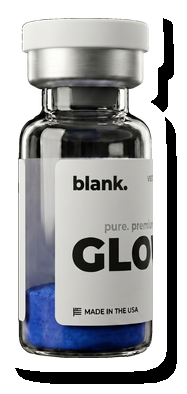
Kisspeptin 10 10mg is a vial format suited for research programs examining GnRH pulsatility, HPG axis responsiveness, and the neuroendocrine regulation of reproductive hormone dynamics. The 10mg vial supports extended study timelines, multi-arm protocols, or situations where a single vial needs to cover more than a few weeks of administration time points. Before starting a study, understanding the compound’s specifications and handling requirements helps protect both the compound and the data that depends on it.
Compound Specifications
Kisspeptin-10 is the C-terminal decapeptide of the full kisspeptin-54 sequence (residues 45–54 of the KISS1 peptide). Both the full 54-residue and 10-residue fragments carry equivalent agonist activity at KISS1R (also known as GPR54) because the receptor-binding domain resides in the C-terminal region. Kisspeptin-10 is used more commonly in preclinical research due to its smaller molecular size, simplified synthesis, and well-established use in published GnRH axis literature.
Molecular weight: approximately 1302.5 g/mol. Sequence: Tyr-Asn-Trp-Asn-Ser-Phe-Gly-Leu-Arg-Phe-NH2. The C-terminal amide is not an artifact — it is the native form of the active decapeptide, and it affects both receptor binding affinity and circulating half-life. Any COA should confirm the amidated form via mass spectrometry if the research protocol depends on that structural feature.
Our kisspeptin is synthesized to >99% purity in our cGMP labs in the USA, with HPLC and mass spectrometry confirmation performed by Freedom Diagnostics and Horizon Analytical. COA documentation is available before purchase.
The 10MG Vial in Study Planning
A 10mg vial concentrates the compound in a single lot, which has practical advantages for multi-week studies. Fewer reconstitution events from fewer vials mean fewer opportunities for inter-vial concentration variability to add noise to the data. When a study needs consistent compound delivery across 20, 30, or more administration points, a single 10mg vial with proper aliquoting typically outperforms managing a series of smaller vials.
For shorter pilot studies or dose-ranging experiments, the 10mg format still works. Reconstitute the full vial, prepare single-use aliquots, and freeze the unused portion at −20°C. Each aliquot should go through at most one thaw cycle before use; multiple freeze-thaw cycles on the same aliquot degrade compound integrity in solution.
Research designs pairing kisspeptin-10 with PT-141 to compare KISS1R-mediated HPG activation with MC3R/MC4R-mediated pathways in a parallel-arm format should plan both vial quantities together. Different per-administration volumes across study arms can leave one arm short of compound before the study endpoint.
Reconstitution Protocol
Add 1 mL of bacteriostatic water to the 10mg vial. The standard ratio — 1 mL of bacteriostatic water per 10 mg of peptide — produces a 10 mg/mL working stock for this vial format. Bacteriostatic water is required rather than sterile water because the benzyl alcohol preservative inhibits bacterial growth after the vial is first entered, which matters across the multiple entries a study vial receives over weeks.
Swirl gently to dissolve the lyophilized cake. Kisspeptin-10 dissolves readily at room temperature; if the powder does not fully dissolve in a minute of swirling, let the vial sit another few minutes before trying again. Avoid shaking or vortexing — it does not improve dissolution speed and introduces air that makes accurate volume measurement harder.
Storage Requirements
Lyophilized kisspeptin-10 stores at −20°C for up to 24 months. Before returning the vial to the freezer, seal it against moisture. Lyophilized peptides are hygroscopic, and absorbed moisture initiates hydrolytic degradation even at freezer temperatures.
Reconstituted solution belongs at 2–8°C and should be used within 28 days. Researchers also working with oxytocin in parallel should note that oxytocin, a nine-residue cyclic peptide active in related neuroendocrine contexts, shares a similar refrigerated storage window but requires closer attention to oxidizing conditions because of its disulfide bond. The two compounds are not interchangeable and should be tracked separately in the lab.
If the study design extends past the 28-day window for reconstituted solution, aliquot before first use. Freeze individual aliquots at −20°C, thaw one at a time as needed, and avoid refreezing any thawed aliquot.
COA Verification
Three elements matter most before ordering: HPLC purity at >99% with a visible chromatogram showing peak areas and retention times, mass spectrometry identity confirmation at the expected molecular weight for the amidated form (approximately 1302.5 g/mol), and a bacterial endotoxin testing result with a measured EU/mg value rather than a pass/fail notation.
The endotoxin result matters for in vivo work in particular. Endotoxin contamination in a reproductive-axis research compound would activate innate immune signaling independently of HPG pathway effects, introducing confounds in any readout that tracks LH pulses, GnRH neuron activity, or downstream sex hormone dynamics.
Processing time at Blank Peptides is within 1 business day. All compounds are synthesized in our cGMP labs in the USA.
FAQ
What concentration does a 10mg kisspeptin-10 vial produce at standard reconstitution?
Reconstituting with 1 mL of bacteriostatic water produces a 10 mg/mL stock. This is the working concentration used in most published preclinical protocols and makes dose calculations straightforward for common administration volumes in rodent model systems. Adjusting the reconstitution volume to produce a lower stock concentration is possible but not recommended, as it reduces the solution’s stability and increases total solution volume per vial.
Does kisspeptin-10 need to be the C-terminally amidated form for KISS1R research?
Yes, in standard research applications. The C-terminal amide is the native form and is the structure used in virtually all published kisspeptin-10 preclinical work. The non-amidated free-acid form has significantly lower binding affinity at KISS1R and would underperform against published benchmarks in any LH pulse or GnRH activation assay. Confirm the amidated form in the mass spectrometry section of the COA before ordering.
How does a 10mg vial compare to a 5mg vial for a multi-week rodent study?
In a typical rodent study administering kisspeptin-10 once or twice daily at standard preclinical concentrations, a 5mg vial may cover a 3–4 week window depending on the number of animals per arm. A 10mg vial provides margin for dose escalation, unexpected study extension, or a short pilot run before the main study begins. Researchers who anticipate repeating the protocol within a few months often prefer the 10mg format so they can return to the same production lot, avoiding inter-lot variability in results.
All products discussed are for laboratory research use only and are not for human or veterinary use.