Researchers asking whether tirzepatide is legal to buy for research in the US are navigating a regulatory question with a reasonably clear answer — one that depends on context and intended use. The short answer: yes, tirzepatide is legal to acquire as a research compound for legitimate laboratory use. The full answer requires understanding what “legal” means in this context and how it differs from pharmaceutical regulation.
Tirzepatide has FDA approval as a therapeutic pharmaceutical under the brand names Mounjaro (type 2 diabetes) and Zepbound (chronic weight management). That approval governs the pharmaceutical product sold through licensed prescription channels. It does not make the unformulated research compound illegal to acquire or possess for scientific study.
How FDA Approval Interacts with Research Procurement
FDA approval of a pharmaceutical product creates regulatory requirements for its manufacture, distribution, and sale as a medicine. It does not extend to research compounds purchased by laboratories for non-therapeutic scientific investigation.
The research compound and the pharmaceutical formulation are distinct categories under US law. Research-grade tirzepatide — supplied by a vendor selling it explicitly for laboratory use, clearly labeled “not for human use” — occupies a different regulatory space than a prescription GLP-1 agonist dispensed through a pharmacy.
What is not legal: selling research compounds for human consumption, compounding them for patient administration without appropriate licensing, or marketing them in ways that imply therapeutic use. A researcher acquiring tirzepatide for legitimate study within those boundaries is on solid legal ground.
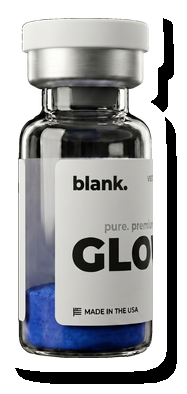
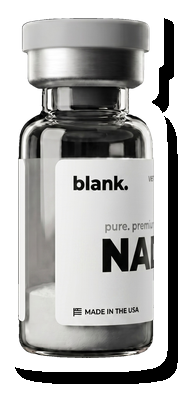
Blank Peptides sells tirzepatide as a research compound only, produced in our cGMP labs in the USA and tested to >99% purity by Freedom Diagnostics and Horizon Analytical. The labeling and documentation are unambiguous: research use only, not for human or veterinary use.
DEA Scheduling Status
Tirzepatide has no DEA schedule. GLP-1 and GIP receptor agonists are not classified under the Controlled Substances Act. There is no DEA registration requirement for a research lab acquiring tirzepatide as a research compound, and no scheduling restriction on possession.
This is a meaningful practical distinction. Controlled substance research carries significant procurement friction — DEA registration, storage requirements, usage logs, disposal records. Tirzepatide research doesn’t carry that burden. Compliance obligations center on intended use and labeling standards, not scheduling, which is part of why GLP-1/GIP research has expanded so quickly in academic and CRO settings over the past several years.
Comparing Regulatory Status Across GLP-1 Compounds
Is tirzepatide legal for research in the same way its peer compounds are? Yes. The regulatory framework is consistent across the GLP-1 class.
Semaglutide — FDA-approved as Ozempic and Wegovy — is similarly unscheduled and legally available as a research compound for laboratory use. Retatrutide, a triple receptor agonist (GLP-1, GIP, and glucagon receptors) still in clinical trials, is in the same unscheduled research compound category. Researchers can source all three from Blank Peptides under the same quality and documentation standards.
The pharmacological distinctions between these compounds are substantial — tirzepatide’s dual GIP/GLP-1 mechanism produces a different receptor engagement profile than semaglutide’s single-agonist approach — but their legal footprint for research procurement is essentially identical.
Institutional Considerations
The federal regulatory picture for tirzepatide research is relatively straightforward. Institutional constraints vary more.
Universities, CROs, and hospital research programs may have IRB, IBC, or purchasing department requirements that add layers to any peptide procurement. Those constraints are institutional policy, not additional federal law. If your institution requires pre-approval for research compound purchases or has a preferred vendor list, that applies regardless of the compound’s scheduling status.
Individual state law occasionally adds complexity in pharmaceutical research contexts, but tirzepatide’s unscheduled status keeps most state-level considerations out of the picture for routine research procurement.
Compliance Checklist Before You Order
Before sourcing tirzepatide for research, confirm:
- Your intended use is legitimate laboratory research — not therapeutic, not for resale, not for human administration
- Your supplier provides explicit “for research use only” labeling on the compound itself
- A COA is available for the specific lot you receive, documenting purity by HPLC, molecular identity by mass spectrometry, and bacterial endotoxin test results
- The supplier’s manufacturing and testing claims are documentable (cGMP process, named third-party labs)
That checklist is short. For most research labs, it reduces to: work with a reputable supplier and keep your documentation current.
FAQ
Is tirzepatide a controlled substance in the US?
No. Tirzepatide has no DEA schedule and is not classified under the Controlled Substances Act. Its FDA-approved pharmaceutical forms are prescription drugs, but the research compound is not restricted under controlled substance law. Compliance for research labs centers on use, labeling, and documentation, not scheduling.
What makes a tirzepatide supplier compliant for research use?
A compliant supplier labels the product explicitly for research use only, provides per-lot COA documentation from named third-party labs, manufactures under cGMP conditions in the USA, and does not imply or support therapeutic application in any marketing or labeling materials. These are the standards Blank Peptides applies to all GLP-1 compounds including tirzepatide.
How does tirzepatide’s legal status compare to semaglutide and retatrutide?
All three are FDA-regulated in pharmaceutical form and unscheduled as research compounds. Sourcing any of them for legitimate laboratory research is legal under the same framework. The compounds differ in receptor targets and binding profiles — tirzepatide engages both GLP-1 and GIP receptors, retatrutide adds the glucagon receptor — but their regulatory treatment as research materials is consistent across the class.
All products discussed are for laboratory research use only and are not for human or veterinary use.