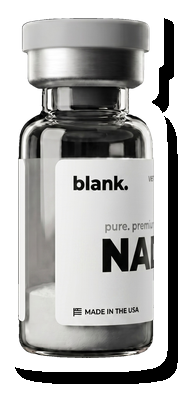
Selank 10mg specifications are worth understanding before the vial arrives. The compound is a synthetic heptapeptide with properties that make storage and reconstitution more straightforward than some larger peptides — but the same care around purity documentation and cold-chain handling applies. This covers the molecular basics, vial specs, and practical handling guidance for research settings.
Molecular Profile and What 10MG Represents
Selank is a synthetic analog of the immunomodulatory peptide tuftsin, extended with a C-terminal tripeptide (Pro-Gly-Pro) that significantly increases metabolic stability. The sequence is Thr-Lys-Pro-Arg-Pro-Gly-Pro — seven residues, molecular weight approximately 863 Da. Compared to larger GHRH analogs or GLP-1 agonists with molecular weights in the thousands, Selank is a small, relatively rigid heptapeptide with good aqueous solubility.
The 10mg vial format is the standard research size. At that quantity, researchers working with cell-based assays have meaningful material for replicate experiments without needing to manage the logistics of larger bulk quantities. A single 10mg vial reconstituted to 1 mL in bacteriostatic water yields a 10 mg/mL stock solution, which is concentrated enough to allow significant dilution into experimental media without disturbing osmolality.
Lyophilization (freeze-drying) is the standard form: the peptide is dissolved, sterile-filtered, filled into vials, and dried under vacuum. The resulting white powder is hygroscopic, which is why vials ship sealed and should remain sealed until use.
COA Expectations: Purity and Testing
Our Selank 10mg vials are synthesized in our cGMP-certified US laboratories and independently tested by Freedom Diagnostics and Horizon Analytical. Purity by HPLC meets the >99% standard confirmed by the chromatogram area integration, and mass spectrometry confirms identity — the observed mass at approximately 863 Da should match the theoretical value within the instrument’s accuracy window.
For a heptapeptide with seven residues, the most common impurities are truncated sequences missing one or two amino acids from the C- or N-terminus, and oxidized variants if the synthesis environment wasn’t appropriately controlled. At >99%, these are reduced to trace levels. The chromatogram included in the COA gives you a direct view of this: a single dominant peak with baseline noise elsewhere is what a well-purified batch looks like.
Bacterial endotoxin testing is included in every batch. Endotoxins are a legitimate concern for any peptide used in cell-based or tissue-based research, particularly in models measuring inflammation or cytokine production — where contaminating lipopolysaccharide can generate false-positive signals. Results are expressed in EU/mg and documented on the COA, not merely asserted as “tested.”
Storage: Before and After Reconstitution
Lyophilized Selank is stable at -20°C under dry, sealed conditions. Long-term storage at -80°C is appropriate for extended timelines. Keep vials away from humidity and light during storage. Once removed from the freezer, allow the vial to reach room temperature before opening — this prevents condensation from forming inside on the lyophilized powder, which would prematurely expose it to moisture.
After reconstitution, the peptide solution is stable at 4°C for short-term use. For research programs that span weeks, aliquot the reconstituted stock into single-use volumes immediately after dissolving and store those aliquots at -20°C. Each experimental draw then represents only a single freeze-thaw event per aliquot, preserving the rest of the stock from repeated cycling.
Selank’s relatively small molecular weight and good aqueous solubility mean it freezes and thaws cleanly compared to some larger, aggregation-prone peptides. Still, the same principle applies: minimize freeze-thaw events, keep reconstituted material cold, and do not expose it to elevated temperatures for prolonged periods.
Reconstitution Protocol
Add 1 mL of bacteriostatic water per 10 mg of Selank. Direct the water down the inner wall of the vial, not directly onto the lyophilized cake. This keeps the powder from clumping at the surface and allows it to dissolve progressively as you gently swirl the vial.
Gentle swirling or end-over-end rotation is sufficient. Vortex mixing is unnecessary and can introduce air bubbles that make accurate volume measurement harder. At room temperature with bacteriostatic water, Selank dissolves fully within a few minutes given its hydrophilic character.
Bacteriostatic water contains 0.9% benzyl alcohol, which inhibits microbial growth and allows the reconstituted solution to be stored at 4°C for practical working periods. Do not substitute sterile water unless the reconstituted solution will be used immediately: sterile water lacks the preservative and allows microbial contamination during storage.
Related Compounds for Neuropeptide and Anxiolytic Research
Selank is often contextualized alongside other neuropeptide-adjacent research compounds. Semax is a synthetic ACTH(4-10) analog — a heptapeptide with a different sequence and primary research application in cognitive and neuroprotective models, but similar molecular weight and handling characteristics to Selank. Researchers sometimes work with both when designing comparative studies on neuropeptide effects in stress-response or anxiety-related behavioral models.
DSIP (Delta Sleep-Inducing Peptide) is another nonapeptide studied in sleep and neurological research contexts. At 848 Da, its molecular weight is close to Selank’s, and reconstitution and storage protocols are essentially identical. Researchers building multi-compound neuropeptide panels frequently include DSIP alongside Selank and Semax given their mechanistic divergence — each provides a different point of interrogation into peptidergic neurological signaling.
Frequently Asked Questions
What is the expected shelf life of a lyophilized Selank 10mg vial stored at -20°C?
Under properly sealed, dry storage conditions at -20°C, lyophilized Selank is generally stable for 24 months. The key threats are humidity intrusion and repeated temperature excursions. A vial that was stored correctly and is within that window should show no meaningful purity loss. If a COA was issued at manufacture and the vial has been properly stored, the documentation remains representative.
Does Selank require cold-chain shipping?
Yes. While lyophilized Selank tolerates brief ambient exposure better than some heat-sensitive large peptides, shipping without temperature control during warm seasons can accelerate oxidation and moisture uptake through minor vial seals. Orders ship with processing time within 1 business day and include cold-pack handling to maintain the product within appropriate temperature ranges during transit.
How do HPLC purity and mass spectrometry work together to verify a Selank batch?
HPLC purity confirms what fraction of the UV-absorbing material in the sample co-elutes with the expected retention time for Selank. Mass spectrometry independently confirms that the material has the correct molecular mass — approximately 863 Da — ruling out situations where an impurity with a similar retention time would inflate the apparent purity figure. Together, they establish both purity and identity, which is why a COA without mass confirmation is an incomplete document.
All products discussed are for laboratory research use only and are not for human or veterinary use.