When researchers look for where to buy KPV, availability is rarely the obstacle. A search turns up dozens of peptide vendors within seconds. The harder problem is knowing what separates a supplier who can document their product quality from one who cannot. KPV—the C-terminal tripeptide Lys-Pro-Val derived from α-melanocyte-stimulating hormone—is structurally compact, but that simplicity doesn’t make it easier to verify. This guide covers the documentation and quality markers worth examining before any purchase.
What a KPV COA Should Cover
A certificate of analysis is the baseline document for any research peptide, and it should be specific enough to be useful rather than generic enough to apply to any vial in the building.
For KPV, the COA should report HPLC purity expressed as percentage area—typically >99%—derived from reverse-phase HPLC rather than UV absorbance-only methods. Reverse-phase HPLC separates components by polarity and gives a more complete picture of the sample’s composition. A chromatogram trace, either embedded or available on request, lets you see the peak shape and confirm there are no significant co-eluting species.
Mass spectrometry confirms molecular identity. KPV has a molecular weight of approximately 315.41 Da, and a clean MS trace should show the expected parent ion. If the reported mass doesn’t match, or the supplier can’t produce the MS data, that’s a problem worth addressing before ordering.
Batch and lot traceability is the third piece. Each vial should carry a lot number that maps to a specific COA. Suppliers who issue a single generic COA covering multiple production runs can’t actually trace which batch tested at which purity—and that matters when research protocols require documented sample consistency.
Bacterial endotoxin testing results complete the picture. Endotoxin contamination in a KPV preparation can interfere with cell-based assays measuring inflammatory responses, which is precisely the area where KPV research tends to focus. The COA should report a specific value in EU/mg or EU/mL, not just a checkbox confirming the test was run.
Evaluating Third-Party Lab Documentation
Self-testing is the baseline; independent testing is the stronger standard. Third-party labs like Freedom Diagnostics and Horizon Analytical have the equipment and documented quality systems to run HPLC and mass spec verification independent of the supplier’s in-house results.
When a supplier names a specific external lab and makes those reports available, you can cross-reference the third-party result against the supplier’s COA. Matching results across two independent analyses is meaningfully stronger evidence than either alone. A supplier who claims third-party testing but cannot name the lab or provide the certificates leaves that claim unverifiable.
For KPV vials sourced for research use, third-party documentation should cover at minimum purity and identity. Bacterial endotoxin testing can also be run by an independent lab, though some facilities subcontract that specific test to a specialist.
Storage, Handling, and Shipping Expectations
Lyophilized KPV powder stores best at -20°C. Peptides with free amine and carboxyl groups are susceptible to aggregation and degradation in the presence of heat and moisture. How a supplier handles shipping matters: cold-pack or refrigerated packaging for domestic orders indicates the vendor has accounted for thermal stability; ambient-temperature shipment in warm months is a risk factor for peptide integrity worth asking about before placing an order.
Processing time within 1 business day is a reasonable fulfillment standard. Delays before shipment create uncertainty in experiment scheduling that compounds if multiple reagents are arriving at different times.
Researchers pairing KPV with BPC-157 across protocols should confirm that each compound carries its own lot-specific COA. Buying two products in one order does not combine or transfer quality documentation between them.
For reconstitution in a research context, 1 mL of bacteriostatic water per 10 mg of KPV is a standard starting point, keeping total volume at or under 3 mL. Verify the labeled fill weight against actual vial contents where possible; short-filled vials are more common in this category than in most research reagents.
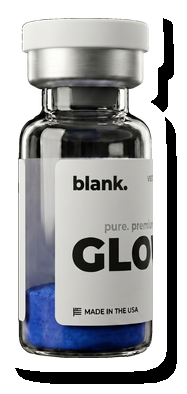
Blend products that incorporate KPV—such as KLOW—carry their own documentation requirements. Each component in a blend should appear on the COA, not just the final mixture.
FAQ
What purity threshold is appropriate for in vitro KPV research?
Most published cell-culture work with KPV uses preparations at >99% HPLC purity. Lower purity figures mean more impurities in the sample. In assays studying inflammatory signaling or epithelial responses, those impurities can introduce variables that confound results. If the protocol involves primary cells or low-concentration dose curves, purity requirements become more demanding, not less.
What storage conditions should a KPV vial arrive in?
Lyophilized KPV should be stored at -20°C. A vial that arrives at ambient temperature is not automatically compromised, but it should be moved to cold storage promptly rather than held at room temperature. Once reconstituted in bacteriostatic water, the working solution is typically stable for 2-4 weeks at 4°C, though this varies with concentration and the specific formulation.
Why does bacterial endotoxin testing matter specifically for KPV research?
KPV is studied in gut epithelial cell models and inflammatory signaling pathways. Lipopolysaccharide endotoxin from gram-negative bacteria activates many of the same receptors and pathways that KPV research investigates. A contaminated sample can produce results that appear to reflect peptide activity when the actual driver is the contamination. Quantified endotoxin data on the COA lets researchers assess whether the sample meets the threshold their assay requires.
All products discussed are for laboratory research use only and are not for human or veterinary use.