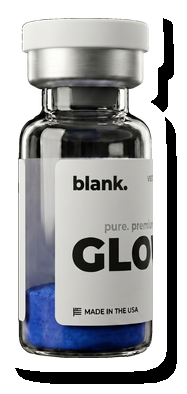
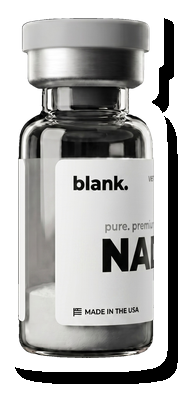
For researchers studying incretin biology, the comparison of retatrutide vs semaglutide spans a meaningful mechanistic gap. Semaglutide targets one receptor. Retatrutide targets three. That structural difference generates distinct downstream profiles, and understanding where those profiles diverge is the starting point for any study design that touches metabolic, hepatic, or energy-expenditure endpoints.
Mechanism: One Receptor vs Three
Semaglutide is a selective GLP-1 receptor agonist. Its structure incorporates a C18 fatty diacid chain that binds reversibly to albumin, extending its half-life in biological systems to approximately one week for injectable forms. That long half-life is useful for protocols designed around once-weekly compound administration and reduces injection timing as a confounding variable compared to shorter-acting GLP-1 analogs.
Retatrutide is a triple agonist at GLP-1R, GIPR, and the glucagon receptor. Each receptor class activates distinct signaling pathways. GLP-1R agonism reduces gastric emptying and suppresses glucagon secretion. GIPR agonism enhances glucose-dependent insulin secretion and has adipose tissue effects that are still being characterized in the research literature. Glucagon receptor agonism stimulates hepatic glucose output and increases thermogenesis via brown adipose tissue activation. Semaglutide does not engage the GIP or glucagon receptors at all.
The practical upshot: semaglutide is a focused, well-characterized GLP-1R tool. Retatrutide introduces hepatic and thermogenic mechanisms that need to be accounted for in study design if they are not the variable of interest.
What the Additional Targets Mean for Research Scope
The three-receptor pharmacology of retatrutide makes it particularly useful for studies asking questions at the system level. How does combined incretin-glucagon receptor stimulation affect hepatic lipid metabolism? What happens to whole-body energy balance under simultaneous GLP-1R, GIPR, and GcgR activation? Semaglutide cannot address those questions because it does not engage GcgR.
For studies that specifically ask about GLP-1R agonism in isolation, semaglutide is the appropriate tool. Its high selectivity for GLP-1R means observed effects can be attributed to that pathway without GIP or glucagon receptor confounds. That selectivity has made semaglutide the reference compound in a large body of published GLP-1 research, which makes it easier to situate new findings within the existing literature.
If the goal is to understand what the incretin-glucagon interaction contributes above and beyond GLP-1R agonism alone, a two-arm design works well: semaglutide as the GLP-1R control, retatrutide as the triple agonist. The differential endpoints are then attributable to GIP and glucagon receptor co-stimulation.
When Semaglutide Still Makes Sense as the Comparator
Semaglutide has a longer publication track record than retatrutide. For studies where benchmarking against the existing literature is a methodological priority, semaglutide provides a historical reference point that retatrutide cannot yet match in volume. Published models, cell-line protocols, and dose-response curves for GLP-1R agonism are extensively documented for semaglutide; researchers working in a less-characterized area may find it productive to use semaglutide as the anchor and introduce retatrutide as the experimental comparator.
Both compounds are supplied as lyophilized powder and share the same storage requirements: -20°C for long-term stability, up to 24 months. Reconstitution uses bacteriostatic water, 1 mL per 10 mg of peptide.
For comparison studies, lot-to-lot consistency across both arms is a controlled variable, not a detail. Both compounds should carry COAs from the same verification cycle, reporting HPLC purity at >99% and mass spectrometry confirmation, with bacterial endotoxin results in EU/mg for each lot. Variation in endotoxin levels between comparator lots can introduce an immunological confound that distorts inflammatory endpoints — worth verifying rather than assuming.
Our cGMP manufacturing in the USA covers both retatrutide and semaglutide, with lot-matched COA documentation from Freedom Diagnostics and Horizon Analytical available per batch. For a study where compound quality is a controlled variable, sourcing both peptides through the same manufacturing and verification infrastructure removes one more variable from the design.
FAQ
What is the core pharmacological difference between retatrutide and semaglutide?
Semaglutide is a selective GLP-1 receptor agonist. Retatrutide agonizes GLP-1R, GIPR, and the glucagon receptor simultaneously. The additional receptor targets give retatrutide a broader downstream profile, including hepatic and thermogenic effects that semaglutide does not produce.
Is retatrutide more potent than semaglutide for research purposes?
Potency comparisons are receptor- and endpoint-specific, not general. Retatrutide engages more receptor classes; semaglutide provides a more focused GLP-1R signal. Which compound is appropriate depends entirely on what the study is measuring, not on a generalized potency hierarchy.
Should both compounds in a comparative study come from the same supplier?
Using the same supplier ensures both lots go through the same manufacturing standards and testing methodology. Matching COA dates and lot quality reduces inter-lot variability as a confound in two-arm designs, which is the practical standard for comparative incretin research.
All products discussed are for laboratory research use only and are not for human or veterinary use.