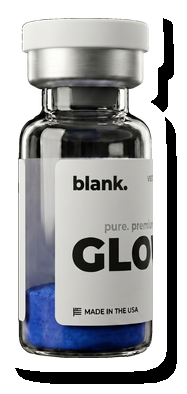
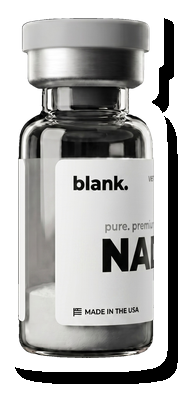
In incretin pharmacology research, comparing retatrutide vs tirzepatide comes down to one receptor class. Both peptides act at GLP-1 and GIP receptors. Retatrutide adds a third: the glucagon receptor. That additional target is not minor, and any study design that treats these two compounds as interchangeable will be working from a flawed premise.
The Receptor Profiles That Define Each Compound
Tirzepatide is a dual GLP-1/GIP receptor agonist. Structurally, it incorporates a fatty diacid moiety for albumin binding, which extends its half-life in biological systems and makes it useful for protocols designed around once-weekly compound administration. GLP-1R agonism suppresses glucagon secretion and slows gastric motility. GIPR agonism amplifies glucose-dependent insulin secretion and has downstream effects on adipose tissue that continue to be characterized in published research.
Retatrutide is a triple agonist at GLP-1R, GIPR, and the glucagon receptor (GcgR). The GcgR component does not duplicate what the other two receptors do. Glucagon receptor agonism stimulates hepatic glucose output and activates thermogenic pathways, particularly in brown adipose tissue. These are mechanisms that tirzepatide does not engage at all. Adding GcgR activity to the GLP-1R/GIPR scaffold creates a compound with a broader downstream profile, specifically useful for research models involving hepatic metabolism and total energy expenditure.
Both compounds are supplied as lyophilized white powder. Storage requirements are the same: -20°C for long-term stability.
What Adding Glucagon Agonism Changes for Research
The practical implication of the triple-agonist mechanism is that retatrutide and tirzepatide are not direct substitutes in a research protocol. Researchers studying GLP-1/GIP co-agonism specifically, looking at downstream effects attributable to those two pathways without glucagon confounds, would use tirzepatide as the more controlled choice. The dual mechanism is well-characterized in the existing literature, and positive controls are straightforward to establish.
Researchers interested in the metabolic effects of incretin-glucagon co-stimulation have a specific reason to select retatrutide. The GcgR component adds hepatic and thermogenic effects that tirzepatide does not generate. Phase I and Phase II data on retatrutide published in the mid-2020s provided a starting framework for understanding receptor target hierarchy and dose-response patterns that researchers can use to contextualize in vitro or ex vivo work.
Choosing Between Them for a Study Design
The central question is which receptor axis is the independent variable.
If the study examines GLP-1/GIP co-agonism in isolation, comparing it against a GLP-1-only control, tirzepatide is the cleaner choice. It does not introduce GcgR effects that would need to be isolated and accounted for separately.
If the study intends to model the broader incretin-glucagon axis, including hepatic and thermogenic components, retatrutide covers all three receptor classes in a single compound.
A common design in comparative metabolic research uses both compounds as parallel arms. Running tirzepatide and retatrutide side by side lets a study attribute any differential effects to the GcgR component rather than to differences in GLP-1R or GIPR efficacy. This approach requires matched purity and lot consistency across both compounds. Sourcing both with COAs verified by Freedom Diagnostics and Horizon Analytical, reporting HPLC purity at >99% per lot, is standard practice for controlled designs that require documented quality parity between arms. If you are sourcing retatrutide for a comparative design, per-lot documentation matters as much as the compound specification itself.
Reconstitution is the same for both: 1 mL of bacteriostatic water per 10 mg of peptide, adjusted for target working concentration. Reconstituted solutions should be stored at 4°C and used within 14 days.
FAQ
What is the core structural difference between retatrutide and tirzepatide?
Retatrutide is a GLP-1/GIP/glucagon triple receptor agonist. Tirzepatide is a GLP-1/GIP dual agonist. The addition of glucagon receptor activity in retatrutide is the defining structural and mechanistic distinction.
Can I substitute tirzepatide for retatrutide in an existing research protocol?
Not directly. Tirzepatide lacks glucagon receptor activity, so hepatic effects and thermogenic endpoints observed with retatrutide will not be replicated by a swap to tirzepatide. The two compounds share two receptor targets but produce different downstream profiles.
What storage conditions do both compounds require?
As lyophilized powders, both retatrutide and tirzepatide should be stored at -20°C, protected from light and humidity. Reconstituted solutions should be kept at 4°C and used within 7 to 14 days. Avoid repeated freeze-thaw cycles with reconstituted aliquots.
All products discussed are for laboratory research use only and are not for human or veterinary use.