KPV 10MG Vials: Specs, Sizing, and Handling
KPV (Lys-Pro-Val) is a tripeptide derived from the C-terminal region of alpha-melanocyte-stimulating hormone (α-MSH). The sequence — lysine, proline, valine — carries a molecular formula of C15H28N4O4 and a molecular weight of 328.41 g/mol. The 10mg vial is the standard procurement unit for most KPV research programs.
Understanding what a kpv 10mg vial actually contains, how to handle it on receipt, and what the documentation should show helps researchers avoid sourcing problems before they begin an experiment.
Why 10MG Is the Standard Unit
At 10mg, a single vial yields a meaningful number of experimental data points without creating excess material that might sit reconstituted for too long. Most researchers working with KPV from Blank Peptides order multiple 10mg units rather than one large vial, primarily for per-batch traceability. Each vial carries its own lot number linked to independent third-party testing documentation. If you run into an anomalous result, the lot-specific COA gives you a clean reference point.
Larger sizing is available at some suppliers, but 10mg balances economy and practical turnaround well. Lyophilized KPV reconstituted in 1 mL bacteriostatic water reaches 10,000 mcg/mL — a concentration that gives sufficient working range for most dilution schemes without excessive dead volume.
Physical Specifications
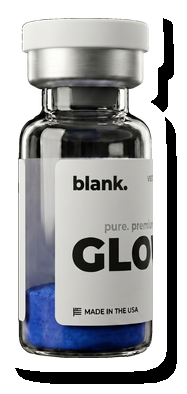
Appearance: White to off-white lyophilized powder. Any visible yellowing, persistent clumping after gentle vial agitation, or particulate floating before reconstitution should be logged as an anomaly and flagged to the supplier.
Form: Lyophilized (freeze-dried). This extends shelf life and maintains stability during shipping better than solution-form alternatives.
Vial seal: Crimp-capped with a rubber septum for aseptic withdrawal via syringe. Check the seal integrity on arrival; any vial with a compromised septum should not be used for sterile work.
Purity specification: >99% by HPLC, confirmed by third-party laboratory analysis. Blank Peptides uses Freedom Diagnostics and Horizon Analytical for this testing, and the corresponding lot COA is available on the product page.
Storage Requirements
Lyophilized KPV is stable at -20°C for approximately 24 months. A few days at 4°C for short-term staging is acceptable, but if you’re not opening the vial within a week of receipt, freeze it.
Once reconstituted, store at 4°C and plan to use within four weeks. Avoid repeated freeze-thaw cycles on reconstituted material — each cycle introduces some risk of peptide degradation and aggregation. If your protocol runs across multiple sessions, aliquot the reconstituted stock into single-use volumes on the day of reconstitution.
Keep vials away from direct light. Normal laboratory refrigerator conditions are suitable, but do not store adjacent to volatile organic solvents or aerosol-format reagents — off-gassing can compromise the rubber septum over time.
Reconstitution Protocol
Add 1 mL of bacteriostatic water to a 10mg KPV vial. Direct the stream against the inner wall of the vial — not directly onto the lyophilized powder — to avoid mechanical shearing of the peptide. Let the liquid run down to the cake, then swirl gently. KPV dissolves readily in aqueous solution at physiological pH. Vortexing is not necessary and risks generating bubbles that complicate aspiration.
The resulting solution is 10 mg/mL (10,000 mcg/mL). Dilute further per your research protocol. Going above 2 mL per 10mg vial is not recommended; it increases handling volume without meaningful benefit for most research designs and reduces the effective concentration range available before dilution.
Documentation: What Comes with a Research-Grade Vial
A properly documented KPV 10mg vial will carry a batch certificate covering at minimum: HPLC purity (the stated value should be >99%), mass spectrometry identity confirmation (the [M+H]+ ion at approximately 329.4 m/z corresponding to C15H28N4O4 with one proton), a bacterial endotoxin testing result expressed as EU/mg, the lot number, and the manufacture date.
The bacterial endotoxin testing result should be a reported value, not just a pass/fail mark. A specific number you can evaluate against your research requirements is more useful than a binary designation that tells you nothing about the margin.
Blank Peptides issues lot-specific COAs through Freedom Diagnostics and Horizon Analytical. Both labs are named on the certificate, not referenced generically.
Comparing 10MG KPV to Blend Formats
Some researchers sourcing KPV also evaluate whether to use a multi-peptide blend instead. KLOW is a four-peptide blend that combines KPV, GHK-Cu, BPC-157, and TB-500 in a single 80mg vial. KLOW suits protocols targeting multiple pathways simultaneously and eliminates the need to manage four separate vials.
For single-compound research — dose-response curves, control conditions, or mechanistic studies where isolating KPV’s contribution matters — the standalone 10mg unit is the right choice. Some researchers run BPC-157 alongside KPV in parallel treatment arms rather than a blend, which keeps dosing independent and simplifies data interpretation.
Neither approach is wrong. The format decision depends on the experimental design.
Ordering and Shipping
Processing time within 1 business day. KPV vials ship from our cGMP-compliant facility in the USA. The compound is sold for laboratory research use only.
FAQ
What concentration results from reconstituting a KPV 10mg vial with 1 mL of bacteriostatic water?
The resulting concentration is 10 mg/mL, or 10,000 mcg/mL. Most protocols work from dilutions of this stock rather than using it at full concentration.
How should reconstituted KPV be stored and for how long?
Reconstituted KPV should be stored at 4°C and used within four weeks. Avoid freeze-thaw cycling of reconstituted material. Aliquot into single-use volumes if your protocol spans multiple sessions.
Is bacterial endotoxin testing performed on every lot of KPV 10mg vials?
Yes. Each batch undergoes bacterial endotoxin testing as part of the release process, and the result is documented on the lot-specific COA issued by Freedom Diagnostics or Horizon Analytical.
All products discussed are for laboratory research use only and are not for human or veterinary use.