KPV Reviews: How to Evaluate Vendor Feedback and Data
Searching for kpv reviews returns a mix of forum posts, comment threads, and supplier testimonials. Most of it is not particularly useful for a researcher trying to make a procurement decision. The problem is not that feedback is absent — there’s plenty of it — but that almost none of it addresses what actually matters in a research context: compound identity, purity documentation, and batch consistency.
This guide covers what KPV reviews can and can’t tell you, which data points actually support a sourcing decision, and how to weight the information you find.
What Typical KPV Reviews Focus On — and What They Miss
The majority of online KPV reviews describe personal experiences. They are not lab records. They cannot confirm that a given batch of KPV was the compound it claimed to be, at the stated concentration, with the purity level that the supplier advertised.
This matters because KPV (Lys-Pro-Val) is a tripeptide with a molecular weight of 328.41 g/mol. Two batches from two suppliers could produce visually identical lyophilized powder and differ substantially in purity, impurity profile, or sequence fidelity. Without HPLC data and mass spectrometry identity confirmation, those differences are invisible. A review based purely on subjective experience cannot distinguish between a >99% pure batch and one that tests at 85% — with the balance consisting of truncated sequences or synthesis byproducts.
Community feedback does carry some signal, but it’s mostly about supplier reliability at the operational level: did the order arrive, was shipping handled correctly, did the supplier respond to questions promptly. These matter. They’re just not sufficient on their own.
The Data Points That Actually Support a Sourcing Decision
When evaluating a KPV supplier, the evidence hierarchy looks roughly like this, from most to least informative:
Third-party lab documentation comes first. A COA from an independent laboratory — naming the facility, showing a specific HPLC purity value above 99%, and including a bacterial endotoxin testing result in EU/mg — is the single most useful piece of evidence available before purchase. Blank Peptides uses Freedom Diagnostics and Horizon Analytical for this testing. Both labs issue lot-specific documents, not blanket facility certifications.
Batch-specific traceability comes second. Every vial should carry a lot number that corresponds to a specific COA. A supplier who provides documentation at the product level rather than the lot level is giving you evidence about a manufacturing process, not about the specific batch in your hands.
Manufacturing origin matters. KPV made in our cGMP labs in the USA operates under a different quality framework than peptide synthesized overseas with no documented process controls. “Made in the USA” is not a guarantee by itself, but it narrows the range of uncertainty considerably when combined with third-party test documentation.
Supplier responsiveness is a softer signal but a real one. A supplier who answers specific technical questions — which labs test your batches, what’s the typical endotoxin level, can I get the raw chromatogram — demonstrates a level of product familiarity that distinguishes real manufacturers from resellers.
Reading Forum Reviews with the Right Frame
Forum discussions about KPV often include useful peripheral information even when the direct feedback is uninterpretable. Watch for:
Consistent references to COA availability. If multiple commenters in a thread mention that a supplier provides lot-specific COA documentation from named third-party labs, that’s a positive structural signal. It doesn’t verify the COA contents, but it tells you the supplier is at least producing the documentation.
Price anchoring. KPV is a relatively small tripeptide; it’s not difficult to synthesize. Pricing that is significantly below market for research-grade material often reflects a quality cut somewhere — typically in testing. Very low prices and very high purity claims in combination are worth scrutinizing carefully.
Batch-to-batch consistency comments. If a researcher mentions that a second order from the same supplier tested differently than the first, that’s more useful negative information than a vague positive review. Inconsistency between lots suggests quality control gaps even if individual lots tested well.
Comparing KPV Sourcing Against Related Compounds
Researchers who are reviewing KPV suppliers often also evaluate BPC-157, which shares significant overlap in the gut and inflammation research literature and frequently appears in the same vendor catalogs. The documentation standards for BPC-157 procurement are worth applying identically to KPV — same COA criteria, same third-party testing requirements, same lot-level traceability expectation.
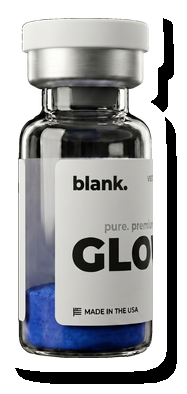
KLOW offers another sourcing angle: it is a four-peptide blend that includes KPV as a component alongside GHK-Cu, BPC-157, and TB-500. For researchers whose protocol includes multiple compounds anyway, the blend format has the advantage of a single COA covering all four peptides from one lot. The documentation standard still applies — the COA should cover each compound separately, not issue a single composite purity claim for the blend as a whole.
Ordering and Expectations
Processing time for KPV orders from Blank Peptides is within 1 business day. Vials ship from our USA cGMP facility. The product is manufactured and sold for laboratory research use only; the COA documentation reflects that standard.
If you’ve read through supplier reviews and reached the documentation stage, the final check before ordering is confirming that the lot number on the COA matches the vial that ships. Request the lot-specific document at the time of order or shortly after, before opening the vial.
FAQ
What should I look for in KPV supplier reviews to evaluate product quality?
Look for references to third-party COA availability, lot-specific documentation, named testing laboratories, and consistent HPLC purity figures above 99%. Subjective experience feedback alone cannot confirm compound identity or purity.
Why do KPV reviews on forums often conflict with each other?
Different reviewers received different lots, possibly from different production batches, from suppliers who may not test every lot or who use varying testing methodologies. Without shared lot-level documentation, there’s no common basis for comparison.
Does Blank Peptides provide KPV COA documentation for each lot?
Yes. Each lot of KPV undergoes HPLC purity testing and bacterial endotoxin testing through Freedom Diagnostics or Horizon Analytical, with a lot-specific COA available on the product page.
All products discussed are for laboratory research use only and are not for human or veterinary use.