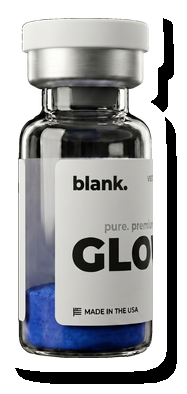
Retatrutide is a triple-agonist research compound targeting GLP-1, GIP, and glucagon receptors simultaneously — a receptor profile that distinguishes it from dual agonists and single-target GLP-1 analogs. When researchers order it, the first practical question is usually which vial strength fits the protocol. The comparison of retatrutide 10mg vs 20mg vs 30mg is partly about budget and partly about study design: how long the study runs, how many treatment arms it includes, and how much total compound the experimental design requires.
Understanding what vial strength actually means in a laboratory context helps make that decision straightforward.
What Vial Strength Means in Practice
Vial strength specifies the total quantity of lyophilized peptide contained in the vial, not a concentration. Concentration only comes into existence after reconstitution, and retatrutide follows the standard peptide reconstitution protocol: 1 mL of bacteriostatic water per 10 mg of peptide, up to a maximum of 3 mL.
The math works out consistently across vial sizes:
A 10 mg vial reconstituted in 1 mL yields a 10 mg/mL solution. A 20 mg vial reconstituted in 2 mL gives the same 10 mg/mL concentration. A 30 mg vial reconstituted in 3 mL — the maximum volume at this ratio — also yields 10 mg/mL.
Concentration per unit volume stays constant. What changes is total volume available and therefore total number of doses the reconstituted stock can support. A 30 mg vial reconstituted at the standard ratio yields three times the working volume of a 10 mg vial at the same concentration.
10mg Vials: Entry Points and Dose-Ranging Work
The 10 mg vial is where most retatrutide research programs start. In dose-finding or range-finding experiments — where the goal is to bracket a response range before committing to a fixed-dose study design — smaller total quantities manage costs while providing enough material to run a meaningful set of conditions.
Cell-culture applications often require only microgram-level quantities per treatment arm. For in vitro receptor binding assays or signaling pathway studies, a 10 mg vial can cover dozens of conditions, making it the efficient choice for early-phase compound characterization work.
One practical point on reconstituted stability: once a vial is reconstituted, integrity degrades over time even under refrigeration. If the complete 1 mL volume fits a single experimental run with modest excess, reconstituting the full vial at once minimizes the time any portion spends as a solution. If the study design requires spread across multiple sessions, aliquoting at the time of reconstitution preserves the remainder better than repeated draw-down from a single vial.
20mg and 30mg Vials: Sustained Studies and Multi-Arm Designs
Longer in vivo studies — particularly rodent protocols running 6 to 12 weeks with daily or multi-weekly dosing — typically require more total compound than a 10 mg vial can cover. Calculating total mg needed before ordering is straightforward: multiply the per-dose amount by the dosing frequency by the study duration, then add a buffer of 15–20% for pipetting losses and handling overhead. Most multi-week murine studies with retatrutide land in the 15–30 mg range depending on dose level and animal count.
A single 30 mg vial reconstituted to 3 mL reduces the number of reconstitution events across the study, which matters for consistency. Each reconstitution introduces a small handling variable; minimizing those events between treatment arms tightens the data. For protocols with parallel arms — multiple dose levels of retatrutide against a vehicle control — reconstituting all arms from the same vial stock eliminates one additional variable in the design.
Researchers running comparative studies between retatrutide and structurally related GLP-1 family compounds like semaglutide or tirzepatide in parallel arms benefit from matching vial sizes across all compounds. Consistent sourcing simplifies reconstitution timing, record-keeping, and — critically — ensures all compounds in the comparison come from the same batch-verification standard.
Purity Standards and Testing Across Vial Sizes
Purity matters equally regardless of vial strength. At >99% purity, each milligram in the vial is predominantly the active triple-agonist peptide — a meaningful distinction in receptor binding assays where low-level impurities can generate off-target signals that confound dose-response curves.
Blank Peptides’ retatrutide is manufactured in our cGMP labs in the USA. Each batch is tested by HPLC and mass spectrometry for identity and purity, with third-party verification through Freedom Diagnostics and Horizon Analytical including bacterial endotoxin testing documented on the certificate of analysis. The COA batch number should be matched to the vial in hand before reconstitution and archived with the study record.
Processing time is within 1 business day. Vials ship lyophilized and should be stored at −20°C on arrival. Lyophilized retatrutide is stable under those conditions for extended periods; the stability clock starts only after reconstitution.
Metabolic Research Context
Retatrutide’s triple-agonist profile makes it a focus of metabolic regulation research examining GLP-1, GIP, and glucagon receptor crosstalk in energy metabolism, adipose tissue dynamics, and glycemic control models. The choice between vial strengths ultimately serves the study design, not the compound’s biology — the peptide is the same at 10, 20, or 30 mg. What the vial size determines is whether the study has enough material to run cleanly from start to finish without mid-study reorders or batch changes.
FAQ
Does a 30mg vial at 3 mL have the same concentration as a 10mg vial at 1 mL?
Yes. Both yield a 10 mg/mL working solution at the standard reconstitution ratio. The total volume differs — 3 mL versus 1 mL — which gives three times as many equivalent-concentration doses, but the concentration per unit volume is identical. Researchers scaling dose levels between studies can use either vial size without adjusting their dosing calculation.
Which vial size typically fits a 6–8 week rodent study?
It depends on dose level and the number of animals per group. A typical calculation: if a protocol calls for a given dose multiple times per week across 8 weeks with a group of 8–10 rodents, the total compound requirement can range from 15 to over 30 mg depending on dose level. Calculating the full requirement before ordering and selecting the single vial size that covers it — with a buffer — is more efficient than ordering multiple smaller vials mid-study.
Should reconstituted retatrutide be aliquoted for multi-week studies?
For studies spanning several weeks, aliquoting the reconstituted solution into small volumes and storing at −80°C is standard practice. This avoids repeated freeze-thaw cycles on the main stock, which degrade peptide integrity over time. Each aliquot is thawed once and used within a short window. Label aliquots with batch number, reconstitution date, and concentration for study records.
All products discussed are for laboratory research use only and are not for human or veterinary use.