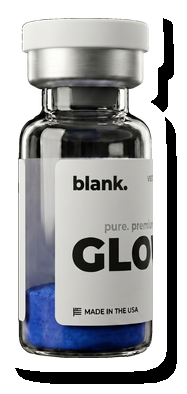
KPV (Lys-Pro-Val) is a tripeptide fragment of alpha-melanocyte stimulating hormone (α-MSH), and most published work using it focuses on NF-κB-mediated inflammation, particularly in gut epithelial and colitis models. For researchers planning protocols in this space, evaluating kpv alternatives before ordering makes sense: the right compound depends on which mechanistic angle the study prioritizes, the model system in use, and whether the protocol requires pathway specificity or broader multi-endpoint coverage.
This post walks through the closest alternatives available in the catalog and how each sits relative to KPV’s research profile.
What KPV Addresses in Research Settings
KPV’s defining characteristic is its interaction with melanocortin receptor 1 (MC1R) and the downstream inhibition of NF-κB signaling. Studies using it tend to appear in intestinal inflammation contexts — colitis models, mucosal permeability assays, cytokine expression profiling — where the α-MSH-derived tripeptide structure lets researchers isolate the anti-inflammatory signal from other physiological variables without needing the full 13-amino-acid α-MSH sequence.
The compound is water-soluble, relatively short, and stable under standard laboratory conditions. Lyophilized, it stores at −20°C. Reconstituted at 1 mL of bacteriostatic water per 10 mg, it yields a working solution appropriate for both cell-culture and in vivo use within a single study.
The practical limitation researchers most often note is mechanistic narrowness. KPV targets one defined axis of the inflammatory response. Protocols requiring broader coverage — tissue repair, extracellular matrix remodeling, systemic cytokine profiling, or multi-pathway anti-inflammatory effects — typically need additional compounds or a different primary compound with wider receptor engagement.
BPC-157: The Closest Parallel for Gut and Inflammation Research
Body Protection Compound-157 is the peptide researchers most frequently consider when looking at kpv alternatives. Both appear in gut inflammation research, but their mechanisms diverge meaningfully. BPC-157 is a 15-amino-acid pentadecapeptide derived from a naturally occurring gastric protein fraction, and its published literature covers growth factor signaling, nitric oxide pathways, and mucosal repair processes — a substantially broader mechanistic footprint than KPV’s MC1R/NF-κB focus.
Choosing between the two usually comes down to the protocol’s primary outcome. If the study is specifically asking about NF-κB suppression through the melanocortin axis, KPV gives cleaner mechanistic attribution. If the protocol extends into healing-response endpoints, mucosal repair, or a range of cytokine readouts, BPC-157 provides more coverage per compound. Running both in parallel arms of the same model is common in published literature precisely because the two are not interchangeable — the contrast yields useful mechanistic data.
Blank Peptides’ BPC-157 is manufactured in our cGMP labs in the USA at >99% purity, verified by HPLC and mass spectrometry. Third-party testing through Freedom Diagnostics and Horizon Analytical includes bacterial endotoxin testing results documented on the certificate of analysis for each batch.
KLOW: A Blend That Includes KPV
For researchers who want KPV’s anti-inflammatory profile alongside other tissue-research endpoints in a single vial, the KLOW blend warrants evaluation. KLOW combines GHK-Cu, BPC-157, TB-500, and KPV in a single lyophilized preparation. Each component contributes a distinct mechanistic angle: GHK-Cu for copper-peptide and extracellular matrix research, TB-500 for actin-related tissue endpoints, and BPC-157 and KPV together for overlapping but mechanistically distinct anti-inflammatory coverage.
This is not a strict alternative to KPV — KLOW contains KPV as a component. But researchers designing multi-endpoint studies sometimes find a single blend more practical than ordering four separate vials, provided the fixed-ratio formulation is consistent with the protocol design. When individual titration of KPV independent from BPC-157 is required, separate vials are the right choice. When the goal is broad regenerative-plus-anti-inflammatory coverage with a single preparation, the blend approach has merit.
Other Compounds and the Broader Research Category
For protocols that extend beyond gut inflammation into connective tissue, injury response, or systemic repair research, the broader regeneration and recovery cluster has additional options. TB-500 (Thymosin Beta-4) appears alongside KPV in some tissue models, though mechanistically the two diverge early: TB-500 operates primarily through actin polymerization and VEGF signaling rather than melanocortin-receptor pathways. VIP (vasoactive intestinal peptide) also shows up in gut inflammation research, with pharmacology through VPAC1 and VPAC2 receptors — a completely different axis from MC1R.
Ordering KPV alongside one or more alternatives for comparison protocols is standard in published study designs. The key is knowing which mechanistic question the study is built around before committing to compound selection. KPV isolates one pathway precisely; BPC-157 and the KLOW blend offer more breadth. Most multi-endpoint protocols benefit from at least one of each type.
FAQ
Is BPC-157 a direct substitute for KPV in colitis research?
Not exactly. They appear in similar experimental models, but the mechanisms are different enough that they’re asking distinct questions of the same tissue. BPC-157 engages nitric oxide and growth factor pathways; KPV works through MC1R-mediated NF-κB inhibition. Running them in parallel arms within the same study — rather than substituting one for the other — is the more informative approach and the one that shows up most often in published multi-compound designs.
What reconstitution volume is standard for a KPV vial?
The standard protocol is 1 mL of bacteriostatic water per 10 mg of peptide. A 10 mg vial reconstituted in 1 mL gives a 10 mg/mL working solution. Use refrigerated bacteriostatic water and a sterile technique consistent with your lab’s reconstitution SOP. Store the reconstituted solution under refrigeration and use within the timeframe appropriate for your study design.
Why does purity matter when comparing kpv alternatives?
In cell-culture assays measuring cytokine output or NF-κB activity, impurities at even sub-1% levels can produce confounding signals. If two compounds are being compared in the same assay, both need to be at equivalent purity to isolate mechanism from artifact. Sourcing from suppliers that provide independent third-party COAs — rather than self-issued purity claims — establishes a cleaner baseline for comparative experiments.
All products discussed are for laboratory research use only and are not for human or veterinary use.