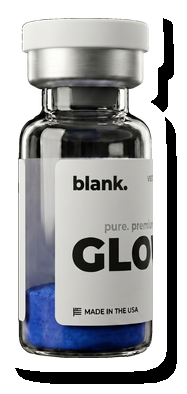
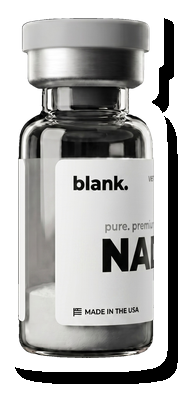
Selecting the right peptide blend depends on the biology being studied. In a side-by-side look at glow vs wolverine blends, the two products occupy distinct research niches: GLOW centers on skin biology and collagen-related pathways, while the Wolverine Blend targets tissue repair and musculoskeletal recovery models. Both are manufactured at our cGMP facility in the USA and meet the same purity threshold, but they answer fundamentally different experimental questions.
GLOW: A Copper Peptide Blend for Skin Biology Research
GLOW’s research foundation lies in GHK-Cu — glycine-histidine-lysine complexed with copper — a tripeptide found naturally in human plasma and one of the more studied compounds in dermatological and skin biology research. GHK-Cu was first isolated in the 1970s and has accumulated a research record spanning wound healing, collagen synthesis modulation, and antioxidant activity in cellular models.
The compound’s mechanism centers on its interaction with copper transport and the extracellular matrix. In fibroblast studies, GHK-Cu has been shown to upregulate collagen and glycosaminoglycan synthesis. Other preclinical work has focused on its effects on gene expression profiles related to skin structure and repair — notably a 2010 paper in the Archives of Dermatological Research documented GHK-Cu’s influence on 4,000-plus human genes in aged skin tissue samples.
The GLOW blend is suited to investigators studying cosmetic peptide efficacy, aging biology at the cellular level, or the mechanisms underlying dermal remodeling. Researchers comparing copper peptide activity across multiple formulations should also review KLOW, which offers a related copper-peptide focused option for side-by-side comparison. For GHK-Cu in standalone form, the individual compound provides a controlled single-variable reference point alongside the blended formulation.
Storage for GLOW: −20°C for long-term preservation, 2–8°C during active research use. Repeated freeze-thaw cycles should be avoided to protect compound integrity.
Wolverine Blend: Tissue Repair and Recovery Research
The Wolverine Blend combines BPC-157 (Body Protection Compound 157) with TB-500 (a synthetic thymosin beta-4 analogue). Their co-formulation reflects a pattern in the published literature: these two peptides appear together in animal studies more often than most other research peptide pairs, particularly in models involving musculotendinous injury.
BPC-157 is a pentadecapeptide derived from a gastric protective protein. Its research history is concentrated in gastrointestinal repair, angiogenesis, and inflammatory signaling in rodent models. TB-500’s research profile focuses on actin regulation — specifically its role in cell migration and systemic recovery markers after tissue stress.
When the experimental question involves tendon repair, muscle fiber recovery after injury, or the inflammatory response to musculoskeletal stress, BPC-157 and TB-500 together offer a dual mechanism worth studying. Peer-reviewed studies on their co-administration in rat models go back to the 2000s. That accumulated literature is what the Wolverine Blend’s profile rests on.
Storage requirements match GLOW: −20°C long-term, 2–8°C for short-term use during active protocols.
What Separates the Two in Study Design
The simplest way to distinguish GLOW and Wolverine in study design: follow the biology.
GLOW belongs in skin biology, collagen research, and aesthetic peptide studies. Researchers investigating GHK-Cu’s role in dermal gene expression, comparing formulated blends against standalone copper peptides, or studying extracellular matrix remodeling will find GLOW’s profile directly applicable. The compound’s copper-carrying mechanism is specific to dermal and wound-healing models in ways that distinguish it sharply from repair-focused peptide blends.
Wolverine belongs in recovery and repair models. Researchers building protocols around tissue regeneration, musculoskeletal injury response, or the additive effects of combining BPC-157 and TB-500 will find more relevant published literature supporting the Wolverine formulation. Over 30 published papers have specifically examined BPC-157/TB-500 co-administration in animal models since 2005.
Both blends are tested to >99% purity. Batch documentation includes bacterial endotoxin testing results from Freedom Diagnostics and Horizon Analytical, and a full certificate of analysis ships with every order. Processing time is within 1 business day.
Frequently Asked Questions
What is the core research distinction between glow vs wolverine blend?
GLOW is built around GHK-Cu and is used for skin biology, collagen synthesis, and aesthetic peptide research. The Wolverine Blend combines BPC-157 and TB-500, studied in the context of tissue repair, musculoskeletal recovery, and inflammation models. The two products target entirely different biological pathways and are not interchangeable within a study.
What purity and testing standards apply to both blends?
Both GLOW and the Wolverine Blend are manufactured to >99% purity at our US cGMP facility. Each batch undergoes bacterial endotoxin testing conducted by Freedom Diagnostics and Horizon Analytical, with a full COA provided to the researcher at time of order.
Can a research lab source both products from the same supplier?
Yes. Blank Peptides carries both blends with the same chain-of-custody documentation and purity standards. Consolidating orders through one domestic supplier simplifies COA reconciliation across a multi-compound study. Processing time is within 1 business day for both products, and both ship from our US facility.
All products discussed are for laboratory research use only and are not for human or veterinary use.