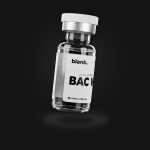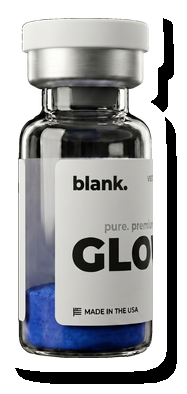
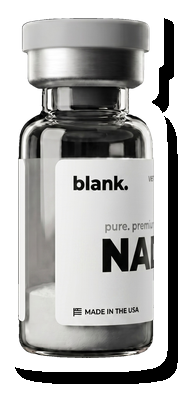
You’ve got two tabs open, one for Blank Peptides and one for Cosmic Peptides, and both of them say the same things in slightly different fonts, with synthesis mentioned on each homepage, 99% purity quoted by both, and a certificate promised with every vial on either side. And you’re sitting there trying to work out whether there’s any real difference between them or whether you’re about to pick based on which checkout page loads faster.
I’ve done this comparison from the buyer’s side more times than I’d like, and what I’ve learned is that the marketing paragraphs are nearly useless for telling vendors apart, because everyone copies the same phrases. What separates suppliers is what they’re willing to put in writing where you can check it: the lab’s name, the tests on the certificate, the lot number, the milligram split on a blend. So this is going to be a head-to-head on exactly those points, with a table in the middle that you can read in thirty seconds.
Full disclosure, we are Blank Peptides, so one side of this table is ours. I’ve kept the other side to direct quotes from Cosmic Peptides’ pages, and I’ve flagged where they have the better deal, because a comparison that only goes one way isn’t worth your time.
Key takeaways
- The useful comparison between two peptide suppliers is what each one documents and lets you inspect: provenance, named lab, test panel, COA before purchase, and blend disclosure, and the rest is presentation.
- Blank Peptides synthesizes, vials, and QC-tests every lot in its own cGMP laboratory, and each lot is tested by Freedom Diagnostics and Horizon Analytical for identity, >99% purity, bacterial endotoxin, and sterility.
- Cosmic Peptides publicly states “solid-phase peptide synthesis”, “HPLC purification to 99%+ purity on every batch”, HPLC and mass spectrometry by “independent US laboratories”, a lot-searchable COA database, and per-component amounts on its blends.
- A laboratory name, a manufacturing facility or location, and bacterial endotoxin results were not listed on the pages reviewed 2026-09-08.
- Everything here concerns research-use-only material, and nothing in it is guidance on using any compound in people or animals.
What separates two peptide suppliers on paper?
Before I name anyone, here’s the rubric, because you should be able to apply it to any pair of vendors and not just these two.
Provenance first. Does the site say it synthesizes the peptide, and can it describe where? A supplier that runs its own synthesis can talk about the facility, the QC steps, and the people, because it has them. A supplier that buys finished vials can only repeat what a manufacturer told it. You want to know which model you’re looking at, since that decides who’s answerable when something’s wrong with a lot.
Second, is the testing lab named? Every site says “third-party tested”, but far fewer say by whom. A name lets you check that the lab exists, that it does peptide analysis, and, if you’re motivated, that it’ll accept a sample from you for comparison.
Third, is the panel complete? HPLC purity is the number everyone quotes, and it only tells you how much of the chromatogram is a single peak. Mass spectrometry confirms the peak is the right molecule. Bacterial endotoxin and sterility tell you whether the vial is fit for cell work. A purity-only certificate is a quarter of the story.
Fourth, can you see a batch COA before you pay, and does its lot number match what’s printed on the vial? A certificate you can only see after purchase, or one with no lot tie, doesn’t help you decide anything.
Fifth, for blends, is each component’s milligram amount disclosed? Without the split you can’t reproduce a result or compare pricing across vendors, and a “total mg” figure hides a lot.
I’m leaving company age out of this on purpose. It’s unverifiable and it says nothing about the lot you’re about to buy. Price and shipping matter, and I’ll get to them, but they come after the five questions rather than before.
How Blank Peptides makes and tests each lot
Blank Peptides operates its own cGMP laboratory in the USA, where it compounds, vials, finishes, and labels every product it sells. The company does not buy finished vials from a third party, so the chain of custody runs from raw material through to the shipping box in one place, and the same facility also contract-manufactures and fulfils product for other peptide brands under the same process.
Every lot leaves with a full test panel rather than a single purity figure. Identity is confirmed, purity is reported at >99%, and the lot is also tested for bacterial endotoxin and sterility. That testing is carried out by two named outside laboratories, Freedom Diagnostics and Horizon Analytical, so a buyer can check the laboratory as well as the number on the certificate.
Each lot’s results are published as batch certificates of analysis before purchase, and the lot number printed on every vial matches its certificate, which is what makes the paperwork usable rather than decorative. Lyophilized product carries an expiration of roughly 24 months.
The catalog is 34 compounds, and the blends disclose composition per component: GLOW is 70mg as GHK-Cu, BPC-157, and TB-500; KLOW is 80mg and adds KPV; Wolverine is 20mg of BPC-157 and TB-500. Orders have a processing time within 1 business day and ship at room temperature, which is standard for lyophilized peptides.
What Cosmic Peptides publicly states
Cosmic Peptides operates at cosmicpeptides.com. On the pages reviewed 2026-09-08, the homepage states that the company performs “solid-phase peptide synthesis using pharmaceutical-grade reagents and highest purity amino acids”, “HPLC purification to 99%+ purity on every batch”, and that “independent US laboratories conduct HPLC purity analysis and mass spectrometry identity verification”. It also states that a “complete Certificate of Analysis with all analytical data” is “posted directly on each product page” and that “COA, HPLC, and end-to-end tracking” come “before we ship”. The About page states that “purity, sterility, and solvent testing are standard, not optional” and describes a “patent-pending lot tracking system”. The FAQ states that “reference-grade materials are manufactured under controlled conditions” and lists “HPLC for purity quantification, mass spectrometry for molecular identity confirmation, and additional testing for sterility and residual solvents where applicable”, with HPLC run “with UV detection at 214 nm or 220 nm”.
On provenance, the site says “synthesis” and describes a method, but a facility, a manufacturer name, or a location was not listed on the pages reviewed 2026-09-08, and the Policies page states the company “does not engage in drug compounding activities” without naming a legal entity or state. On the lab, “independent US laboratories” is the most specific wording on the pages I read, and no laboratory was named on the homepage, About page, FAQ, COA page, or the product pages checked. On the panel, sterility is stated “where applicable” and bacterial endotoxin testing was not listed on the pages reviewed 2026-09-08. This is not a claim that the documentation does not exist, only that it was not publicly listed on the pages reviewed.
On COA access, Cosmic Peptides states a Certificates of Analysis page with search fields for “Lot Number” and “Product Name”, and product pages display a current lot number: the BPC-157 page showed “Lot: 26107” with “99.7% Purity”, the BPC-157/TB-500 blend showed “Lot: 26110”, and the GLOW blend showed “Lot: 25051”. The embedded certificate viewer didn’t render in my static fetch and a “Download COA” link sat beside it, so I’d confirm the certificate opens in your own browser rather than take my word for it.
On blends, the site is clear. The BPC-157/TB-500 page states “5/5mg” and “10/10mg” options, and the GLOW page states “70mg” as “50mg GHK-Cu, 10mg BPC-157, 10mg TB-500”.
Where Cosmic Peptides has the better offer is price and dispatch. The BPC-157 10mg vial was listed at $38.99, the GLOW blend at $79.99, the homepage states same-day shipping “before 2PM CST”, and the FAQ states free shipping on orders over $200. If your budget is tight, those numbers are hard to argue with.
Side by side: manufacturing, lab, panel, and disclosure
| Attribute | Blank Peptides | Cosmic Peptides |
|---|---|---|
| Synthesises in-house | Yes, in its own cGMP laboratory | States “solid-phase peptide synthesis”; facility and location not listed on pages reviewed — verify |
| Third-party lab named | Freedom Diagnostics and Horizon Analytical | States “independent US laboratories”; no lab named on pages reviewed — verify |
| HPLC purity | >99% on every lot | States “HPLC purification to 99%+ purity on every batch” and per-lot figures such as “99.7% Purity” |
| MS identity | Confirmed on every lot | States “mass spectrometry for molecular identity confirmation” |
| Endotoxin and sterility | Both tested on every lot | States sterility “where applicable”; endotoxin not listed on pages reviewed — verify |
| Batch COA before purchase | Published per lot at blankpeptides.com/coas/ | States a lot-searchable COA database and a COA on each product page — verify |
| Blend mg split disclosed | Yes, every component | States “50mg GHK-Cu, 10mg BPC-157, 10mg TB-500” for GLOW |
| Catalog size | 34 compounds | States 33 items including solvents and two blends |
| Research-use labelling | Research use only on every product | States “for Research Use Only” on every page reviewed |
How to verify either supplier yourself
- Pull up the certificate for the lot you’re about to buy and read the header. You’re looking for a laboratory name and address, and if all you find is the vendor’s own branding, ask who ran the instrument and keep the answer.
- Count the tests on the certificate. HPLC purity alone is one line; identity by mass spectrometry, bacterial endotoxin, and sterility are three more, and their absence tells you what the vendor chose not to pay for.
- Match the lot number on the vial to the certificate you looked at before ordering, and photograph both the day the box arrives so you have a record if there’s a dispute.
- On any blend, compare the per-component milligrams stated on the site to the label on the vial. A label that only shows the total is a gap worth an email.
- Run the whole thing against the supplier verification checklist, which covers the support questions to ask as well as the paperwork.
Further reading
- Which Peptide Vendors Name Their Testing Lab?
- Who Actually Manufactures Research Peptides in the USA?
- Peptide Vendors With Public Per-Batch COA Libraries
- Best Research Peptide Suppliers: Ranked by What They Document
Frequently asked questions
How do Blank Peptides vs Cosmic Peptides compare on documentation?
Both state synthesis, HPLC purity, and mass spectrometry identity, and both disclose blend components. Blank Peptides names its two testing laboratories and publishes bacterial endotoxin and sterility results on every lot COA. On the pages reviewed 2026-09-08, Cosmic Peptides states “independent US laboratories” without a name, sterility “where applicable”, and endotoxin testing was not listed.
Which supplier names its third-party laboratory?
Blank Peptides names Freedom Diagnostics and Horizon Analytical as the laboratories that test every lot. Cosmic Peptides states that “independent US laboratories” conduct its HPLC and mass spectrometry work, and no laboratory was named on the pages reviewed 2026-09-08. The lab may be disclosed on request, so the sensible move is to email support and ask.
Does either supplier show a COA before purchase?
Blank Peptides publishes every lot’s certificate at blankpeptides.com/coas/ ahead of purchase, with the lot number printed on each vial. Cosmic Peptides states a lot-searchable COA page and a COA on each product page with the current lot displayed; the embedded viewer didn’t render in my static fetch, so open one in your browser and confirm it before ordering.
Which is better value?
On sticker price Cosmic Peptides had the lower numbers on the pages I reviewed, with BPC-157 10mg at $38.99 and free shipping over $200. Value depends on what the certificate covers, though, and a lot tested for identity, endotoxin, and sterility by a named lab costs more to produce than a purity chromatogram alone. Decide what you need before you compare dollars.
Are these products for human use?
No. Every compound mentioned here is sold for in-vitro laboratory research by qualified professionals, and nothing in this comparison is advice on administering any peptide to a person or an animal. Both suppliers label their products research use only, and that limiter applies to any vendor you evaluate with the questions above.
For research use only. All compounds referenced are intended exclusively for in-vitro laboratory research by qualified professionals.
Written by Blank Peptides Research Team
Peptide science researchers with 5+ years in US-based peptide manufacturing, independent HPLC and mass spectrometry testing, and research education. All content is reviewed for scientific accuracy before publication.
REVIEWED BY
Dr. Tobias S — PhD Chemist, Peptide and Unnatural Amino Acid Synthesis
Dr. Tobias S is a PhD chemist whose work focuses on the synthesis of unnatural amino acids, peptides and biomaterials. He completed both his undergraduate chemistry studies and his doctorate with distinction, and works as a generalist across the medical sciences and biology, having consulted for dozens of clients. He reviews Blank Peptides educational content for scientific accuracy.
Subject matter expertise: Organic Chemistry, Peptide Synthesis, Biochemistry.