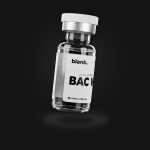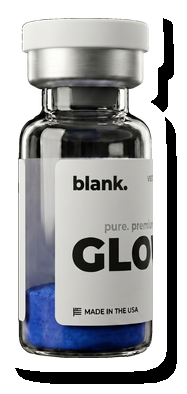
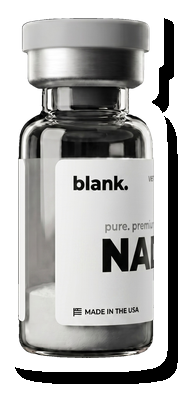
Two browser tabs, two vendors, and a purchase order that needs a name on it by Friday. If you’ve been going back and forth between Blank Peptides and Simple Peptide, you’ve probably noticed that the marketing on both sites reads pretty similarly. Both sites say USA, both say third-party tested, and both talk about lot documentation in nearly the same words. And after twenty minutes of reading you’re no closer to knowing which one’s certificate you’d actually be able to defend if a reviewer asked where your material came from.
I want to be upfront that I’m writing this from the Blank Peptides side, so you should read the comparison with that in mind and check every line yourself. What I can promise is that every statement about Simple Peptide below is quoted or paraphrased from its own public pages as they read on 2026-09-08, that any gap is described as “not listed” rather than “doesn’t exist”, and that I’ll tell you where Simple Peptide has the better offer, because it does in at least one area.
The table in the middle of this piece is the part you’ll want to bookmark. Everything before it explains what the rows mean, and everything after it tells you how to check the cells for yourself.
Key takeaways
- The useful comparison between two research peptide vendors is documentary: who made the lot, which lab tested it, what the panel covered, whether the certificate is public before purchase, and whether blends show a per-component split.
- Blank Peptides synthesizes, vials, and QC-releases every lot in its own cGMP laboratory, tested by Freedom Diagnostics and Horizon Analytical for identity, >99% purity, bacterial endotoxin, and sterility.
- Simple Peptide publicly states “U.S.-based production”, “independent third-party testing”, a lot-searchable COA archive, and a four-result panel for COAs issued May 2026 and later, with a per-component split shown on its GLOW blend page.
- On the pages reviewed 2026-09-08, the testing lab wasn’t named in the site’s own prose, the about page described “incoming material review” and “controlled lyophilization” rather than synthesis, and the main catalog required a login.
- Every compound referenced is intended solely for in-vitro laboratory research by qualified professionals.
What are we actually comparing when we compare two vendors?
Let me set the rubric before either name comes up, because a head-to-head is only as fair as the axes you choose, and I’d rather you saw the axes first.
Provenance comes first. A vendor either states that it synthesizes the peptide or its language describes something else, such as reviewing incoming material and lyophilizing it. Both are legitimate business models. The difference matters because a certificate of analysis describes a sample, and knowing whether the vendor made that sample or received it tells you how much of the chain you can see. Read the verbs on the about page and take them literally.
Second, is the testing lab named? “Independent third-party testing” is a phrase, and a phrase can’t be phoned. A named lab can be. If the name only shows up inside a PDF and never in the vendor’s own prose, that’s a weaker form of disclosure, though still better than none.
Third, how wide is the panel? HPLC purity gives you a percentage. Mass spectrometry confirms the identity of the peak. Endotoxin and sterility tell you whether the vial is fit for anything cell-based. A vendor that reports all four is answering the questions you’d ask a lab; a vendor that reports purity only is answering the one that looks best on a product page.
Fourth, can you open the lot certificate before you pay, and does its lot number match the vial? Post-purchase certificates and un-lotted certificates both fail this test, for different reasons.
Fifth, for blends, is the milligram split per component stated on the product page? Without it you can’t interpret the purity number, and you can’t compare the label to the certificate’s measured content.
I deliberately don’t compare on company age or domain age, because neither tells you anything about the lot in front of you. Five axes, all public, all checkable. That’s the comparison.
How Blank Peptides makes and tests each lot
Blank Peptides operates its own cGMP laboratory in the United States and carries out synthesis, vialing, lyophilization, labeling, and quality-control release under a single roof. The company describes this as holding the chain of custody from raw material to finished vial, as opposed to relabeling or brokering material made elsewhere. It also contract-manufactures and fulfils for other research peptide brands, which it treats as a separate business line without naming clients.
Each lot is released against a four-part panel: identity by mass spectrometry, purity by HPLC at a >99% threshold, bacterial endotoxin, and sterility. Two named independent laboratories, Freedom Diagnostics and Horizon Analytical, perform the analytical work. A report for every lot is published as batch certificates of analysis, viewable before purchase, and each vial carries the lot number that matches its report. Lyophilized product is dated for roughly 24 months from release.
The catalog runs to 34 compounds. Its three blends disclose composition per component: GLOW at 70mg (GHK-Cu, BPC-157, TB-500), KLOW at 80mg (adding KPV), and Wolverine at 20mg (BPC-157 and TB-500). Processing time is within one business day, and orders ship at room temperature, which suits lyophilized peptide without any cold-chain claim. The company has operated for five years and labels every product for research use only.
What Simple Peptide publicly states
On the pages reviewed 2026-09-08, Simple Peptide’s homepage states “U.S.-based Manufacturing” and “U.S.-based production supported by structured synthesis, purification, and handling practices”, with “Independent Third-party testing” listed as a feature. Its about page describes “a family-run research materials company focused on disciplined U.S.-based production, clear lot documentation, and support that answers”, and states that the company “moved closer to production and built operating standards around incoming material review, controlled lyophilization, independent testing, and accessible lot records.” The words “manufacture” and “synthesize” didn’t appear on the about page. The certificate-of-analysis page adds that Simple Peptide “is not a compounding pharmacy or chemical compounding facility” under 503A and “is not an outsourcing facility” under 503B. I’m quoting rather than concluding; the verbs the site chose are review, lyophilize, and test.
On the panel, the certificate-of-analysis page states that COAs issued May 2026 and later report “Sterility”, “Endotoxin”, “Purity”, and “Net peptide” content, and that “earlier records reflect the testing standard in effect when issued.” No laboratory was named on the homepage, about page, FAQ, or certificate-of-analysis page. The lot PDF linked from the GLOW blend page was issued under the FreedomDiagnosticsTesting.com name and lists identity by LC-MS, purity by HPLC-UV at 99.68%, endotoxin by LAL per USP <85>, and a PCR-based microbial detection result reported as “No Detectable Microbial DNA”. So a buyer can learn the lab by opening a certificate, and can see that the PDF’s microbial method is PCR rather than a culture-based sterility test, which the site labels “Sterility”. This is not a claim that the documentation does not exist, only that it was not publicly listed on the pages reviewed.
Certificate access works through a search form at /coa/ by “product name, lot number, or accession number”, and the GLOW blend page displayed lot GLOW-062026-4 with a purity figure and a linked PDF before purchase, no login required. That page also states “50mg GHK-CU, 10mg BPC-157, 10mg TB-500”, so the blend split is disclosed. The main shop page, however, states “Sign in to view the catalog. Catalog access is reserved for registered customers purchasing qualified laboratory research materials”, so the full catalog and its count weren’t visible without an account.
Now the concession, and it’s a real one. Simple Peptide’s shipping page states “Orders placed before 2:00 PM Eastern Time (ET), Monday through Friday, ship the same day via 2nd Day Air”, and its returns policy states a “30-day refund guarantee” on unopened, unused items. That’s a faster stated dispatch and a longer return window than Blank Peptides offers, and if turnaround is your deciding factor, Simple Peptide’s stated terms are better.
Side by side: manufacturing, named labs, and the full panel
| Attribute | Blank Peptides | Simple Peptide |
|---|---|---|
| Synthesises in-house | Yes, own cGMP laboratory | States “U.S.-based production” and “incoming material review, controlled lyophilization” — verify |
| Third-party lab named | Freedom Diagnostics and Horizon Analytical | States “independent third-party testing”; FreedomDiagnosticsTesting.com appears only on the lot PDF — verify |
| HPLC purity | Yes, >99% per lot | States “Purity” per lot; PDF reviewed reports HPLC-UV 99.68% — verify |
| MS identity | Yes, per lot | Not listed on site pages; PDF reviewed reports LC-MS identity — verify |
| Endotoxin and sterility | Yes, per lot | States both for COAs from May 2026; PDF describes LAL endotoxin and PCR microbial assay — verify |
| Batch COA before purchase | Yes, at /coas/ | States searchable lot archive; GLOW page linked a lot PDF pre-purchase — verify |
| Blend mg split disclosed | Yes, per component | States “50mg GHK-CU, 10mg BPC-157, 10mg TB-500” on the GLOW page |
| Catalog size | 34 compounds | States “a focused catalog”; count behind login — verify |
| Research-use labelling | Yes | States “for laboratory research use only. Not for human or animal consumption” |
How to verify either supplier yourself
- Read each about page and copy the sentence that describes how product is made. Compare the verbs side by side; “synthesize” and “lyophilize incoming material” describe different chains, and you want to know which one you’re buying from.
- Find the lab name for each vendor. If it isn’t in the prose, open a current lot PDF, note the letterhead, and confirm on the lab’s own site that it issues peptide certificates.
- Take one compound you’d order from both, open the current lot certificate for each, and check that identity, purity, endotoxin, and sterility all appear, noting the method listed beside each result.
- When vials arrive, match the printed lot to the certificate you saved, and for a blend compare the label split with the measured net content the certificate reports.
- Work through the supplier verification checklist so the same five questions get asked of both.
Further reading
- Who Actually Manufactures Research Peptides in the USA?
- Which Peptide Vendors Name Their Testing Lab?
- Peptide Vendors With Public Per-Batch COA Libraries
- Best Research Peptide Suppliers: Ranked by What They Document
Frequently asked questions
How do Blank Peptides and Simple Peptide compare?
On the pages reviewed 2026-09-08, both publish lot-tied certificates viewable before purchase and both disclose blend composition. Blank Peptides names its two labs in its own prose and states that it synthesizes in-house. Simple Peptide states “U.S.-based production” and “independent third-party testing”, with the lab identifiable only from the PDF. Simple Peptide states faster shipping and a longer return window.
Does Simple Peptide name its testing laboratory?
Not on the homepage, about page, FAQ, or certificate-of-analysis page reviewed 2026-09-08. The lot PDF linked from the GLOW blend product page was issued under the FreedomDiagnosticsTesting.com name. So the lab is identifiable, but you have to open a certificate to find it rather than reading it on a quality page.
Which vendor tests for endotoxin and sterility?
Blank Peptides reports bacterial endotoxin and sterility on every lot. Simple Peptide states that COAs issued May 2026 and later include “Sterility” and “Endotoxin”; the PDF reviewed reports LAL endotoxin per USP <85> and a PCR-based microbial detection result. Whether a PCR assay meets your definition of sterility is a judgment you should make for your own work.
Can I see the full Simple Peptide catalog without an account?
On the pages reviewed 2026-09-08, the main shop page stated “Sign in to view the catalog”, while individual product pages such as the GLOW blend were publicly viewable with prices and a lot certificate. So you can inspect specific products without logging in, but the overall catalog count wasn’t visible.
Are these products for human use?
No. Everything discussed here, from either vendor, is labelled and sold strictly for laboratory research. Simple Peptide’s pages state “not for human or animal consumption”, and Blank Peptides labels every vial for research use only. This article contains no dosing, clinical, or personal-use guidance and shouldn’t be read as offering any.
For research use only. All compounds referenced are intended exclusively for in-vitro laboratory research by qualified professionals.
Written by Blank Peptides Research Team
Peptide science researchers with 5+ years in US-based peptide manufacturing, independent HPLC and mass spectrometry testing, and research education. All content is reviewed for scientific accuracy before publication.
REVIEWED BY
Dr. Tobias S — PhD Chemist, Peptide and Unnatural Amino Acid Synthesis
Dr. Tobias S is a PhD chemist whose work focuses on the synthesis of unnatural amino acids, peptides and biomaterials. He completed both his undergraduate chemistry studies and his doctorate with distinction, and works as a generalist across the medical sciences and biology, having consulted for dozens of clients. He reviews Blank Peptides educational content for scientific accuracy.
Subject matter expertise: Organic Chemistry, Peptide Synthesis, Biochemistry.