You’ve got two tabs open. One is Sports Technology Labs, the other is Blank Peptides, and you’re trying to work out whether there’s any real difference between them or whether you’re just picking a logo. Both sites say the words “third-party tested.” Both show purity numbers in the high nineties. And if you’ve read enough vendor pages, you know that those two things are table stakes now, so they don’t get you anywhere.
I want to make this comparison useful rather than a sales page, so I’m going to be strict about method. Everything I say about Sports Technology Labs comes from what their site publicly stated on the pages I reviewed on 2026-09-08, and I’ll attribute it every time. Everything I say about Blank Peptides is written the way an outside reviewer would write it. Where either vendor has a real advantage, I’ll say so, including where it’s the other one.
The point of a head-to-head is the table in the middle of this post. The rest is context so the table makes sense.
Key takeaways
- A fair comparison between research peptide suppliers runs on five documented facts: who synthesizes, which lab tested, how wide the panel is, whether a lot-numbered COA is public before purchase, and whether blend components are disclosed.
- Blank Peptides synthesizes and finishes every lot in its own cGMP laboratory and sends each lot to Freedom Diagnostics and Horizon Analytical for identity, >99% purity, bacterial endotoxin, and sterility.
- Sports Technology Labs publicly states that MZ Biolabs and Colmaric Analyticals perform HPLC purity and mass spectrometry, that its products are “Bottled in the USA,” and that it carries 68 listings across SARMs and peptides.
- Who synthesizes the peptides, endotoxin and sterility results, and lot numbers on the public COA listings were not listed on the Sports Technology Labs pages reviewed 2026-09-08.
- Every compound from either supplier is for in-vitro research use only, and nothing in this comparison changes that.
What actually separates two peptide suppliers?
Let me set the rubric before either company gets scored, because if you don’t fix the criteria first, you end up grading on whichever thing a vendor happens to be good at.
The first question is provenance. A company that synthesizes its own material can trace a vial back through every step. A company that bottles, packages, or supplies material made elsewhere may still be doing careful work, but there is an upstream manufacturer whose name you don’t have. You find the answer in the verbs on the about page and the product pages, and I’d encourage you to read those verbs literally.
The second question is whether the testing laboratory is named. This one is binary. Either there’s a lab with a name and a location that you can contact independently, or there’s a phrase like “accredited third-party lab” that can’t be checked.
The third question is the width of the panel. HPLC purity is one measurement. Mass spectrometry confirms the material is the peptide the label says. Bacterial endotoxin and sterility tell you whether the vial is fit for the kind of cell-based work most researchers are doing. Four results and one result are different levels of assurance, even if the purity number is identical.
The fourth question is whether the batch COA is public before purchase and carries a lot number that also appears on the vial. A public certificate with no lot number is a sample of the company’s testing rather than evidence about your vial.
The fifth question applies to blends. If two or three peptides are sold together, is the mg of each disclosed?
I don’t score on company age or domain age, and I’d suggest you don’t either. Neither one tells you anything about the material.
How Blank Peptides makes and tests each lot
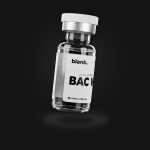
Blank Peptides is a US manufacturer rather than a distributor, and the distinction is structural. The company operates its own cGMP laboratory where it synthesizes each compound, fills and lyophilizes the vials, applies the labels, and runs in-house quality control before a lot is released. Because raw material, synthesis, filling, and finishing happen under one company’s control, the chain of custody for any given vial is a single internal record. The same laboratory also contract-manufactures and fulfils for other peptide brands, which places it upstream of part of the market rather than downstream of it.
Release testing is independent. Every lot is sent to two named laboratories, Freedom Diagnostics and Horizon Analytical, for a four-part panel: identity by mass spectrometry, HPLC purity against a >99% specification, bacterial endotoxin, and sterility. Results are published per lot as batch certificates of analysis, and each vial is labelled with the lot number that matches its certificate. A buyer can therefore pull the document for the specific vial received rather than a representative example.
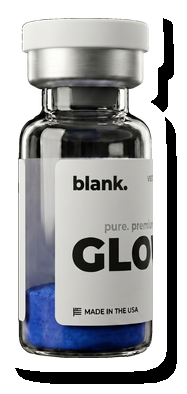
The catalog holds 34 compounds, including three blends whose composition is disclosed per component: GLOW 70mg (GHK-Cu, BPC-157, TB-500), KLOW 80mg (the same three plus KPV), and Wolverine 20mg (BPC-157, TB-500). Lyophilized product carries an expiration of approximately 24 months. Processing time is within one business day, and shipping is at room temperature, which is the correct handling for lyophilized peptides. The company has been in business for five years.
What Sports Technology Labs publicly states
Everything below comes from the Sports Technology Labs website as reviewed on 2026-09-08, and I’ve kept to what the pages say rather than what I might guess.
On provenance, the homepage states products are “Bottled in the USA.” The about page describes the company as a supplier “proudly based in the United States,” lists a Connecticut address, and refers to “USP-Grade Solvents” and “Medical-Grade Glass.” The BPC-157 product page states the peptide is “produced synthetically for laboratory use” and “packaged in America.” A statement that Sports Technology Labs synthesizes the peptides itself, or naming who does, was not listed on the pages reviewed 2026-09-08.
On the laboratory, the about page names two partners. It states that MZ Biolabs in Tucson, Arizona, described as a DEA-licensed facility, performs “HPLC purity analysis and molecular weight confirmation via Mass Spectrometry,” and it names Colmaric Analyticals, LLC for “ISO-accredited methodologies.” Product pages attribute batch results to MZ Biolabs. This satisfies the named-lab row of the rubric, and it’s a row a lot of vendors fail.
On the panel, the site states HPLC purity and mass spectrometry. The about page states “our SARMs are minimum 98% pure, and our Peptides are minimum 96-99% pure,” and the BPC-157 page states “Batch-tested to 99.43% (HPLC); minimum 98%.” Bacterial endotoxin and sterility results were not listed on the pages reviewed 2026-09-08.
On COAs, the site maintains a public COA page showing product names, test dates, and purity percentages, viewable without a purchase, with dates ranging from January 2025 to June 2026 and roughly 18 peptide entries alongside the SARMs. Lot or batch numbers were not visible on that page as reviewed 2026-09-08, though product pages refer to a “Most recent batch certificate of analysis” and describe certificates as “batch-linked.” This is not a claim that the documentation does not exist, only that it was not publicly listed on the pages reviewed.
On blends, their stacks ship as separate vials. The Glow Stack page states 5 mg BPC-157, 5 mg TB-500, and 50 mg GHK-Cu, each in its own vial with its own HPLC figure, and the Wolverine Stack page states 5 mg of each peptide.
Now the concession, and it’s a real one. Sports Technology Labs states 68 listings across liquid SARMs, SARM powders, peptides, and stacks, free US shipping over $149, shipping “within one business day,” and a 60-day exchange on unused items. That’s a wider catalog and a longer exchange window than a 34-compound peptide manufacturer offers, and if you buy both SARMs and peptides, one checkout is a genuine convenience.
Side by side: manufacturing, named labs, and panel width
| Attribute | Blank Peptides | Sports Technology Labs |
|---|---|---|
| Synthesises in-house | Yes, own cGMP laboratory, single chain of custody | States “Bottled in the USA” and “packaged in America”; synthesis source not listed — verify |
| Third-party lab named | Freedom Diagnostics and Horizon Analytical | States MZ Biolabs (Tucson, AZ) and Colmaric Analyticals, LLC |
| HPLC purity | >99% per lot | States minimum 98% SARMs, 96-99% peptides; batch figures shown on product pages |
| MS identity | Every lot | States “molecular weight confirmation via Mass Spectrometry” at MZ Biolabs |
| Endotoxin and sterility | Every lot | Not listed on pages reviewed 2026-09-08 — verify |
| Batch COA before purchase | Yes, lot-numbered, at blankpeptides.com/coas/ | States a public COA page with test dates; lot numbers not visible — verify |
| Blend mg split disclosed | Yes, per component in one vial (GLOW, KLOW, Wolverine) | States per-vial mg for stacks sold as separate vials |
| Catalog size | 34 compounds | States 68 listings including SARMs, powders, and peptides |
| Research-use labelling | Yes | States “for research purposes only and are not for human consumption” |
Reading it row by row, the two suppliers agree on more than you might expect. Both name their labs, both use HPLC and MS, both label for research use, and both sell a BPC-157 and TB-500 combination with the mg disclosed. The rows that split them are provenance and panel width. One states it synthesizes and finishes in-house and publishes endotoxin and sterility per lot; the other states bottling and packaging in the USA and publishes purity and identity. Which of those gaps matters depends on your work, and I’d rather you decide that than have me decide it for you.
How to verify either supplier yourself
- Pull one certificate from each supplier’s COA page and check for four things on the document itself: the lab’s name, a lot number, a test date, and the method. Then match the lot number to a vial label.
- Contact each named laboratory using details from the lab’s own website, and ask whether they issued the certificate you’re holding.
- Read the about page and one product page for provenance verbs. “Synthesizes,” “manufactures,” “bottles,” and “supplies” are four different claims, and a company usually uses the most specific one it can support.
- Email support and ask, in plain words, whether bacterial endotoxin and sterility are tested per lot and where those results can be seen.
- Score both against the supplier verification checklist so the comparison is on the same rows.
Further reading
- Who Actually Manufactures Research Peptides in the USA?
- Which Peptide Vendors Name Their Testing Lab?
- Peptide Vendors With Public Per-Batch COA Libraries
- Best Research Peptide Suppliers: Ranked by What They Document
Frequently asked questions
How do Blank Peptides and Sports Technology Labs compare?
On the pages reviewed 2026-09-08, both name their testing labs and both state HPLC and mass spectrometry. Blank Peptides synthesizes in its own cGMP laboratory and publishes lot-numbered COAs covering identity, >99% purity, endotoxin, and sterility. Sports Technology Labs states bottling in the USA, HPLC and MS results, a public COA page, and a wider catalog that includes SARMs.
Which labs does each supplier name?
Blank Peptides names Freedom Diagnostics and Horizon Analytical as the laboratories that test every lot. Sports Technology Labs states on its about page, as reviewed 2026-09-08, that MZ Biolabs in Tucson, Arizona performs HPLC and mass spectrometry, and it also names Colmaric Analyticals, LLC. Both companies clear the named-lab bar, which is the row most vendors miss.
Does either supplier publish endotoxin and sterility results?
Blank Peptides publishes bacterial endotoxin and sterility results on every lot’s certificate. Endotoxin and sterility results were not listed on the Sports Technology Labs pages reviewed 2026-09-08. This is not a claim that the documentation does not exist, only that it was not publicly listed on the pages reviewed, so ask them directly if it matters to you.
Who has the bigger catalog?
Sports Technology Labs, and it’s a fair advantage. Their shop states 68 listings across liquid SARMs, SARM powders, peptides, and stacks, plus a 60-day exchange on unused items and free US shipping over $149. Blank Peptides carries 34 compounds, all peptides, with three blends whose per-component mg is disclosed on the product page.
Are these products for human use?
No. Every compound from either supplier discussed here is intended exclusively for in-vitro laboratory research by qualified professionals. Purity percentages, named laboratories, and testing panels describe the material’s documentation and nothing else. They don’t alter the research-use-only status, and neither supplier’s site should be read as suggesting otherwise.
For research use only. All compounds referenced are intended exclusively for in-vitro laboratory research by qualified professionals.
Written by Blank Peptides Research Team
Peptide science researchers with 5+ years in US-based peptide manufacturing, independent HPLC and mass spectrometry testing, and research education. All content is reviewed for scientific accuracy before publication.
REVIEWED BY
Dr. Tobias S — PhD Chemist, Peptide and Unnatural Amino Acid Synthesis
Dr. Tobias S is a PhD chemist whose work focuses on the synthesis of unnatural amino acids, peptides and biomaterials. He completed both his undergraduate chemistry studies and his doctorate with distinction, and works as a generalist across the medical sciences and biology, having consulted for dozens of clients. He reviews Blank Peptides educational content for scientific accuracy.
Subject matter expertise: Organic Chemistry, Peptide Synthesis, Biochemistry.