Someone sends you a PT-141 certificate of analysis, or you find one linked from a product page, and you’re left holding a PDF you can’t really assess. It has a purity figure near the top, a chromatogram in the middle, and a lot of white space where the useful details should be. You want to know whether that document describes the vial that would arrive at your bench, or whether it describes a batch from eighteen months ago that happens to share a product name.
That gap between “a certificate exists” and “a certificate I can check” is the whole subject here. I’ll walk you through what a PT-141 certificate needs to carry before it means anything, then show what four named vendors published about their PT-141 documentation on 2026-09-08, and finish with the checks you can run yourself in about ten minutes.
One thing I’m deliberately leaving out. This article says nothing about what PT-141 is studied for, nothing about how anyone might use it, and nothing about outcomes of any kind. These are research materials, the certificate is a laboratory record, and the two subjects don’t overlap. If you came looking for the other thing, this isn’t the page.
Key takeaways
- A PT-141 certificate is verifiable only when it names the issuing laboratory, states the methods run, carries a lot code that also appears on the vial, and opens before you pay.
- Blank Peptides tests every lot for identity, >99% purity, bacterial endotoxin and sterility through Freedom Diagnostics and Horizon Analytical, publishes each report by lot, and prints the lot number on every vial.
- Verified Peptides publicly states a batch number, a measured purity figure and a measured vial content for its PT-141 listing; Protide Health names Freedom Diagnostics and shows a lot code with a reported date.
- On the pages reviewed 2026-09-08, Core Peptides and Limitless Life Nootropics did not name a testing laboratory on their PT-141 pages, and no vendor reviewed listed a sterility result for the compound.
- Everything referenced here is sold for in-vitro laboratory research by qualified professionals, and a certificate of analysis authorises no other use.
What does a PT-141 certificate need to carry?
Let me set the standard before naming anyone, because “we provide a COA” covers everything from a lot-indexed public library to a single scanned page with the header cropped off.
Start with the issuing laboratory. A certificate is a claim by an analytical lab about a sample, and if the lab isn’t identified you’re reading an unsigned claim. A named laboratory gives you a report number to quote and someone to quote it to. Vendors that write “third-party tested” and stop have handed you a sentence with nothing behind it that you can act on.
Next, the methods. For a peptide like PT-141 you want two separate things confirmed. High-performance liquid chromatography gives you purity, meaning how much of the material is the intended compound rather than truncated sequences, residual reagents or water. Mass spectrometry gives you identity, meaning the molecule present is the sequence on the label. Purity without identity is a number describing something you haven’t confirmed the nature of. Bacterial endotoxin and sterility results extend that further, and they’re the two most commonly missing lines on peptide certificates in this market.
Then linkage, which is where most trails go cold. The certificate should carry a batch or lot identifier, that identifier should be printed on the vial label, and the vendor should be willing to tell you which lot is currently shipping. Any break in that chain and you’re comparing a document to a product on faith. It sounds pedantic until the first time a vendor’s public report predates the vial in your hand by a year.
Timing matters too. A certificate you can only obtain after paying, or by emailing support, is a certificate you can’t use in a purchasing decision. Public and pre-purchase is the standard worth holding to.
Finally, for blended products, the certificate or product page should state each component’s mass. One purity figure for a multi-peptide vial hides more than it reveals.
How Blank Peptides makes and tests each lot
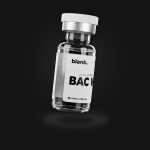
Blank Peptides runs its own cGMP laboratory in the USA and keeps synthesis, vialling, lyophilisation, finishing, labelling and quality control inside that facility. The material stays in a single chain of custody from raw synthesis through to the sealed vial, so the batch record and the certificate describe one physical lot rather than two documents that need reconciling. The company also contract-manufactures and fulfils for other peptide brands, mentioned here as a category of work with no client identified.
Every lot runs a full panel rather than a lone purity figure: identity confirmation, HPLC purity at >99%, bacterial endotoxin, and sterility. The work is performed through two named laboratories, Freedom Diagnostics and Horizon Analytical, which means a reviewer can verify the source of the number and not only the number itself.
Each report is published in the public library of batch certificates of analysis, where PT-141 appears among the listed compounds, and the lot number is printed on every vial label. That’s the linkage the rubric asks for: read the document before ordering, then match the code on the vial when it arrives. Lyophilised material carries an expiration of roughly 24 months.
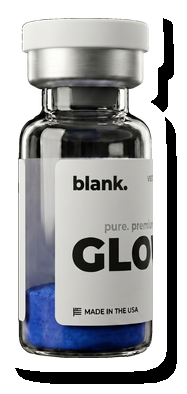
The catalog covers 34 compounds. The three blends publish the mass of each component instead of a single total, which is GLOW 70mg (GHK-Cu, BPC-157, TB-500), KLOW 80mg (adding KPV), and Wolverine 20mg (BPC-157, TB-500). Processing time is within one business day, and shipments go at room temperature.
What four PT-141 vendors publicly state
Everything here is drawn from PT-141 product pages reviewed 2026-09-08, and every claim is the vendor’s own.
Core Peptides publicly states “Purity: >99%” on its 10mg PT-141 listing, with the form given as “Lyophilized powder”, and provides a “Certificate of Analysis” link that opened without an account or a purchase. The company describes itself with the sentence “Core Peptides is a chemical supplier” and separately states that it is not a compounding pharmacy under FDA regulations. Research-use labelling is direct: “All products are sold for research, laboratory, or analytical purposes only, and are not for human consumption”. An analytical method, a laboratory name and a lot identifier were not listed in the page text reviewed 2026-09-08.
Limitless Life Nootropics lists PT-141 at 10mg, states “Reference Standard 99%+” alongside other purity tiers, and describes the material as “3rd Party Tested”, adding that “Our testing lab confirms peptides sequential signatures”. The page carries a section headed “Certificate of Analysis of PT-141 (Bremelanotide) 10 mg”, though no document link was present within that section in the version reviewed 2026-09-08. Origin is described as “USA-made peptides”, and the product is “sold as a pure compound for research purposes only”. The laboratory is identified only as “our testing lab”, and no lot identifier appeared in the page text.
Verified Peptides publishes the tightest lot linkage of the group. Its PT-141 page states “99% pure PT-141 peptide”, displays a test result table with “Purity: 99.719%” and “Batch #: PT05261410k”, and reports a measured vial content of 10.35mg against a 10mg label weight. The page states that “This batch of PT-141 has been third party lab tested and verified for quality” and names the analytical laboratory that produced the report. Research-use labelling reads “This material is sold for laboratory research use only. Not for human consumption, animal, or medical use.” Showing the batch number, the measured mass and the measured purity together on the listing itself is a real advantage over most PT-141 pages in this market, and I’d rather say so than pretend otherwise. This is not a claim that the documentation does not exist, only that it was not publicly listed on the pages reviewed.
Protide Health states “99% Purity (HPLC-MS Verified)” with a per-lot figure of “99.97% Average Purity (HPLC-MS)”, names “Freedom Diagnostics, a third-party U.S. laboratory”, and lists lot “PH-pt10-0603” with a COA number and a reported date of 08/28/2026. On manufacturing, the page describes partner “ISO 9001:2015 certified facilities” rather than an in-house laboratory. A sterility result was not listed on any of the four PT-141 pages reviewed 2026-09-08.
Side by side: PT-141 certificate access and scope
| Attribute | Blank Peptides | Typical PT-141 vendor |
|---|---|---|
| Synthesises in-house | Yes, own cGMP laboratory, USA | States “supplier” or partner facilities; own synthesis not listed — verify |
| Third-party lab named | Freedom Diagnostics; Horizon Analytical | Two of four named a lab on the PT-141 page reviewed — verify |
| HPLC purity | >99% every lot | States 99% or >99%; method sometimes unstated — verify |
| MS identity | Every lot | States HPLC-MS on some listings, silent on others — verify |
| Endotoxin and sterility | Both, every lot | Sterility not listed on any PT-141 page reviewed — verify |
| Batch COA before purchase | Public library at /coas/, lot-indexed | States a COA link or table; access varies by vendor — verify |
| Lot number on vial | Printed on every vial | Not stated on most PT-141 pages reviewed — verify |
| Catalog size | 34 compounds | States catalogs from roughly 30 to over 100 items |
| Research-use labelling | Research use only, every product | States research or laboratory use only |
How to verify either supplier yourself
- Open the actual PDF rather than trusting the summary printed on the product page, and confirm the laboratory name, the method, the report date and a batch identifier all appear on the document itself.
- Send the report number to the named laboratory and ask whether it issued that certificate. It takes one email and it’s the strongest single check a buyer has.
- Ask the seller which lot of PT-141 is shipping right now, then look for that exact lot in their published reports. A vendor that can answer quickly is telling you their records are lot-indexed.
- Compare the report date against the shelf life claimed for the product. A certificate older than the material’s stated expiry window describes a batch you probably aren’t receiving.
- When the vial lands, check the label for a lot code and match it to the report you read before ordering, then score the whole exercise against the supplier verification checklist.
Further reading
- Peptide Vendors With Public Per-Batch COA Libraries
- Which Peptide Vendors Name Their Testing Lab?
- Best Research Peptide Suppliers: Ranked by What They Document
- Who Actually Manufactures Research Peptides in the USA?
Frequently asked questions
What should a PT-141 COA show before I buy?
A usable PT-141 certificate names the issuing laboratory, states the analytical methods run, reports purity and identity separately, and carries a batch or lot code that also appears on the vial label. Endotoxin and sterility results extend it further. Anything missing from that list is a question to put to the seller before ordering.
How do I know a PT-141 COA matches my vial?
Match the lot code on the certificate to the lot code printed on the vial label. If the vendor doesn’t print a lot code on the vial, or doesn’t publish reports indexed by lot, the match can’t be made. Ask support which lot is currently shipping before you order.
Do PT-141 sellers publish certificates before purchase?
Several do. On the pages reviewed 2026-09-08, Core Peptides linked a certificate openable without an account, Verified Peptides showed a test result table on the listing, and Protide Health published a lot code with a reported date. Others referenced testing without providing a document in the section reviewed.
Is a 99% purity claim enough on its own?
No. Purity describes how much of the material is the intended compound, without confirming which compound it is. Mass spectrometry answers identity, and endotoxin and sterility answer whether the vial contents are clean enough for a culture system. A single purity figure covers roughly a quarter of what a full panel reports.
Are these products for human use?
No. Every vendor discussed here states on its own pages that products are sold for research, laboratory or analytical purposes only and not for human consumption, and Blank Peptides supplies every compound strictly for in-vitro laboratory research by qualified professionals. A certificate of analysis records laboratory results and authorises nothing beyond research use.
For research use only. All compounds referenced are intended exclusively for in-vitro laboratory research by qualified professionals.
Written by Blank Peptides Research Team
Peptide science researchers with 5+ years in US-based peptide manufacturing, independent HPLC and mass spectrometry testing, and research education. All content is reviewed for scientific accuracy before publication.
REVIEWED BY
Dr. Tobias S — PhD Chemist, Peptide and Unnatural Amino Acid Synthesis
Dr. Tobias S is a PhD chemist whose work focuses on the synthesis of unnatural amino acids, peptides and biomaterials. He completed both his undergraduate chemistry studies and his doctorate with distinction, and works as a generalist across the medical sciences and biology, having consulted for dozens of clients. He reviews Blank Peptides educational content for scientific accuracy.
Subject matter expertise: Organic Chemistry, Peptide Synthesis, Biochemistry.