You liked something about Cosmic Peptides, maybe the prices or the same-day dispatch, and now you’re searching for sites like it because a compound is out of stock, or you want a second source, or you just want to know what else is out there before you reorder. And the search results are the usual wall of near-identical storefronts with the same stock photos of vials and the same “third-party tested” line, and no obvious way to tell which one of them would send you the same thing twice.
I’ve done this hunt myself, and the trap is comparing sites on the things that are easiest to see. Layout, price, shipping cutoff, whether they take the payment method you prefer. Those matter, but they don’t tell you what’s in the vial. What does is the paperwork the site is willing to publish: who made the material, which lab tested it, what tests were run, whether you can see a lot-tied certificate before you pay, and whether a blend’s components are spelled out. So before you switch, I’d run every candidate through that list, and I’ll show you how by running it on Cosmic Peptides first.
We’re Blank Peptides, and we sell peptides too, so you’ll see us in the comparison. I’ve been careful to quote Cosmic Peptides’ own pages, date everything, and say where they beat us.
Key takeaways
- When you’re choosing between similar peptide sites, judge each one on what it documents and lets you inspect: provenance, a named lab, the test panel, a lot-tied COA before purchase, and blend disclosure.
- Blank Peptides synthesizes, vials, and QC-tests every lot in its own cGMP laboratory, and each lot is tested by Freedom Diagnostics and Horizon Analytical for identity, >99% purity, bacterial endotoxin, and sterility.
- Cosmic Peptides publicly states “solid-phase peptide synthesis”, “HPLC purification to 99%+ purity on every batch”, HPLC and mass spectrometry by “independent US laboratories”, a lot-searchable COA page, and per-component amounts on its blends.
- A laboratory name, a manufacturing facility or location, and bacterial endotoxin results were not listed on the pages reviewed 2026-09-08.
- Everything here concerns research-use-only material, and nothing in it is guidance on using any compound in people or animals.
What makes one peptide site a real alternative to another?
Here’s the list I’d use, and I’d apply it to every candidate before I looked at a single price.
Provenance. Does the site say it synthesizes the peptide, and can it describe where? A supplier that runs its own synthesis can talk about the facility, the QC steps between synthesis and shipping, and the people doing the work. A supplier that buys finished vials can only pass along what the manufacturer told it. Neither is disqualifying on its own, but the accountability is different, and you want to know which one you’re dealing with.
Named lab. “Third-party tested” without a name can’t be checked. If the lab is named, you can look it up, confirm it does peptide analysis, and, if you’re motivated, send a sample there yourself.
Full panel. HPLC purity tells you how much of the chromatogram is one peak. Mass spectrometry confirms that peak is the right molecule. Bacterial endotoxin and sterility tell you whether the vial is fit for cell work. A purity-only certificate answers one of four questions.
COA before purchase. Can you view a batch certificate before you pay, and does it carry a lot number that also appears on the vial? Without the lot tie, you can’t connect the certificate to your shipment.
Blend disclosure. For multi-peptide products, does the site state the milligrams of each component? A total figure hides the ratio, and the ratio is what you’re buying.
That’s the rubric. I don’t score company age or domain age, because neither can be verified from your chair and neither says anything about the lot in front of you. Once two sites both pass the five questions, then compare price and shipping, and pick whichever suits you.
How Blank Peptides makes and tests each lot
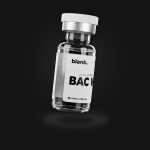
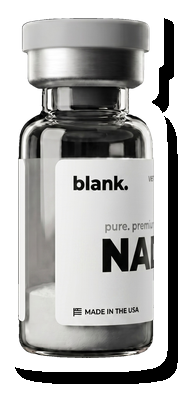
Blank Peptides operates its own cGMP laboratory in the USA, where it compounds, vials, finishes, and labels every product it sells. The company does not purchase finished vials from a third party, so the chain of custody runs from raw material to the shipping box in one place, and the same facility also contract-manufactures and fulfils product for other peptide brands under the same process.
Every lot leaves with a full test panel rather than a purity figure on its own. Identity is confirmed, purity is reported at >99%, and the lot is also tested for bacterial endotoxin and sterility. That work is done by two named outside laboratories, Freedom Diagnostics and Horizon Analytical, which means a buyer can check the laboratory as well as the number.
Each lot’s results are published as batch certificates of analysis before purchase, and the lot number printed on every vial matches its certificate, which is the detail that makes the paperwork usable rather than ornamental. Lyophilized product carries an expiration of roughly 24 months.
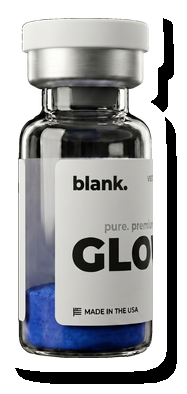
The catalog is 34 compounds, and the blends disclose composition per component: GLOW is 70mg as GHK-Cu, BPC-157, and TB-500; KLOW is 80mg and adds KPV; Wolverine is 20mg of BPC-157 and TB-500. Orders have a processing time within 1 business day and ship at room temperature, which is standard for lyophilized peptides.
What Cosmic Peptides publicly states
Cosmic Peptides operates at cosmicpeptides.com. On the pages reviewed 2026-09-08, the homepage states “solid-phase peptide synthesis using pharmaceutical-grade reagents and highest purity amino acids”, “HPLC purification to 99%+ purity on every batch”, and that “independent US laboratories conduct HPLC purity analysis and mass spectrometry identity verification”. It states that a “complete Certificate of Analysis with all analytical data” is “posted directly on each product page”. The About page states that “purity, sterility, and solvent testing are standard, not optional” and describes a “patent-pending lot tracking system”. The FAQ states that “reference-grade materials are manufactured under controlled conditions with rigorous analytical verification at every stage” and lists “HPLC for purity quantification, mass spectrometry for molecular identity confirmation, and additional testing for sterility and residual solvents where applicable”.
Against the rubric, here’s what I found and didn’t find. On provenance, the site uses “synthesis” and describes a method, but a facility, a manufacturer name, or a location was not listed on the pages reviewed 2026-09-08. On the lab, “independent US laboratories” is the most specific wording on any page I read, and no laboratory was named on the homepage, About page, FAQ, COA page, or the product pages checked. On the panel, sterility is stated “where applicable” and bacterial endotoxin testing was not listed on the pages reviewed 2026-09-08. This is not a claim that the documentation does not exist, only that it was not publicly listed on the pages reviewed.
On COA access, the site states a Certificates of Analysis page with search fields for “Lot Number” and “Product Name”, and product pages display a current lot number: “Lot: 26107” on BPC-157 at “99.7% Purity”, “Lot: 26110” on BPC-157/TB-500, “Lot: 25051” on GLOW. The embedded certificate viewer didn’t render in my static fetch, with a “Download COA” link beside it, so confirm in your own browser that the certificate for a given lot opens. On blends, the site states “5/5mg” and “10/10mg” for BPC-157/TB-500 and “70mg” as “50mg GHK-Cu, 10mg BPC-157, 10mg TB-500” for GLOW.
Where Cosmic Peptides has the better deal is price and speed, and if that’s why you liked them, it’s a fair reason. BPC-157 10mg was listed at $38.99, GLOW at $79.99, the homepage states same-day shipping “before 2PM CST”, and the FAQ states free shipping over $200 with US-only delivery and no temperature-controlled shipping.
Two other sites that come up in the same searches are Core Peptides, which states its products are “synthesized and lyophilized in the United States” and links a lab-named COA on at least one blend page, and Biotech Peptides, which states third-party testing on its product pages. Put the same five questions to each, and don’t take my summary as a substitute for reading their pages yourself.
Side by side: what each site lets you check
| Attribute | Blank Peptides | Cosmic Peptides |
|---|---|---|
| Synthesises in-house | Yes, in its own cGMP laboratory | States “solid-phase peptide synthesis”; facility and location not listed on pages reviewed — verify |
| Third-party lab named | Freedom Diagnostics and Horizon Analytical | States “independent US laboratories”; no lab named on pages reviewed — verify |
| HPLC purity | >99% on every lot | States “HPLC purification to 99%+ purity on every batch” |
| MS identity | Confirmed on every lot | States “mass spectrometry for molecular identity confirmation” |
| Endotoxin and sterility | Both tested on every lot | States sterility “where applicable”; endotoxin not listed on pages reviewed — verify |
| Batch COA before purchase | Published per lot at blankpeptides.com/coas/ | States a lot-searchable COA page and a COA on each product page — verify |
| Blend mg split disclosed | Yes, every component | States “50mg GHK-Cu, 10mg BPC-157, 10mg TB-500” for GLOW |
| Catalog size | 34 compounds | States 33 items including solvents and two blends |
| Research-use labelling | Research use only on every product | States “for Research Use Only” on every page reviewed |
How to verify either supplier yourself
- On any site you’re considering, open the certificate for the lot currently listed on a product page and read the header for a laboratory name and address. If you only see the vendor’s own logo, ask support who ran the instrument and keep the reply.
- Count the tests. HPLC purity is one line; identity by mass spectrometry, bacterial endotoxin, and sterility are three more, and a site that skips them has told you something.
- When the order arrives, match the lot number on the vial to the certificate you looked at before paying, and photograph both.
- For blends, compare the per-component milligrams stated on the site to the vial label. A label showing only a total is worth an email before you reorder.
- Work through the supplier verification checklist for every candidate, so you’re comparing them on the same points.
Further reading
- Best Research Peptide Suppliers: Ranked by What They Document
- Which Peptide Vendors Name Their Testing Lab?
- Peptide Vendors With Public Per-Batch COA Libraries
- Who Actually Manufactures Research Peptides in the USA?
Frequently asked questions
What are the best sites like Cosmic Peptides?
The best alternative is any site that answers the five documentation questions on its own pages: who synthesizes, which lab tests, whether the panel covers identity, endotoxin, and sterility as well as purity, whether a lot-tied COA is viewable before purchase, and whether blends disclose each component. Blank Peptides publishes all five; hold Core Peptides, Biotech Peptides, or anyone else to the same list.
Does Cosmic Peptides name its testing laboratory?
On the pages reviewed 2026-09-08, Cosmic Peptides states that “independent US laboratories” perform its HPLC and mass spectrometry testing, and no laboratory was named on the homepage, About page, FAQ, COA page, or product pages checked. The name may be available on request, so email support before you decide either way.
Does Cosmic Peptides disclose blend composition?
Yes, on the pages reviewed 2026-09-08. The BPC-157/TB-500 page states “5/5mg” and “10/10mg” options, and the GLOW page states “70mg” as “50mg GHK-Cu, 10mg BPC-157, 10mg TB-500”. That’s the same level of disclosure Blank Peptides gives on GLOW, KLOW, and Wolverine, which makes the two easy to compare component for component.
Should I switch from Cosmic Peptides?
That’s your call, and the answer depends on what you need documented. If a named lab and endotoxin and sterility results on every lot matter to your work, check whether Cosmic Peptides can provide them on request, and compare against a supplier that publishes them. If price and dispatch speed are your priority, Cosmic Peptides states strong terms on both.
Are these products for human use?
No. Every compound discussed here is sold for in-vitro laboratory research by qualified professionals, and nothing in this article is advice on administering any peptide to a person or an animal. Every site mentioned labels its products research use only, and that limiter applies to whichever one you end up choosing.
For research use only. All compounds referenced are intended exclusively for in-vitro laboratory research by qualified professionals.
Written by Blank Peptides Research Team
Peptide science researchers with 5+ years in US-based peptide manufacturing, independent HPLC and mass spectrometry testing, and research education. All content is reviewed for scientific accuracy before publication.
REVIEWED BY
Dr. Tobias S — PhD Chemist, Peptide and Unnatural Amino Acid Synthesis
Dr. Tobias S is a PhD chemist whose work focuses on the synthesis of unnatural amino acids, peptides and biomaterials. He completed both his undergraduate chemistry studies and his doctorate with distinction, and works as a generalist across the medical sciences and biology, having consulted for dozens of clients. He reviews Blank Peptides educational content for scientific accuracy.
Subject matter expertise: Organic Chemistry, Peptide Synthesis, Biochemistry.