You probably landed here because something about Pure Rawz changed on you. Maybe you went back to reorder and the product page sent you somewhere else, or the certificate page you’d bookmarked came up empty, or you just read the fine print for the first time and it didn’t say what you expected. Whatever the trigger, you’re now shopping for a replacement and you’d rather not repeat the experience of trusting a storefront and finding out later what it actually was.
I get it, and honestly the frustration is fair. Research peptide storefronts look almost identical from the outside. Same product photos, same category names, same “lab tested” badge in the header. The differences that matter live in the documentation, and most people never read it until something goes wrong.
So rather than hand you a list of ten lookalike stores with affiliate links, I want to give you a way to evaluate any candidate, including us, on the things that determine whether a vial is what its label says. I’ll walk through what Pure Rawz publicly states right now, put it next to what Blank Peptides publishes, and give you a checklist you can run on any third site in under twenty minutes.
Key takeaways
- Judge a replacement by what it documents, in public, before you pay, rather than by how familiar its catalog looks.
- Blank Peptides synthesizes in its own cGMP laboratory and tests every lot for identity, >99% purity, bacterial endotoxin and sterility, with named labs and a batch COA per lot.
- Pure Rawz publicly states, on the pages reviewed 2026-09-08, that it is “an informational and affiliate website” that does “not sell, manufacture, stock, package, ship, or directly supply” the products featured.
- A named testing lab, a current per-lot COA library and a per-component blend split were not listed on the Pure Rawz pages reviewed 2026-09-08.
- Everything discussed here is for in-vitro research use only, and no vendor’s documentation changes that.
What should you check before switching peptide suppliers?
Before I name anyone, here’s the rubric. It’s five questions, and I’d run them in this order because each one only matters if the one before it holds up.
First, provenance. Does the site synthesize what it sells, or does it buy finished or bulk material from someone else and put it in a vial? Neither answer is automatically disqualifying, but a site that won’t tell you which one it is has already told you something. The trick is to look for verbs, since “we manufacture” and “we synthesize” mean one thing. “We source,” “we carry,” “we offer” and “we partner with” mean another, and a site that avoids verbs altogether is the one to be most careful with.
Second, is the testing lab named? “Third-party tested” is a phrase, and a phrase costs nothing. A lab name is a thing you can search, call and cross-check. If a vendor says an independent lab tested a lot, you should be able to find out which lab, and the lab should exist somewhere other than that vendor’s website.
Third, full panel or purity only? Purity by HPLC tells you how much of the sample is the main peak. It doesn’t tell you the main peak is the right molecule, which is what mass spectrometry does, and it says nothing about bacterial endotoxin or sterility. A purity-only certificate is a partial answer presented as a complete one.
Fourth, can you see the batch COA before purchase, and is it tied to a lot number that also appears on the vial? A certificate with no lot number is a brochure. A certificate you can only see after you’ve paid is a receipt.
Fifth, for blends, does the site tell you how many milligrams of each component are in the vial? “BPC-157 + TB-500, 10mg” is not a composition. “5mg BPC-157 and 5mg TB-500” is.
You’ll notice company age and domain age aren’t on this list. Age tells you a site has existed, and that’s all it tells you. I’d rather you spend those twenty minutes on documents than on WHOIS records.
How Blank Peptides makes and tests each lot
Blank Peptides operates its own cGMP laboratory in the USA, and the production chain stays inside that facility from start to finish. The company compounds the peptide, fills and lyophilizes the vials, finishes and labels them, and runs quality control on site, so the chain of custody for any given lot doesn’t pass through a broker or a relabeling step. The same facility also contract-manufactures and fulfils for other peptide brands, which the company describes only as a category of work rather than by client name.
Each lot goes through a four-part panel: identity, >99% purity, bacterial endotoxin and sterility. The company names two outside laboratories for this work, Freedom Diagnostics and Horizon Analytical, and publishes the result for each lot as a certificate on its site. Buyers can review batch certificates of analysis before ordering, and every vial carries a lot number that matches its certificate. Lyophilized product is given an expiration of roughly 24 months.
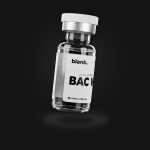
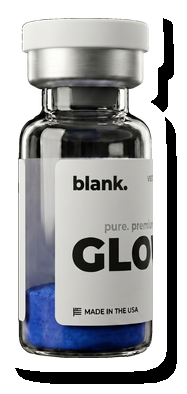
The catalog runs to 34 compounds. Blends are listed with the milligram split for each component: GLOW at 70mg total (GHK-Cu, BPC-157 and TB-500), KLOW at 80mg (the same three plus KPV) and Wolverine at 20mg (BPC-157 and TB-500). Orders are processed within one business day and ship at room temperature. Everything is labeled for research use only, and the company has been operating for five years.
What Pure Rawz publicly states
Now the part you came for, and I want to be careful here, because what I found isn’t what most people expect from a site they remember as a store.
On the pages reviewed 2026-09-08, Pure Rawz describes itself this way on its About page: “an independent online resource created to make information about peptides, supplements, nootropics, research compounds, and other emerging products easier to understand.” The same page states, “We do not manufacture, stock, package, ship, or fulfill orders for the products discussed on this website.” The Terms page goes further and states, “Purerawz is an independent informational and affiliate website. We do not sell, manufacture, stock, package, ship, or directly supply the products discussed or featured on this website.” Both pages disclose that the site “may receive a commission” when a visitor buys through a link to a third-party website.
That’s consistent with what the product pages do. The BPC-157 page and the BPC-157 + TB-500 page both show a price range and a “Read More” link rather than an add-to-cart button, and each links out to a set of external vendors the site names, with coupon codes attached. The peptides category shows 170 listings, and the homepage carries a “COMING SOON” banner stating “More products are on the way.”
On testing, the homepage states the products are “third-party lab-tested compounds” and refers to “independent third-party testing for purity and transparency.” A specific lab, a list of tests and a current certificate library were not listed on the pages reviewed 2026-09-08; the site’s /certificate-of-analysis/ page returned a 404 on that date. I did find an older certificate PDF still hosted on the domain, dated 2023-08-22 for PT-141 lot PRWZ-083, which names MZ Biolabs and states “Mass Spectrometry and UV” with a 99.5% result, with no endotoxin or sterility rows. That’s a three-year-old document, and nothing on the current pages ties it to anything sold through the site today. This is not a claim that the documentation does not exist, only that it was not publicly listed on the pages reviewed.
One more thing worth flagging. The Shipping & Returns page still states “once the package leaves our warehouse” and lists “USPS, UPS, Globalpost” as carriers, which doesn’t match the About and Terms language about not shipping anything. I can’t tell you from the outside which page reflects how things currently run, and you shouldn’t have to guess either.
To be fair, there’s real value on the site. The blog has genuinely useful pieces, including “How to Read a Peptide COA (Real vs Fake)” and “Why Third-Party Testing Is Critical for Research Peptides,” and 170 peptide listings is far broader than most catalogs, ours included. If you want a reference for what exists, it’s a decent one. If you want a vial with a certificate attached, the site states it will send you elsewhere.
Where might it send you? The product pages name vendors like American Peptides and Purity Peptides among their outbound links. I haven’t reviewed those sites for this piece, so I’m not going to characterize them. Run the same five questions on each one before you buy.
Side by side: documentation before purchase
| Attribute | Blank Peptides | Pure Rawz |
|---|---|---|
| Synthesises in-house | Own cGMP laboratory, compounds and vials on site | States it does “not manufacture, stock, package, ship, or directly supply” products |
| Third-party lab named | Freedom Diagnostics and Horizon Analytical | Not listed on current pages; a 2023 PDF names MZ Biolabs — verify |
| HPLC purity | >99% per lot | States “third-party lab-tested”; method not listed on current pages — verify |
| MS identity | Identity confirmed per lot | 2023 PDF states “Mass Spectrometry and UV” for one lot — verify |
| Endotoxin and sterility | Both tested per lot | Not listed on pages reviewed 2026-09-08 — verify |
| Batch COA before purchase | Per-lot certificates at blankpeptides.com/coas/ | COA page returned 404 on 2026-09-08 — verify |
| Blend mg split disclosed | Yes, per component | States “approximately 5 mg BPC-157 + 5 mg TB-500” as a common convention — verify |
| Catalog size | 34 compounds | States 170 peptide listings, linking to outside vendors |
| Research-use labelling | Every vial labeled research use only | States “not an FDA-approved treatment for human use” on product pages — verify |
How to verify either supplier yourself
- Open the About and Terms pages before the product pages, and read for verbs. Write down whether the site says it manufactures, sources, carries or simply discusses the products, because that one sentence tells you what everything else on the site is.
- Find the certificate for a specific lot, note the lab name on it, and then check that the lab exists independently of the vendor’s site. If you can’t find a certificate for the lot you’re buying, ask support for it by lot number before paying.
- Read the certificate rows and count them, because purity alone is a single row while identity, endotoxin and sterility add three more, and a supplier should be able to tell you which of those are missing and why.
- For any blend, ask for the milligram amount of each component in writing. “Approximately” and “typically” are not amounts.
- Run all of this against the supplier verification checklist so you’re comparing every candidate on the same sheet.
Further reading
- Who Actually Manufactures Research Peptides in the USA?
- Peptide Vendors With Public Per-Batch COA Libraries
- Best Research Peptide Suppliers: Ranked by What They Document
- Which Peptide Vendors Name Their Testing Lab?
Frequently asked questions
What are the best sites like Pure Rawz?
The honest answer depends on what you liked about it. If you valued the broad catalog and the educational blog, the site still offers both. If you valued buying a tested vial from a single storefront, the site now states it doesn’t sell products directly, so any replacement should be judged on provenance, a named lab, a full test panel and a per-lot COA you can see before paying.
Does Pure Rawz still sell peptides directly?
On the pages reviewed 2026-09-08, the About and Terms pages state that Pure Rawz “does not sell any of the products featured on this website” and describes itself as an informational and affiliate site. Product pages link to outside vendors with coupon codes. The shipping page still references “our warehouse,” and I can’t reconcile the two from outside.
Does Pure Rawz publish COAs?
The site’s /certificate-of-analysis/ page returned a 404 on 2026-09-08, and no current certificate library was listed. An older PDF from 2023, naming MZ Biolabs, is still hosted on the domain. That is not a claim the documents don’t exist, only that they weren’t publicly listed on the pages reviewed. Ask support directly if you want a current one.
What should a replacement supplier show me before I pay?
Four things, in this order: a plain statement of whether it synthesizes or sources, the name of the lab that tested the lot, a certificate covering identity, purity, endotoxin and sterility rather than purity alone, and a lot number on that certificate that matches the vial. For blends, add the milligram amount of each component.
Are these products for human use?
No. Every compound discussed here, from any vendor, is intended for in-vitro laboratory research by qualified professionals. Nothing in this article is medical advice, a dosing suggestion or an endorsement of any use outside a research setting, and a vendor’s documentation quality has no bearing on that limiter.
For research use only. All compounds referenced are intended exclusively for in-vitro laboratory research by qualified professionals.
Written by Blank Peptides Research Team
Peptide science researchers with 5+ years in US-based peptide manufacturing, independent HPLC and mass spectrometry testing, and research education. All content is reviewed for scientific accuracy before publication.
REVIEWED BY
Dr. Tobias S — PhD Chemist, Peptide and Unnatural Amino Acid Synthesis
Dr. Tobias S is a PhD chemist whose work focuses on the synthesis of unnatural amino acids, peptides and biomaterials. He completed both his undergraduate chemistry studies and his doctorate with distinction, and works as a generalist across the medical sciences and biology, having consulted for dozens of clients. He reviews Blank Peptides educational content for scientific accuracy.
Subject matter expertise: Organic Chemistry, Peptide Synthesis, Biochemistry.