The hardest thing about picking between two research peptide vendors is that both sites are written to survive exactly the level of scrutiny you’re able to apply from a browser. Purity banners, third-party testing language, a research-use disclaimer at the bottom. You can read every page of both and still not know which company would be able to hand you a document tied to the vial in your hand.
This article works through five questions that a supplier either answers on its own pages or doesn’t, and applies them to Swiss Chems and Peptide Vault in the same order. I’m not picking a winner. I haven’t tested either company’s material, and the two sites differ enough in what they publish that a single score would hide more than it showed.
I write for a peptide manufacturer, and I’ll say where the standard I’m using comes from so you can weigh it, though neither company here is that manufacturer. Everything below was publicly readable on the pages I reviewed on 2026-09-08.
Key takeaways
- A purity number tells you very little on its own; it becomes usable when a named laboratory, a named method, and a lot number you can match to your vial sit behind it.
- Swiss Chems states that “every compound we supply undergoes independent third-party HPLC testing,” names its principal third-party laboratory in the FAQ, and publishes downloadable reports it describes as “lot-specific.”
- Peptide Vault, trading as Peptide Vault Labs, states products are “Third-Party Batch Tested” to a “≥99% Purity” standard and publishes a certificates page listing batch numbers, purity figures and an endotoxin column.
- Neither site named who synthesizes the material, and neither listed a sterility result on the pages reviewed 2026-09-08.
- Everything referenced here is research material for in-vitro laboratory work by qualified professionals.
What does a supplier have to publish to be checkable?
I want the criteria fixed before either company is named, because a rubric written after reading two sites tends to reward whatever those sites already do well.
Provenance is the first question. Does the company state that it synthesizes the material, or does it describe supplying and fulfilling it? Read the verbs on an about page literally, since they carry more information than the adjectives sitting next to them. Distribution is a legitimate business and plenty of distributors run careful operations, but a distributor’s certificate originates upstream with a party you may never see named.
Second, is the testing laboratory named? Binary, and quick. A named lab can be looked up, phoned, and asked whether a report number belongs to them. A phrase like “independent laboratory testing” leaves you holding nothing.
Third, how wide is the panel? HPLC purity measures how much of the material is a single compound, mass spectrometry confirms that compound is the one named on the label, and bacterial endotoxin and sterility describe the vial rather than the powder. Those last two are the results that vanish most often from public pages, and purity alone answers about a quarter of the question.
Fourth, can you read a batch certificate before you pay, and does the lot number on it appear on the vial you receive? Both conditions together are what make a document evidence about your material instead of a sample of the company’s testing habits.
Fifth, for blends, are the milligrams of each component stated? A total weight and an ingredient list describe something you can’t reproduce or compare. I don’t score company age or domain age, because neither says anything about a specific lot.
Where this standard comes from
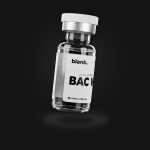
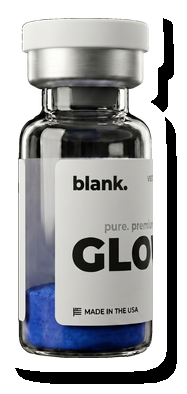
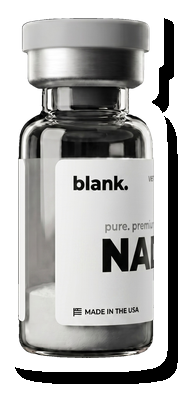
These five checks came from somewhere, so I’ll name it. They’re the criteria Blank Peptides publishes its own lots against: synthesis in an in-house cGMP laboratory, testing laboratories named on the site, a per-lot panel covering identity, purity, bacterial endotoxin and sterility, batch certificates of analysis keyed to the lot number printed on the vial, and blend composition stated per component. Neither Swiss Chems nor Peptide Vault is that company, and knowing where the bar came from lets you argue with its height.
What Swiss Chems publicly states
Swiss Chems operates at swisschems.is. On the pages reviewed 2026-09-08 the homepage offers “Top-quality SARMs, peptides, and nootropics for laboratory research,” carries a “99% Purity Guaranteed” banner, and lists categories including SARMs, peptides, bioregulators, nootropics, powders, longevity research and metabolics. The peptides category page stated “Showing 16 of 48 products.”
On provenance, the “Who we are” page appears under a “Research Supply” heading, states the company is based in the USA, and states that it “has supplied one of the largest research-compound catalogs available anywhere.” The verbs stay on supplying across every page I read. A statement that Swiss Chems synthesizes the material, or any description of a laboratory it operates, was not listed on the pages reviewed 2026-09-08.
On testing the site is unusually specific. It states that “every compound we supply undergoes independent third-party HPLC testing” with “99%+ minimum verified purity,” and the FAQ states that “batches are submitted for independent analysis by accredited third-party laboratories,” naming the principal third-party laboratory it works with. The same answer states that “lab reports are made available so you can verify the material you received. Reports are lot-specific.”
That claim has a page behind it. The Independent Test Results page states “we believe in complete transparency. View and download all lab reports,” shows 50 results per page across several paginated pages, and attaches a PDF link to each entry, with filenames carrying both the test type and the laboratory. The BPC-157 and TB-500 blend page states per-component amounts of “5mg+5mg” and “10mg+10mg” and lists six reports dated June 2026 covering HPLC, heavy metals, LC-MS and endotoxin. A sterility result, and a lot number shown on the report index itself, were not listed on the pages reviewed 2026-09-08.
The advantage worth conceding to Swiss Chems is that the documents open without an account and without a purchase, and the catalog spans compound classes a peptide-only vendor doesn’t carry. The FAQ states that “USA orders placed and paid before 12PM EST on business days ship the same day,” and the homepage states free shipping over $100 domestically.
What Peptide Vault publicly states
One clarification before the detail, because the name is shared. Several unrelated storefronts trade as some version of Peptide Vault, including UK and Australian ones. The site reviewed here is peptidevaultlabs.com, trading as Peptide Vault Labs and presenting as a US supplier.
On provenance, the about page states that “Peptide Vault Labs supplies research-grade peptides and laboratory materials to researchers, institutions, and analytical labs,” and the site states “Made in the USA” alongside “U.S.-based fulfillment.” The consistent verb is supplies. Whether the company synthesizes the peptides itself, and who operates the facility referred to, were not listed on the pages reviewed 2026-09-08. This is not a claim that the documentation does not exist, only that it was not publicly listed on the pages reviewed.
On testing, the site states products are “Third-Party Batch Tested” to a “≥99% Purity” standard and refers to independent analytical documentation. No laboratory was named on the homepage, about page or certificates page reviewed 2026-09-08, which is the row where the two vendors diverge most.
The certificates page is worth describing precisely, because it does more than most. It is headed “Certificates of Analysis” and states “search published analytical records by product or batch number. Multiple batch records are grouped under one product.” On the date reviewed it summarised 14 products and 22 batches, listing batch numbers in a PVL-prefixed format, purity figures ranging from roughly 99.08% to 99.62%, and an endotoxin column reading “None” across the rows. Sterility was not among the parameters listed, and I found no downloadable PDF behind an individual row, so what you can read is the summary table rather than the underlying report.
On blends, the shop listed four: GLOW at 80 mg for $95, KLOW at 80 mg for $135, CJC-1295 with Ipamorelin at 10 mg for $85, and BPC-157 with TB-500 at 10 mg for $79. The component peptides are named in each case. Per-component milligram splits were not shown on the catalog pages reviewed 2026-09-08.
Credit where it’s earned. Publishing batch numbers, per-batch purity figures and an endotoxin column in a searchable table, openly and before purchase, is more than most vendors of this size attempt, and the pricing is stated plainly for every listing rather than hidden behind an account. For a buyer who wants to see batch-level numbers without emailing anyone, that’s a genuine advantage.
Side by side: who makes it, who tests it, and what you can read
| Attribute | Swiss Chems | Peptide Vault |
|---|---|---|
| Synthesises in-house | States it “has supplied” a large catalog under a “Research Supply” heading; who synthesises — verify | States it “supplies research-grade peptides” and claims “Made in the USA”; who synthesises — verify |
| Third-party lab named | States and names its principal third-party laboratory in the FAQ | States “Third-Party Batch Tested”; no laboratory named on the pages reviewed — verify |
| HPLC purity | States “independent third-party HPLC testing” and “99%+ minimum verified purity” | States a “≥99% Purity” standard, with per-batch figures of about 99.08% to 99.62% listed |
| MS identity | States an LC-MS report on the blend page reviewed; catalog-wide coverage — verify | States testing for identity and purity; mass spectrometry per batch — verify |
| Endotoxin and sterility | States an endotoxin report on the blend page; sterility not listed — verify | States an endotoxin column reading “None”; sterility not listed — verify |
| Batch COA before purchase | States reports “are lot-specific” and publishes them for download without an account | States a searchable table of 14 products and 22 batches; no downloadable report found — verify |
| Blend mg split disclosed | States “5mg+5mg” and “10mg+10mg” on the BPC-157 and TB-500 blend | States four blends with total mg and named components; per-component split — verify |
| Catalog size | States 48 products in the peptides category on the page reviewed | States 24 products across its shop on the page reviewed |
| Research-use labelling | States “All products are for laboratory developmental research USE ONLY. Not for human consumption.” | States materials are “Research Use Only” and not for human or veterinary use |
How to verify either supplier yourself
- Email both companies and ask for the certificate covering the exact lot they’d ship you this week. That question separates a testing programme from a testing claim faster than reading ever will.
- Ask Peptide Vault which laboratory produced the numbers in its batch table, and ask Swiss Chems for the full report rather than the summary line, then check the report against the lab that issued it.
- Match the lot number on any certificate against the lot number printed on the vial when it arrives. A document without a lot number describes some batch, and you can’t tell whether it’s yours.
- Ask about bacterial endotoxin and sterility by name, and ask whether the results came from your lot or from an earlier qualification batch.
- Run both suppliers through the supplier verification checklist before you place a first order.
Further reading
- Which Peptide Vendors Name Their Testing Lab?
- Peptide Vendors With Public Per-Batch COA Libraries
- Which Peptide Vendors Disclose Blend Composition?
- Who Actually Manufactures Research Peptides in the USA?
Frequently asked questions
Swiss Chems vs Peptide Vault: which one publishes more documentation?
Swiss Chems publishes more of the underlying documents, naming its principal laboratory and offering downloadable lot-specific reports. Peptide Vault publishes a searchable batch table with purity figures and an endotoxin column, which is useful summary data, but no laboratory was named and no downloadable report sat behind a row on the pages reviewed 2026-09-08.
Can you view a batch COA before buying from either vendor?
From Swiss Chems you can open and download reports without an account. From Peptide Vault you can read batch numbers, purity figures and an endotoxin result in a public table, though the full certificate behind each row was not available on the pages reviewed 2026-09-08. Ask either company for the underlying PDF.
Does either company state who synthesizes its peptides?
Neither does. Swiss Chems describes itself under a “Research Supply” heading and uses the verb supplied. Peptide Vault states it supplies research-grade peptides and that products are made in the USA. Who performs the synthesis, and where, was not listed on the pages reviewed 2026-09-08 for either site.
Which one discloses blend composition per component?
Swiss Chems does on the blend page reviewed, stating “5mg+5mg” and “10mg+10mg” for BPC-157 with TB-500. Peptide Vault lists four blends with total milligrams and named components, and per-component splits were not shown on the catalog pages reviewed 2026-09-08, so that’s worth asking about before ordering.
Are these products for human use?
No. Everything referenced here is research material for in-vitro laboratory work by qualified professionals. Nothing in this article is dosing guidance or medical advice, and neither company presents its products for human or veterinary use on the pages reviewed 2026-09-08.
For research use only. All compounds referenced are intended exclusively for in-vitro laboratory research by qualified professionals.
Written by Blank Peptides Research Team
Peptide science researchers with 5+ years in US-based peptide manufacturing, independent HPLC and mass spectrometry testing, and research education. All content is reviewed for scientific accuracy before publication.
REVIEWED BY
Dr. Tobias S — PhD Chemist, Peptide and Unnatural Amino Acid Synthesis
Dr. Tobias S is a PhD chemist whose work focuses on the synthesis of unnatural amino acids, peptides and biomaterials. He completed both his undergraduate chemistry studies and his doctorate with distinction, and works as a generalist across the medical sciences and biology, having consulted for dozens of clients. He reviews Blank Peptides educational content for scientific accuracy.
Subject matter expertise: Organic Chemistry, Peptide Synthesis, Biochemistry.