You want to know who actually makes the peptide in a Lone Star Peptide Co vial, and their site, like most peptide sites, talks a lot about testing and very little about synthesis. That’s a common pattern and it leaves you guessing. A company can be completely honest about running every batch through an outside lab and still never say where the powder came from before it reached the lab, and if you’re building a protocol around a compound, you’d like to know whether the accountable party for what’s in the vial is the storefront or someone upstream of it.
I’m going to approach this by reading the verbs. Every vendor page uses language about its product, and the words chosen, “we compound”, “we source”, “received from”, “manufacturer-provided”, tell you how the company sees its own role. I’ll quote what Lone Star states on its own pages, dated, note what those pages don’t say, and leave the conclusion to you. I won’t be labeling anyone, because the site’s silence on a topic is just silence.
We’re Blank Peptides, and we sell peptides, so you should know that going in. The reason we care about this question is that we answer it about ourselves in the plainest way we can, and we think every buyer deserves that from every vendor.
Key takeaways
- The question of who makes a vendor’s peptides is answered by the verbs on its own pages, so read for “compound”, “vial”, “source”, “received”, and “supplier” rather than for badges.
- Blank Peptides compounds, vials, finishes, and labels every lot in its own cGMP laboratory, and each lot is tested by Freedom Diagnostics and Horizon Analytical for identity, >99% purity, bacterial endotoxin, and sterility.
- Lone Star Peptide Co publicly states that each lot is “product received from our supplier”, that it does “not rely on manufacturer-provided testing data”, and that testing is done by outside labs, “not in-house”.
- A manufacturer name, a synthesis or lyophilization location, and a laboratory name were not listed on the pages reviewed 2026-09-08.
- All of this concerns research-use-only material, and nothing here is guidance on administering any compound to people or animals.
How do you tell whether a peptide vendor makes what it sells?
Before naming the company again, let me set out how I read a site for provenance, because it’s the first of five questions I’d ask of any supplier, and the other four depend on it.
Provenance is about verbs. A vendor that synthesizes its own product will say so in active language: it compounds, it lyophilizes, it fills, it labels, and it can usually describe the facility and the QC steps between synthesis and the shipping box. A vendor that buys material will use different verbs: it sources, it receives, it qualifies, it tests incoming lots. Neither model is disqualifying. Plenty of good product moves through the second model, and plenty of bad product has come from people who claimed the first. But the two models put accountability in different places, and you want to know which one you’re dealing with before something goes wrong.
The second question is whether the testing lab is named, because a maker and a buyer both need outside confirmation, and a name lets you check it. The third is the panel: HPLC purity, identity by mass spectrometry, an endotoxin assay, and a sterility test are four separate things, and a vendor that runs three of them should say which one it skipped. The fourth is whether a batch certificate is readable before purchase and tied to a lot number that also appears on the vial. The fifth is whether a blend states the milligrams of each component.
What I’m setting aside is price, site design, and company age. None of those tell you who made the powder. What I’m also setting aside is any inference from silence. If a page doesn’t mention synthesis, that’s a gap to ask about, and the right move is to email the company and ask “who manufactures this, and where?” rather than to assume an answer.
How Blank Peptides makes and tests each lot
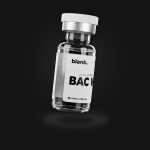
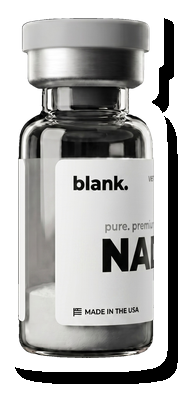
Blank Peptides operates its own cGMP laboratory in the USA, where it compounds, vials, finishes, and labels every product it sells and runs quality control in-house. Because the company does not purchase finished vials from an outside source, the chain of custody runs from raw material to the shipping box under one roof. The facility also contract-manufactures and fulfils product for other peptide brands, which the company states as a category of work without naming any client.
Every lot ships with a full panel rather than a purity figure alone. Identity is confirmed, purity is reported at >99%, and each lot is also tested for bacterial endotoxin and sterility. The testing is performed by two named outside laboratories, Freedom Diagnostics and Horizon Analytical, so a buyer can look up the lab as well as read the number.
Each lot’s results are published as batch certificates of analysis before purchase, and the lot number printed on every vial matches the certificate, which is the detail that makes the paperwork usable. Lyophilized product carries an expiration of roughly 24 months.
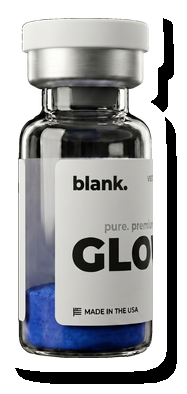
The catalog is 34 compounds, and the blends disclose composition per component: GLOW is 70mg as GHK-Cu, BPC-157, and TB-500; KLOW is 80mg and adds KPV; Wolverine is 20mg of BPC-157 and TB-500. Orders have a processing time within 1 business day and ship at room temperature, which is the standard method for lyophilized peptide.
What Lone Star Peptide Co publicly states
Lone Star Peptide Co operates at lonestarpeptideco.com and describes itself as a Houston, Texas company. The clearest ownership language on the site, on the pages reviewed 2026-09-08, is on the COA library page, which states “Each row below is a real, finite lot of product received from our supplier and tested by local labs in College Station, TX before a single vial ships”. The verb there is “received”, and the noun is “supplier”, singular.
The About page states “We do not accept supplier test data as qualification”, and the research standards page states “We do not rely on manufacturer-provided testing data” and “Testing is performed by independent third-party laboratories, not in-house”. So the site refers to both a “supplier” and a “manufacturer”, describes its own role as qualifying and testing what arrives, and states that testing happens outside the company. The homepage describes the company as supplying “14 research-grade peptide compounds”, and the About page states the founder spent “over a decade building precision-driven companies in construction and energy markets” before founding Lone Star.
What I couldn’t find is the other half. A manufacturer name, a country or facility where the peptide is synthesized, a description of lyophilization or vial filling, or any statement that Lone Star compounds product itself was not listed on the pages reviewed 2026-09-08. The About, why-Lone-Star-exists, research standards, and measured-mg pages all discuss what happens after material arrives and none describe what happens before. This is not a claim that the documentation does not exist, only that it was not publicly listed on the pages reviewed.
On the surrounding rubric, the site states “HPLC purity (≥99% minimum), LC-MS identity confirmation, and Endotoxin results” on every batch, refers to “local labs in College Station, TX” without a laboratory name, states its COAs are “publicly searchable by batch ID” with “No request required”, and states “10mg BPC-157 / 10mg TB-500” on the Wolverine Blend page. A sterility result was not listed on the pages reviewed 2026-09-08.
To be fair to them, the site does something with incoming material that many vendors skip. The measured-mg page states “We label ours with the actual measured content”, derived from the batch certificate using HPLC purity, water content, and counterion analysis, and that’s more fill detail than we or most competitors print on the vial. The how-to-order page also states “same-day dispatch from Houston” for confirmed orders “before 3 PM CST” with “Cold-chain packaging”, which is a real advantage for Texas buyers whoever made the powder.
Side by side: provenance language and what backs it
| Attribute | Blank Peptides | Lone Star Peptide Co |
|---|---|---|
| Synthesises in-house | Own cGMP laboratory; compounds, vials, finishes, and labels every lot | States lots are “received from our supplier”; synthesis site not listed — verify |
| Manufacturer or facility named | Its own facility in the USA | Not listed on the pages reviewed 2026-09-08 — verify |
| Third-party lab named | Freedom Diagnostics and Horizon Analytical | States “local labs in College Station, TX”; lab name not listed — verify |
| HPLC purity | >99% per lot | States “≥99% minimum” by HPLC — verify |
| MS identity | Confirmed per lot | States “LC-MS identity confirmation” per batch — verify |
| Endotoxin and sterility | Both tested per lot | States LAL endotoxin “<1 EU/mg”; sterility not listed — verify |
| Batch COA before purchase | Published per lot at blankpeptides.com/coas/; lot number on every vial | States COAs “publicly searchable by batch ID”, “No login required” — verify |
| Blend mg split disclosed | Per component on GLOW 70mg, KLOW 80mg, Wolverine 20mg | States “10mg BPC-157 / 10mg TB-500” on Wolverine Blend — verify |
| Research-use labelling | Research use only on every product | States “strictly for in vitro laboratory research use only” — verify |
How to verify either supplier yourself
- Read the About, quality, and COA pages of each site specifically for verbs about the product, and write down whether the company says it compounds, vials, and fills, or says it sources, receives, and tests.
- Email support at each company with one plain question, “who synthesizes this peptide and where?”, and treat a clear answer, a vague answer, and no answer as three different pieces of information.
- Pull a certificate from each COA library for a lot currently on hand and check the header for a laboratory name, since a named lab is the outside party that can vouch for whatever the vendor’s supply chain produced.
- Check the certificate for MS identity, HPLC purity, endotoxin in EU/mg, and sterility, and note what’s missing, because a buyer that tests incoming material well can still leave a line off the panel.
- Record your answers for both companies in the supplier verification checklist and decide from that.
Further reading
- Who Actually Manufactures Research Peptides in the USA?
- Which Peptide Vendors Name Their Testing Lab?
- Best Research Peptide Suppliers: Ranked by What They Document
- Peptide Vendors With Public Per-Batch COA Libraries
Frequently asked questions
Who makes Lone Star Peptide Co peptides?
The site’s COA page states that each lot is “product received from our supplier”, and its research standards page refers to “manufacturer-provided testing data” that it does not rely on. A manufacturer name or synthesis location was not listed on the pages reviewed 2026-09-08. The company describes its own role as qualifying and testing incoming material, so ask them directly for the rest.
Does Lone Star Peptide Co test in-house?
By what the site states, no. The research standards page says “Testing is performed by independent third-party laboratories, not in-house”, and the how-to-order page says batches are “tested by local labs in College Station, TX”. A laboratory name was not listed on the pages reviewed 2026-09-08, so check the certificate header or ask support for it.
Where is Lone Star Peptide Co located?
The site states the company is based in Houston, Texas, and lists a Houston street address in its footer, with dispatch from Houston for confirmed orders placed “before 3 PM CST”. That describes where orders ship from and where the company operates. Where the peptide itself is synthesized was not listed on the pages reviewed 2026-09-08.
Who makes Blank Peptides peptides?
Blank Peptides makes its own. The company compounds, vials, finishes, and labels every lot in its own cGMP laboratory in the USA and runs QC in-house, then sends each lot to Freedom Diagnostics and Horizon Analytical for identity, >99% purity, endotoxin, and sterility. The same facility contract-manufactures for other peptide brands, which the company states without naming clients.
Are these products for human use?
No. Every compound discussed here, whether from Blank Peptides or Lone Star Peptide Co, is sold strictly for in-vitro laboratory research by qualified professionals. Nothing in this article is medical advice, dosing guidance, or a suggestion that any peptide should be administered to people or animals, and both companies label their products for research use only.
For research use only. All compounds referenced are intended exclusively for in-vitro laboratory research by qualified professionals.
Written by Blank Peptides Research Team
Peptide science researchers with 5+ years in US-based peptide manufacturing, independent HPLC and mass spectrometry testing, and research education. All content is reviewed for scientific accuracy before publication.
REVIEWED BY
Dr. Tobias S — PhD Chemist, Peptide and Unnatural Amino Acid Synthesis
Dr. Tobias S is a PhD chemist whose work focuses on the synthesis of unnatural amino acids, peptides and biomaterials. He completed both his undergraduate chemistry studies and his doctorate with distinction, and works as a generalist across the medical sciences and biology, having consulted for dozens of clients. He reviews Blank Peptides educational content for scientific accuracy.
Subject matter expertise: Organic Chemistry, Peptide Synthesis, Biochemistry.