I can’t tell if this vendor makes anything. That’s the thought I keep hearing from people who’ve bought from Umbrella Labs for a while and only recently started reading the fine print. The site talks about a manufacturing pipeline and batches “we produce”, and then in the same breath describes itself as a chemical supplier that isn’t a compounding facility. Both of those can be true at once, honestly, but it leaves you without a clear picture of where the peptide in your vial was actually synthesised and by whom.
And that picture matters more than it used to. When a lot fails, or a result won’t reproduce, the first question a reviewer asks is about chain of custody. If the vendor made the material, they can answer it end to end. If they sourced it, the honest answer is “our supplier says”, and you’d want to know that up front rather than after the fact. So “who manufactures Umbrella Labs peptides” is less a gotcha than a practical question about how many hands the product passed through before it reached you.
I went through the Umbrella Labs homepage, FAQ, quality-assurance page, a peptide product page, the blend page and the COA library on 2026-09-08, reading specifically for the verbs the site uses about production. I’m going to quote those verbs rather than interpret them, because the interpretation is yours to make. But before the quotes, here’s the standard I’m applying to any vendor, Blank Peptides included.
Key takeaways
- The provenance question is settled by what a vendor states in its own words about synthesis, and the verbs it chooses (“we produce”, “we supply”, “we source”) are the evidence.
- Blank Peptides synthesises, vials, labels and QC-tests its 34 compounds in its own cGMP laboratory, names Freedom Diagnostics and Horizon Analytical as its labs, and publishes a per-lot certificate showing identity, >99% purity, bacterial endotoxin and sterility.
- Umbrella Labs states that “every batch of sarms and peptides we produce is tracked and tested”, refers to “our manufacturing pipeline”, and separately states it “is a chemical supplier” and “not a compounding pharmacy or chemical compounding facility”.
- A facility location, a description of who performs synthesis, and endotoxin or sterility results were not listed on the Umbrella Labs pages reviewed 2026-09-08.
- Everything discussed is research-use-only material for in-vitro laboratory work by qualified professionals.
How do you tell whether a peptide vendor makes what it sells?
Here’s the thing about provenance on research-peptide sites: almost nobody states it plainly, so you end up reading for verbs. A vendor that synthesises will usually say so, because it’s a selling point. A vendor that sources finished product from a manufacturer tends to use softer language, “we carry”, “we offer”, “we supply”, and lets the reader assume the rest. Neither is dishonest on its own. But the two models produce very different paperwork, and that’s why provenance is the first of five questions I ask of every vendor.
The second question follows directly from it. Is the testing laboratory named? If a vendor makes its own material, it sends samples out and gets certificates back under its own name, and naming the lab costs it nothing. If a vendor sources material, the certificate may have been issued to its supplier, and the lab name may be one the vendor has never dealt with directly. Either way, a name you can look up beats a phrase like “third-party tested”.
Third, what’s on the certificate? Purity by HPLC is the minimum. Identity, by mass spectrometry or against a reference standard, confirms the peak is the right compound. Bacterial endotoxin and sterility confirm the vial is fit to be reconstituted. A manufacturer that controls the whole process can run all four on the finished vial. A vendor testing sourced bulk powder can only tell you about the powder.
Fourth, can you read the batch certificate before purchase, with a lot number that matches the vial? The lot number is the thread that ties a document to a physical unit, and without it you’re matching on dates and hope.
Fifth, for blends, is the milligram contribution of each component stated? A blend is where sourcing shows most clearly, because a vendor that fills its own vials knows exactly what went in.
Notice what’s missing from that list. There’s nothing about reviews or how polished the site looks, because those things tell you about marketing, and the five questions tell you about the material.
How Blank Peptides makes and tests each lot
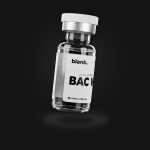
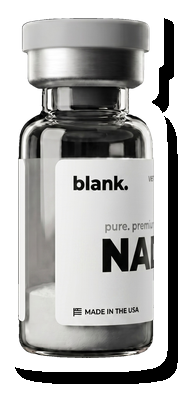
Blank Peptides operates its own cGMP laboratory in the USA and performs synthesis, vialing, lyophilisation, finishing, labelling and quality control under one roof. The company holds the chain of custody for every lot from raw material to sealed vial, which is the practical meaning of “manufacturer” as opposed to a relabeler or broker. The same facility contract-manufactures and fulfils for other peptide brands, so its process serves products beyond its own label.
Every lot is tested on a full panel: identity, purity reported at >99%, bacterial endotoxin, and sterility. The external laboratories are named as Freedom Diagnostics and Horizon Analytical, so a buyer can confirm a certificate with the issuing lab directly rather than through the vendor.
A lot number is printed on every vial, and the matching batch certificates of analysis are published before purchase, so the document a buyer reads is the one for the material that ships. Lyophilised product carries an expiration of roughly 24 months.
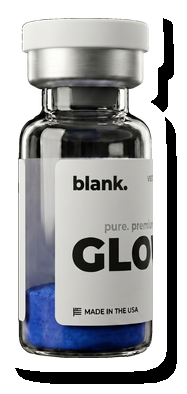
The catalogue runs to 34 compounds. Blends are listed with each component stated: GLOW at 70 mg (GHK-Cu, BPC-157, TB-500), KLOW at 80 mg (those three plus KPV), and Wolverine at 20 mg (BPC-157 and TB-500). Orders are processed within one business day and ship at room temperature, which is the appropriate handling for lyophilised peptide.
What Umbrella Labs publicly states
The ownership language on the Umbrella Labs site pulls in two directions, and I think the fairest thing I can do is quote both sides and let you weigh them.
On the production side, the quality-assurance page reviewed 2026-09-08 states: “We employ industry-leading High Performance Liquid Chromatography and Liquid/Gas Chromatography-Mass Spectrometry in our manufacturing pipeline.” It states: “Every batch of sarms and peptides we produce is tracked and tested for the highest level of product quality control.” It states: “This is why we keep production tightly monitored and tested constantly.” And on labelling, it states that “our manufacturing dates also serve as batch numbers to allow us to effectively trace any issues in our QA/QC pipeline.” Taken alone, those sentences describe a company that produces and tracks its own batches.
On the supplier side, the site’s terms language states: “Umbrella Labs is a chemical supplier. Umbrella Labs is not a compounding pharmacy or chemical compounding facility.” The FAQ states that products “are tested in house and by 3rd parties for purity and generally average over 99% pure”, which describes testing in two places without saying where synthesis happens. A facility location, a description of the synthesis step itself, or the name of any upstream manufacturer were not listed on the pages reviewed 2026-09-08. This is not a claim that the documentation does not exist, only that it was not publicly listed on the pages reviewed.
One more detail from the certificates is worth reading in this light. The Vanguard Laboratory report dated 31 March 2026 for Pinealon describes its sample as “Pinealon Bulk Powder” and carries the lot number ULP-48904. That’s consistent with testing raw material before it’s vialed, which is a normal step for a manufacturer and an equally normal step for a company that buys bulk and fills its own vials. The certificate on its own doesn’t tell you which.
Where Umbrella Labs is genuinely strong is breadth. The peptide section alone lists roughly 336 products across vials, sprays, capsules, tablets, nano-liposomal and nano-ethosomal formats, plus SARMs, nootropics and research chemicals beyond that. Blank Peptides, at 34 compounds, doesn’t come close on range, and if you need something unusual that’s a real point in Umbrella Labs’ favour. The BPC-157/TB-500 blend page also states its split clearly as “BPC-157 5mg/TB-500 5mg”, and shipping is stated as free standard USPS within the United States, with orders “generally sent out within 24-48 hours”.
Side by side: provenance and documentation
| Attribute | Blank Peptides | Umbrella Labs |
|---|---|---|
| Synthesises in-house | Own cGMP laboratory; synthesis, vialing, labelling and QC in one facility | States “every batch… we produce is tracked and tested” and “is a chemical supplier”; synthesis location not listed — verify |
| Third-party lab named | Freedom Diagnostics and Horizon Analytical | Lab shown per certificate in the COA library (MZ BioLabs, Vanguard Laboratory); not named on the QA page — verify |
| HPLC purity | >99% on every lot | States “≥99% Pure (LC-MS)” on product pages; 2026 certificate reports HPLC-UV/VIS >99.80% |
| MS identity | Confirmed per lot | States LC/GC-MS in its pipeline; certificate reviewed lists HPLC-UV/VIS “Matches Standard” — verify |
| Endotoxin and sterility | Tested and reported per lot | Not listed on the pages reviewed 2026-09-08 — verify |
| Batch COA before purchase | Published per lot; lot number on every vial | States dated PDFs on product pages and in a public library; lot number on the PDF only — verify |
| Blend mg split disclosed | GLOW, KLOW, Wolverine listed per component | States “BPC-157 5mg/TB-500 5mg” |
| Research-use labelling | Research use only on every product | States “sold for laboratory research use only” |
How to verify either supplier yourself
- Email the vendor one direct question: “Do you synthesise this compound yourselves, and if so where?” A manufacturer answers in a sentence. Read any longer answer for the verbs.
- Open the certificate for the lot you’re considering and check the sample description. Bulk powder and finished vial are different samples, and you want to know which one was tested and whether the vialed product was tested again.
- Contact the laboratory named on the certificate with the report date and lot number and ask them to confirm they issued it. This is the single fastest check you can run.
- Compare the lot number on the certificate to the label when the vial arrives, and keep a photo of both with your lab records.
- Work through the supplier verification checklist for every vendor you use, and repeat it when a vendor changes labs or formats.
Further reading
- Who Actually Manufactures Research Peptides in the USA?
- Which Peptide Vendors Name Their Testing Lab?
- Peptide Vendors With Public Per-Batch COA Libraries
- Best Research Peptide Suppliers: Ranked by What They Document
Frequently asked questions
Who makes Umbrella Labs peptides?
The site states that “every batch of sarms and peptides we produce is tracked and tested” and refers to “our manufacturing pipeline”, while also stating that “Umbrella Labs is a chemical supplier” and “not a compounding pharmacy or chemical compounding facility”. A synthesis location or an upstream manufacturer’s name was not listed on the pages reviewed 2026-09-08, so the answer has to come from asking the vendor directly.
Does Umbrella Labs say where its peptides are made?
On the pages reviewed 2026-09-08, no. The quality-assurance page describes analytical equipment and a CLIA testing environment, and the FAQ describes in-house and third-party purity testing, but neither states a facility location or country of synthesis. Certificates in the COA library name the testing laboratory rather than a production site.
Is Umbrella Labs a manufacturer or a reseller?
The site doesn’t use either word about itself. It uses “we produce” and “manufacturing pipeline” on the quality page and “chemical supplier” in its terms language. Rather than pick one label for them, read those phrases yourself, then ask the company the direct question and see whether the answer names a place and a process.
How does Blank Peptides document its own manufacturing?
Blank Peptides states that it synthesises, vials, labels and QC-tests each lot in its own cGMP laboratory, names Freedom Diagnostics and Horizon Analytical as its testing labs, prints a lot number on every vial, and publishes the matching certificate showing identity, >99% purity, endotoxin and sterility before purchase. Those are the same five points you’d check on any vendor.
Are these products for human use?
No. Every compound discussed here is research-use-only material intended for in-vitro laboratory work by qualified professionals. Umbrella Labs states its products are “sold for laboratory research use only” and “not for human consumption, nor medical, veterinary, or household uses”, and Blank Peptides labels every product for research use only.
For research use only. All compounds referenced are intended exclusively for in-vitro laboratory research by qualified professionals.
Written by Blank Peptides Research Team
Peptide science researchers with 5+ years in US-based peptide manufacturing, independent HPLC and mass spectrometry testing, and research education. All content is reviewed for scientific accuracy before publication.
REVIEWED BY
Dr. Tobias S — PhD Chemist, Peptide and Unnatural Amino Acid Synthesis
Dr. Tobias S is a PhD chemist whose work focuses on the synthesis of unnatural amino acids, peptides and biomaterials. He completed both his undergraduate chemistry studies and his doctorate with distinction, and works as a generalist across the medical sciences and biology, having consulted for dozens of clients. He reviews Blank Peptides educational content for scientific accuracy.
Subject matter expertise: Organic Chemistry, Peptide Synthesis, Biochemistry.