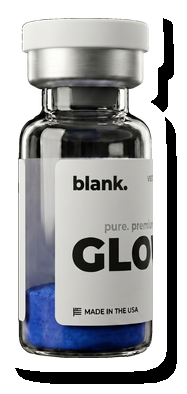
The KLOW peptide 80mg vial is one of the larger-format options in the research supply catalog — a pre-formulated blend sized for studies that require consistent component ratios across multiple experimental time points. Understanding what’s inside the vial, how it was tested, and how to handle it correctly before and after reconstitution matters before the first experiment begins.
Component Breakdown: What the 80mg Total Represents
KLOW combines four peptides — GHK-Cu, BPC-157, TB-500, and KPV — into a single lyophilized vial. The 80mg figure is the total combined mass of all components, not any single peptide’s weight. This matters for reconstitution math: researchers working with fixed molar concentrations per component need to account for the blend’s internal ratios rather than treating it as a homogeneous compound.
Each component brings a distinct research profile. GHK-Cu is a copper-binding tripeptide studied extensively in skin and connective tissue contexts. BPC-157 is a 15-amino acid fragment evaluated in models of gastrointestinal repair and tissue regeneration. TB-500 is a synthetic derivative of the actin-binding region of Thymosin Beta-4, appearing in wound healing and inflammatory research. KPV is the C-terminal tripeptide of alpha-MSH, with a publication record in gut barrier and immunomodulatory work.
Combining them into a single vial reflects the practical reality that many study designs investigate these compounds together. The trade-off is that the documentation burden shifts to a single blend-level certificate of analysis rather than four separate COAs — which simplifies filing but reduces per-component traceability.
Purity Standards and Third-Party Testing
Every KLOW peptide 80mg vial produced in our cGMP labs in the USA carries a batch-specific certificate of analysis confirming purity above >99%. Testing is performed by Freedom Diagnostics and Horizon Analytical, two independent third-party labs with no financial relationship to the batch outcome.
The testing panel covers three parameters. HPLC analysis confirms the purity figure. Mass spectrometry confirms the molecular identity of each component — verifying that the compound in the vial is what the label says, not just that it’s a pure version of something. Bacterial endotoxin testing verifies the batch meets the limits appropriate for parenteral research applications, a parameter that matters directly when compounds are being delivered via injection in animal model work. All results appear as specific numeric values on the COA, not as pass/fail checkboxes only.
You can match a given KLOW vial to its COA by batch number. Orders arrive with the corresponding documentation.
Storage Requirements
Lyophilized KLOW peptide 80mg should be stored at −20°C for long-term stability. At 4°C the powder is stable for a few weeks if use is planned soon. The lyophilized state tolerates refrigerator temperatures reasonably well but degrades faster than frozen powder when humidity cycles are present.
Practical handling before reconstitution:
- Keep vials sealed and away from direct light until use.
- Allow the vial to equilibrate to room temperature before opening — a cold vial drawn into warmer air can pull condensation onto the powder when the cap comes off.
- Do not freeze-thaw reconstituted solution repeatedly. If extended storage of the reconstituted compound is required, aliquot into smaller volumes before freezing.
The GHK-Cu component is somewhat sensitive to oxidative conditions after reconstitution, so minimizing air exposure once the vial is open is sound lab practice.
Reconstitution Guidelines for Research Use
Add 3 mL of bacteriostatic water to the KLOW 80mg vial. This volume accommodates the solubility characteristics of the GHK-Cu component and produces a workable concentration for the range of administration volumes used in published preclinical work with these compounds. Inject bacteriostatic water slowly down the side of the vial wall rather than forcefully into the lyophilized cake, which can degrade peptide structure.
Swirl gently to dissolve. The solution should go clear; persistent cloudiness after swirling warrants a pause before use. Reconstituted KLOW stored at 4°C has a working window of approximately 28 days when prepared with bacteriostatic water — the 0.9% benzyl alcohol content retards microbial growth over that period.
Researchers running comparison studies with individual compounds can find BPC-157 and KPV sourced separately for designs that need per-component dose control rather than the fixed-ratio approach the blend provides.
Frequently Asked Questions
Is the KLOW 80mg vial tested by independent third-party labs?
Yes. Every batch is tested by Freedom Diagnostics and Horizon Analytical before release. The COA accompanying each vial includes HPLC purity data, mass spectrometry identity confirmation for each component, and bacterial endotoxin testing results. These are external labs — not in-house reports generated by the manufacturer.
How should the KLOW 80mg vial be stored before reconstitution?
Store at −20°C for long-term stability, or at 4°C if use is planned within a few weeks. Keep vials sealed and protected from light. Allow the vial to reach room temperature before opening to prevent condensation from introducing moisture into the lyophilized powder.
How much bacteriostatic water should I add to a KLOW 80mg vial?
Add 3 mL of bacteriostatic water. Inject slowly down the vial wall and swirl gently to dissolve. This volume reflects the solubility profile of the GHK-Cu component within the blend. Store the reconstituted solution at 4°C and use within 28 days.
All products discussed are for laboratory research use only and are not for human or veterinary use.