Semaglutide alternatives have become one of the more frequently discussed topics in metabolic receptor research over the past few years. Semaglutide occupies a well-characterized niche as a selective GLP-1 receptor agonist, but researchers designing comparison studies or exploring broader receptor axes need compounds that diverge from the GLP-1-only profile. Understanding where the alternatives sit in the catalog — and what makes them mechanistically distinct — matters before selecting a compound for a specific study design.
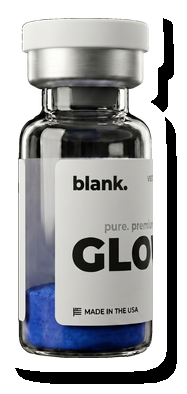
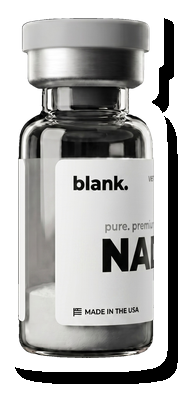
Our catalog includes semaglutide, tirzepatide, and retatrutide, all available as research-grade lyophilized peptides. Each targets overlapping but distinct receptor sets, which is exactly why researchers use them in parallel or as controlled comparisons.
What Separates GLP-1 Agonists at the Receptor Level
Semaglutide binds selectively to the GLP-1 receptor. That single-target profile makes it a clean reference compound for studies isolating GLP-1 receptor signaling. The tradeoff is precisely that narrowness: if a study asks how GIP co-activation changes downstream metabolic responses, semaglutide cannot answer the question on its own.
Tirzepatide and retatrutide were developed partly to address that gap. Tirzepatide engages both GLP-1 and GIP receptors. The GIP axis adds a distinct anabolic insulin-secretion signal and modulates adipocyte lipid metabolism through mechanisms that GLP-1 alone does not recruit. In cell-based or animal model research, this difference in receptor occupancy produces measurable differences in downstream signaling cascades — cyclic AMP accumulation, ERK phosphorylation, and adipogenesis markers — none of which semaglutide adequately controls for when the research question involves the GIP pathway.
Retatrutide extends this further by adding glucagon receptor agonism to the GLP-1 and GIP dual profile. Glucagon receptor activation increases hepatic glucose output and thermogenic signaling through pathways that are largely suppressed by GLP-1 agonism. Combining all three receptor interactions in a single compound creates a more complex pharmacological footprint — researchers studying energy expenditure, hepatic glucose regulation, or thermoregulation have used this as a distinct comparison arm.
Tirzepatide as a Semaglutide Alternative
When a study requires a GLP-1 agonist with GIP co-stimulation, tirzepatide is the compound most directly positioned as a semaglutide alternative. It has a similar route of administration and comparable molecular stability when lyophilized, which simplifies protocol design when researchers want to swap compounds between cohorts without changing handling procedures.
Molecularly, tirzepatide has a molecular weight of approximately 4813.5 g/mol compared to semaglutide’s 4113.6 g/mol. The larger structure requires attention during reconstitution: gentle vortexing or slow inversion rather than vigorous shaking reduces aggregation risk. Storage requirements overlap closely with semaglutide — lyophilized powder is stable at -20°C for extended periods, and reconstituted solutions should be kept at 4°C between uses.
For researchers running longitudinal studies where compound economy matters, tirzepatide vials in larger formats allow multi-fraction reconstitution across several experimental sessions without requiring repeated orders.
Retatrutide: The Triple-Agonist Variable
Retatrutide offers the most pharmacologically distinct profile in this cluster. Its glucagon receptor component makes it the appropriate selection when a study design requires separating GLP-1/GIP effects from combined GLP-1/GIP/GCG effects. Researchers who have already characterized the tirzepatide response in their model often add retatrutide as a third arm to isolate the incremental contribution of glucagon receptor engagement.
Retatrutide is a newer entrant in the research catalog relative to semaglutide and tirzepatide, so the published body of literature available for protocol reference is smaller. Researchers selecting it should expect to design more of their parameter space from first principles — or from the growing mechanistic literature on triple agonists published between 2022 and 2025 — rather than relying on well-established precedent for every parameter.
Purity across our catalog is verified at >99% by Freedom Diagnostics and Horizon Analytical, who conduct HPLC-MS confirmation and bacterial endotoxin testing on each lot. All three compounds ship from our cGMP labs in the US with processing time within 1 business day.
Choosing the Right Compound for Your Study
The question of which semaglutide alternative fits a given study usually comes down to receptor scope. If the study variable is GLP-1 receptor activation with GIP modulation, tirzepatide is the natural selection. If the study extends to the glucagon axis, retatrutide provides the triple-agonist profile. If the study needs a strict GLP-1-only reference, semaglutide itself remains the cleanest baseline.
Some research groups use all three compounds in parallel to generate a receptor-dose-response matrix. This approach uses more material but produces more interpretable data about which receptor contribution drives a given downstream effect. The approach also benefits from the consistency of sourcing all three from the same catalog, ensuring that purity standards and testing methods are uniform across arms.
FAQ
How does tirzepatide differ from semaglutide as a research compound?
Tirzepatide engages both GLP-1 and GIP receptors, while semaglutide targets the GLP-1 receptor alone. This dual-receptor profile changes downstream signaling in ways that are meaningful for studies examining adipocyte insulin sensitivity, cyclic AMP accumulation, or GIP-specific effects. For research where receptor selectivity is the experimental variable, these two compounds are not interchangeable — each produces a distinct pharmacological signature.
Is retatrutide used alongside semaglutide or tirzepatide in multi-arm studies?
Yes. Researchers comparing single, dual, and triple agonist profiles often include all three compounds in separate study arms. Retatrutide’s additional glucagon receptor engagement produces hepatic effects — particularly related to glucose output — that neither semaglutide nor tirzepatide adequately model independently. Using all three creates a more complete picture of how each receptor axis contributes to the observed response.
What purity and testing should I expect for these compounds?
All metabolic peptides in our catalog are tested to >99% purity by HPLC-MS through Freedom Diagnostics and Horizon Analytical. Each lot also undergoes bacterial endotoxin testing before it ships. Certificates of analysis are available on request and reflect lot-specific data, not specification minimums.
All products discussed are for laboratory research use only and are not for human or veterinary use.