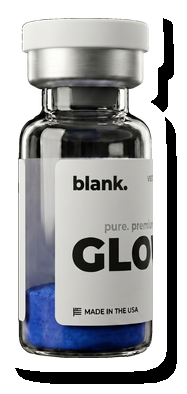
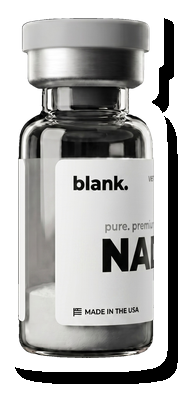
Tirzepatide 30mg vials have become a standard research format because 30mg gives researchers enough material to run multiple reconstitution fractions across sessions without depleting their supply prematurely. Understanding the molecular specs, why this size was settled on, and how to handle the compound correctly reduces protocol variation and protects the investment in each vial.
Molecular Specs and Structure Overview
Tirzepatide is a synthetic 39-amino acid peptide with a molecular weight of approximately 4813.5 g/mol and a CAS number of 2023788-19-2. It functions as a dual GLP-1 and GIP receptor agonist. The amino acid sequence incorporates structural elements that bind both receptor types with high affinity, and a C18 fatty diacid chain attached at lysine-26 facilitates albumin binding — a modification that extends biological half-life in in vivo model systems and is relevant to researchers designing time-course studies.
The lyophilized powder form provides stability advantages over aqueous solution for storage and shipping. Our tirzepatide is tested to >99% purity by HPLC-MS through Freedom Diagnostics and Horizon Analytical, with bacterial endotoxin testing conducted on each lot.
Tirzepatide’s molecular weight of 4813.5 g/mol is meaningfully larger than semaglutide at 4113.6 g/mol and retatrutide at around 4786 g/mol. Researchers switching between these compounds in parallel arms should be aware that the weight difference affects molar concentration calculations when protocols are expressed in nanomolar rather than gravimetric terms.
Why 30mg Is a Practical Research Vial Size
The 30mg format sits at a useful intersection of economy and convenience. Smaller 5mg or 10mg vials are appropriate for pilot experiments or protocol development, where a researcher is calibrating detection thresholds or validating reconstitution conditions and does not need excess material. The tradeoff is that running multiple cohorts from 5mg or 10mg vials requires more frequent ordering and introduces lot-to-lot variability between cohorts if the supply changes.
A 30mg vial reconstituted to 3 mL with bacteriostatic water yields a stock concentration of 10 mg/mL. This concentration is convenient for most dilution series in cell-culture and animal-model work. Researchers who need lower working concentrations dilute from this stock using physiological buffer or the appropriate vehicle for their assay.
Larger vial formats reduce per-milligram cost and minimize reordering frequency for groups running extended study timelines. For research programs comparing tirzepatide with semaglutide or retatrutide across multiple experimental cohorts, ordering the 30mg format of each compound typically yields better per-experiment economy than repeated 5mg or 10mg purchases.
Reconstitution and Storage Guidelines
Lyophilized tirzepatide should be stored at -20°C until ready for use. Once reconstituted, solution should be kept at 4°C and used within a defined short window consistent with the lot-specific stability data provided on the certificate of analysis.
To reconstitute 30mg of tirzepatide: add 3 mL of bacteriostatic water directly to the vial. Because tirzepatide’s larger molecular weight and fatty acid modification make it somewhat prone to foaming under agitation, roll the vial gently between your palms or allow it to dissolve through slow inversion rather than vortexing. Draw the reconstituted solution through the rubber stopper using a needle and syringe to avoid repeated exposure to air during aliquoting.
The reconstituted solution should be visually clear and colorless, free of particulates. Cloudiness, unusual color, or visible aggregates indicate potential degradation; a vial in that condition should not be used in research.
For longer-term storage of reconstituted solution, small aliquots frozen at -20°C extend working life — though freeze-thaw cycling more than twice is generally avoided for peptides with this level of structural complexity. Researchers with multi-month study timelines often reconstitute incrementally from the lyophilized stock rather than freezing a single large reconstituted volume.
Receiving and Logging a New Vial
When a 30mg tirzepatide vial arrives, a few quick steps at intake reduce downstream uncertainty. Record the lot number from the certificate of analysis before placing the vial in storage. Verify that the lyophilized powder appearance matches normal — a white-to-off-white loose cake with no visible discoloration. Note the storage date so the total time-in-storage is tracked.
Lot-specific certificates of analysis from Freedom Diagnostics and Horizon Analytical are available on request and document HPLC purity and bacterial endotoxin results for that specific production run. Comparing these to any historical lots from the same catalog is straightforward if lot numbers are logged consistently at intake. All tirzepatide ships from our cGMP labs in the US, with processing time within 1 business day.
FAQ
What concentration does a 30mg tirzepatide vial yield after reconstitution?
Reconstituting 30mg of tirzepatide in 3 mL of bacteriostatic water produces a stock concentration of 10 mg/mL. Working concentrations for specific assays are derived from this stock based on the intended final volume and target concentration. Researchers expressing concentrations in nanomolar terms will need to factor in the molecular weight of 4813.5 g/mol for the conversion.
How does the 30mg format compare to smaller tirzepatide vials for multi-session research?
The 30mg format allows reconstitution across multiple sessions without depleting the vial, which is useful for longitudinal protocols or multi-cohort studies where compound consistency matters. Smaller 5mg and 10mg vials suit single-session experiments or initial protocol development. The 30mg format also typically offers better per-milligram value, which matters when running larger study designs or parallel arms with multiple compounds.
What testing does each lot of tirzepatide undergo before shipping?
Each lot undergoes HPLC-MS purity analysis through Freedom Diagnostics and Horizon Analytical, confirming purity at >99%. Bacterial endotoxin testing is also performed per lot. Certificates of analysis reflecting lot-specific results — not specification minimums — are available on request.
All products discussed are for laboratory research use only and are not for human or veterinary use.