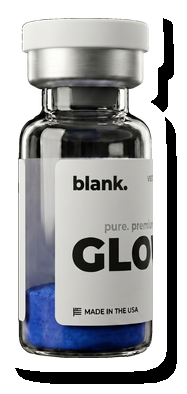
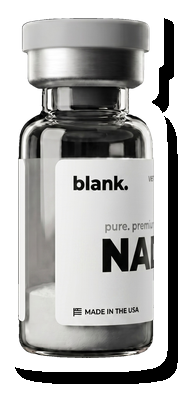
When a research program centers on neuropeptide modulation, finding the right semax alternatives often shapes the entire study design. Semax occupies a specific niche — a synthetic ACTH-derived heptapeptide with documented preclinical effects on BDNF expression and ischemic models — and that specificity makes substitution a meaningful choice rather than a simple swap. Whether budget, availability, or study focus drives the decision, understanding which compounds sit in the same territory is the starting point for sound sourcing.
What Separates Semax From Other Nootropic Peptides
Semax was developed in the 1980s by Russian pharmacologists studying stroke-related neurology. Its structure derives from the ACTH(4-10) fragment, stabilized for improved CNS penetration in animal models. Preclinical studies report BDNF upregulation in the hippocampus, reduced oxidative stress markers following cerebral ischemia, and enhanced spatial learning in rodent maze tasks.
Few peptides replicate this exact mechanism. That is what makes sourcing decisions consequential: a researcher choosing a Semax substitute is not simply finding a different option, they are shifting receptor targets and downstream readouts of the study entirely. A thorough understanding of where each compound sits mechanistically saves time spent troubleshooting confounded results later.
At Blank Peptides, Semax is manufactured in our cGMP labs in the USA, independently verified at >99% purity by HPLC, and tested by Freedom Diagnostics and Horizon Analytical — with bacterial endotoxin testing data available on each lot certificate. Orders process within 1 business day.
Selank: The Most Common Substitution
Selank is the alternative researchers reach for most often when reassessing a Semax-centered protocol. Like Semax, its lineage traces to ACTH-related peptide chemistry, but the pharmacological emphasis is different. Selank is a synthetic analog of tuftsin — an immunomodulatory tetrapeptide — extended to seven amino acids for improved stability. Its primary preclinical profile involves anxiolytic effects and normalization of GABA-A receptor activity in stress models.
The practical distinction: Semax tends to appear in studies centered on cognitive enhancement, neuroprotection, and BDNF signaling; Selank appears more often in anxiety paradigms, fear extinction models, and neuroimmune regulation research. Some protocols run both compounds in parallel to disentangle overlapping pathway effects, particularly where stress-induced cognitive deficits are the variable of interest.
From a sourcing standpoint, Selank carries similar handling requirements. Lyophilized powder stored at -20°C, reconstituted in bacteriostatic water, stable at 4°C for a limited window post-reconstitution. The similar storage profile makes it straightforward to run alongside Semax within the same laboratory environment without additional cold storage infrastructure.
DSIP: Mechanistically Different, Thematically Adjacent
DSIP (Delta Sleep-Inducing Peptide) does not act through melanocortin pathways the way Semax does. It is a nine-amino acid nonapeptide — Trp-Ala-Gly-Gly-Asp-Ala-Ser-Gly-Glu, molecular weight approximately 848 Da — with documented influence on HPA axis activity, cortisol release patterns, and sleep-wake cycling in animal models.
Researchers exploring stress physiology, circadian rhythm disruption, or cortisol normalization sometimes consider DSIP alongside or in place of Semax when the neuroprotective angle is less central to their study aims. The overlap between these compounds is not mechanistic — they act on different receptor systems — but thematic. Both appear frequently in research programs concerned with how the nervous system responds to physiological stress, and labs studying one often end up evaluating the other.
DSIP has a shorter half-life in reconstituted form compared to some neuropeptides, which affects study design around timing and dosing windows in animal protocols.
Choosing Based on Study Design
The right framework is not “which peptide is better” but “which mechanism matches the research question.” Here is how the three main options typically separate in practice:
Studies focused on BDNF signaling, cognitive outcome measures, or ischemic models place Semax as the primary compound. No currently available peptide directly replicates its ACTH-derived mechanism and documented BDNF effect in preclinical literature.
Studies centered on anxiety, fear extinction, or neuroimmune function find Selank purpose-built for these applications. Running it alongside Semax allows mechanism-specific controls when both pathways are under examination.
Studies examining sleep architecture, HPA axis modulation, or cortisol dynamics turn to DSIP most directly. It does not substitute for Semax’s mechanism but addresses terrain that frequently appears in the same research portfolios.
For researchers building multi-peptide studies that touch on aging, stress resilience, or neuroendocrine function, the cellular health and longevity section of the catalog includes additional compounds that intersect with these research areas.
FAQ
What peptide is closest to Semax in mechanism?
Selank shares the closest structural origin, both peptides deriving from ACTH-related sequence chemistry. In terms of receptor pharmacology, however, the two have diverged considerably — Semax is more studied in BDNF-adjacent and neuroprotective contexts, while Selank is more represented in anxiety and GABAergic research. No compound currently in standard research catalogs fully replicates Semax’s documented BDNF upregulation profile from preclinical ischemia models.
Can Semax alternatives be sourced at the same purity standard?
Research-grade compounds should meet >99% purity by HPLC regardless of which neuropeptide a lab orders. Independent COAs from third-party labs — Freedom Diagnostics and Horizon Analytical rather than manufacturer self-certification — are the appropriate benchmark for qualifying a supplier across any compound in this category.
Is it common to run Semax and Selank together in animal studies?
It is not uncommon. Studies examining stress-induced cognitive deficits sometimes run both in parallel to isolate whether observed effects derive from anxiolytic or neuroprotective mechanisms. Proper vehicle controls and blinded outcome measurement are essential when combining peptides with overlapping pathway influence.
All products discussed are for laboratory research use only and are not for human or veterinary use.