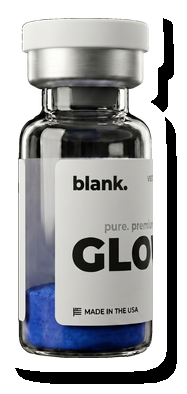
AOD-9604, the 16-amino-acid C-terminal fragment of human growth hormone (residues 176–191), has drawn steady interest in metabolic and adipose tissue research over the past decade. As more labs add it to their protocols, AOD 9604 purity has become a practical sourcing question rather than a marketing talking point. The certificate of analysis field is full of figures that look authoritative but vary considerably in what they actually measure — and for a compound this structurally specific, those differences affect experimental reproducibility.
What the Purity Percentage Actually Measures
A reported purity of >99% on a peptide COA refers to the relative abundance of the target compound in the sample, expressed as the percentage of the total UV-absorbing area under the HPLC chromatogram attributed to the main peak. That single figure compresses significant analytical work into one number.
For AOD-9604 specifically, the relevant impurities are truncated sequences from early synthesis termination, deletion variants where a single amino acid was missed during coupling, and oxidized methionine at position 1. The Met residue is susceptible to oxidation during both synthesis and storage. Standard reverse-phase HPLC won’t reliably resolve oxidized variants from the parent compound without a method specifically designed for that separation. This is why mass spectrometry confirmation matters alongside HPLC: MS identifies the exact molecular weight of the compound, confirming the sequence is intact rather than shortened or modified.
Research-grade AOD-9604 from our catalog carries a purity of >99% verified by reverse-phase HPLC and confirmed by mass spectrometry. Both values appear on the certificate of analysis for every batch.
Endotoxin Testing: The Metric HPLC Cannot Catch
Peptide purity and microbial safety are distinct properties. A sample can pass HPLC at >99% and still carry gram-negative bacterial endotoxins at concentrations that disrupt cell-based and in vivo assays. For any experiment measuring inflammatory markers or cytokine responses, sub-toxic endotoxin levels introduce confounds that can make a well-designed protocol uninterpretable.
Bacterial endotoxin testing — typically using the limulus amebocyte lysate (LAL) method — quantifies lipopolysaccharide contamination and reports results in endotoxin units per milligram (EU/mg). The actual numerical result should appear on the COA alongside the HPLC data, not just a “pass” notation. When the endotoxin result is a specific number rather than a binary judgment, a researcher can evaluate it against the sensitivity threshold of their specific assay.
Third-party testing through accredited laboratories like Freedom Diagnostics and Horizon Analytical provides an independent verification layer. When the synthesis lab and the testing lab are different entities, the purity claim is substantially harder to inflate. Both purity and endotoxin data are confirmed by third-party labs for every batch from our cGMP-compliant US facility.
What a Credible AOD-9604 COA Contains
Not all certificates carry the same analytical weight. A COA that supports research decisions should include identity confirmation by MS, with the molecular weight matching the theoretical ~1817 Da for AOD-9604. It should include an HPLC purity figure with the method noted — column type, mobile phase gradient — so a researcher can evaluate whether the method would resolve the specific impurities of concern. Endotoxin results in EU/mg with the actual number from the LAL assay, a lot number for batch traceability, and a testing date close to the shipment date round out what a credible certificate looks like.
Certificates showing purity ranges like “98–102%” without method specifics, or referencing “proprietary analysis” without identifying a testing lab, represent vendor-side quality control rather than independent verification. That distinction matters when compound identity and purity are experimental variables rather than assumed constants.
Storage Conditions and Purity Over Time
AOD-9604 in lyophilized form holds its purity reliably at −20°C for up to 24 months when stored away from moisture and light. The oxidation-susceptible methionine residue means that extended air exposure degrades purity over time, which is one reason properly produced vials are sealed under inert gas.
For labs running metabolic research alongside growth-axis work, tesamorelin is a related compound worth considering — it targets growth hormone releasing hormone receptors with a longer half-life and distinct mechanism. MOTS-c occupies the mitochondrial-metabolic research space and is sometimes studied alongside AOD-9604 in protocols examining energy regulation from two different biological angles.
When reconstituting for research use, 1 mL of bacteriostatic water per 10 mg of peptide yields a 1 mg/mL working solution. Reconstituted samples should be stored at 4°C and used within two to four weeks. Maintaining the cold chain from delivery through the end of the experiment preserves the purity the COA reported at the time of production.
FAQ
What specific impurities should a researcher look for in an AOD-9604 purity report?
The three most common synthesis-related impurities in AOD-9604 are truncated sequences from incomplete chain elongation, deletion variants from single amino acid omissions, and oxidized methionine at position 1. A purity figure without mass spectrometry confirmation doesn’t distinguish between the parent compound and a co-eluting oxidation product. Requesting the HPLC chromatogram alongside the percentage figure gives a clearer picture of how well-resolved the main peak actually is, and whether the method is capable of detecting the impurities most likely to form during synthesis of this particular sequence.
Why does the testing laboratory’s identity matter on a peptide COA?
An in-house COA reflects the synthesis lab’s own quality control measurements, conducted by the same facility that produced the compound. A third-party COA from an accredited lab like Freedom Diagnostics or Horizon Analytical represents independent analysis by a facility with no financial stake in the result. For research purposes, the distinction affects reproducibility confidence: a result confirmed by two separate analytical sources is harder to discount than a single internal measurement, and it’s more defensible in a lab notebook or publication record.
How does storage temperature affect AOD-9604 purity over time?
Lyophilized AOD-9604 stored at −20°C in a sealed vial is stable for up to 24 months. At refrigerator temperatures (4°C), that window shortens considerably. Once reconstituted, the oxidation rate accelerates and the working solution should be used within two to four weeks. Repeated freeze-thaw cycles on reconstituted material introduce physical stress on the peptide chain and are not recommended.
All products discussed are for laboratory research use only and are not for human or veterinary use.