Among the mitochondrially derived peptides that have entered the research catalog over the past decade, MOTS-c occupies a distinctive position. Its origin — encoded within the 12S rRNA gene of the mitochondrial genome rather than the nuclear genome — makes it a useful model for researchers studying mitochondrial signaling, insulin sensitivity, and aging-associated metabolic shifts. But for any lab designing a broader longevity or metabolic protocol, understanding MOTS-c alternatives clarifies how to allocate experimental resources across related compounds without duplicating coverage.
What Makes MOTS-c Distinct
MOTS-c is a 16-amino-acid peptide with a molecular weight of approximately 2174 Da. In published research, it has been associated with AMPK activation, regulation of the folate cycle, and mitochondria-to-nucleus retrograde signaling. Circulating MOTS-c levels in rodent and primate models decline with age, which has positioned it as a longevity research target alongside compounds that address mitochondrial function from structurally different angles.
One aspect that separates MOTS-c from most other peptides in the catalog is that it is endogenously produced in humans. Its plasma concentration changes in response to metabolic stress, caloric restriction, and exercise. This makes it relevant for researchers studying whether exogenous administration of mitochondria-derived signaling peptides can recapitulate or amplify physiological signals, particularly in aging models where endogenous production has declined.
NAD+ as a Metabolic Parallel
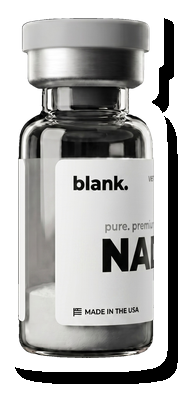
For labs focused on mitochondrial energy metabolism, NAD+ is a natural compound to consider alongside MOTS-c rather than as a direct replacement. Nicotinamide adenine dinucleotide is a redox cofactor central to both the electron transport chain and the sirtuin family of NAD+-dependent deacetylases. Where MOTS-c signals through AMPK and nuclear gene regulation, NAD+ operates at the substrate level — its availability directly gates the activity of SIRT1, SIRT3, and PARP enzymes involved in DNA repair and metabolic homeostasis.
One practical difference: NAD+ is not a peptide, so it does not require the same cold-chain handling or sequence-integrity verification by mass spectrometry. Its COA focuses on chemical purity and identity rather than amino acid sequence confirmation. Some protocols use both compounds to probe different levels of the mitochondrial signaling cascade — MOTS-c for the upstream retrograde signal, NAD+ for the downstream substrate availability. These are complementary research questions, not competing ones.
SS-31 and Mitochondrial Membrane Targeting
SS-31 (elamipretide) takes a structurally different approach to mitochondrial research. Rather than acting as a circulating signaling molecule, SS-31 is a synthetic tetrapeptide designed to penetrate the inner mitochondrial membrane and stabilize cardiolipin — the phospholipid that anchors cytochrome c and maintains the structural integrity of electron transport chain supercomplexes.
For researchers studying mitochondrial dysfunction models — ischemia-reperfusion injury, oxidative stress, or age-related ultrastructural changes — SS-31 targets the physical environment of ATP synthesis while MOTS-c targets the signaling output. These represent different experimental questions, and protocols that use both compounds can separate the contribution of structural mitochondrial support from metabolic signaling in a way that either compound alone cannot.
Handling SS-31 requires similar conditions to MOTS-c: lyophilized storage at −20°C, reconstitution in bacteriostatic water at 1 mL per 10 mg, and use within two to four weeks once reconstituted. The COA requirements — >99% HPLC purity, mass spec identity confirmation, bacterial endotoxin testing by Freedom Diagnostics and Horizon Analytical — are consistent across both compounds in the catalog.
Glutathione and the Antioxidant Research Angle
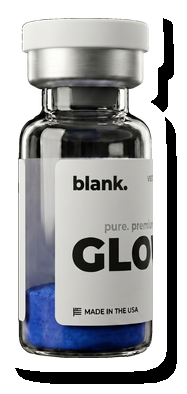
For researchers whose protocols address oxidative burden rather than mitochondrial signaling directly, glutathione represents a different tier of intervention. The endogenous tripeptide antioxidant works by buffering reactive oxygen species rather than regulating metabolic gene expression or structural mitochondrial integrity. Published research in aging models has examined whether restoring or elevating intracellular glutathione levels modulates oxidative stress outcomes at the cellular level.
Glutathione differs from MOTS-c, NAD+, and SS-31 in that it is not a signaling molecule. Choosing between them is a question of experimental framing: one approach investigates how mitochondrial signaling and substrate availability regulate cellular metabolism; the other investigates how antioxidant capacity shapes the oxidative environment those processes operate within.
For a full picture of the longevity and cellular health research catalog and how MOTS-c sits within it, the MOTS-c product page includes COA data and batch information for current stock. Processing time is within 1 business day from order confirmation, with domestic shipment from our US cGMP facility.
FAQ
How does MOTS-c differ mechanistically from other mitochondrial peptides in the catalog?
MOTS-c operates as a retrograde signaling molecule produced in mitochondria that translocates to the nucleus and modulates gene expression in response to metabolic stress. SS-31, by contrast, is a synthetic membrane-targeting peptide that acts locally within the mitochondrial inner membrane by stabilizing cardiolipin. The two compounds probe different aspects of mitochondrial biology — MOTS-c the signaling output, SS-31 the structural integrity of ATP synthesis. NAD+ differs from both in that it functions as a metabolic substrate and enzyme cofactor rather than a signaling peptide or structural stabilizer.
Can NAD+ and MOTS-c be studied together in the same protocol?
They are not redundant. NAD+ affects substrate-level availability for energy metabolism and deacetylase enzymes; MOTS-c affects upstream signaling through AMPK and the folate cycle. Research protocols using both compounds typically aim to separate the contribution of signaling (MOTS-c) from substrate availability (NAD+) in aging or metabolic dysfunction models. Running them together allows researchers to test whether effects attributed to one node are dependent on or independent of the other.
What purity standard should researchers expect for MOTS-c sourced for cell culture work?
For cell culture applications, HPLC purity of >99% is the baseline requirement, alongside bacterial endotoxin testing data with the actual EU/mg figure rather than a pass/fail notation. Endotoxin contamination activates innate immune pathways — particularly TLR4 — that can produce cytokine signals mimicking treatment effects in metabolic and aging assays. COAs from third-party labs like Freedom Diagnostics and Horizon Analytical provide independent verification that the purity figure wasn’t generated internally by the synthesis facility.
All products discussed are for laboratory research use only and are not for human or veterinary use.