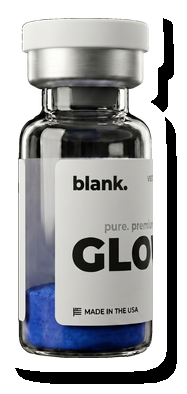
CJC-1295 DAC purity is one of the most misrepresented specifications in the research peptide market. Vendors cite >99% routinely, but the number means very little without knowing what it measures, how it is measured, and what a COA must show to substantiate the claim. For laboratories working with this compound, understanding the purity spec is foundational — it directly shapes how reliable the resulting data will be.
What CJC-1295 DAC Is and Why Synthesis Is Demanding
CJC-1295 with Drug Affinity Complex is a synthetic growth hormone-releasing hormone analog. The defining feature — a reactive fatty acid moiety that binds reversibly to serum albumin — is what extends the plasma half-life from hours to several days compared to unmodified GHRH peptides. That same modification is also what makes high purity harder to achieve at scale.
The peptide chain spans 30 amino acid residues. The DAC acylation step at the lysine side chain introduces several failure points: incomplete conjugation, oxidized lysine, and aggregated species that can co-elute with intact material on a standard reverse-phase column. Solid-phase peptide synthesis itself generates deletion sequences and epimerized residues as byproducts. Purification via preparative HPLC must separate the fully conjugated, correct-sequence target from all of these, and the resolution required is significantly higher than for shorter, unmodified peptides.
The practical consequence is that a batch of CJC-1295 DAC at 98% purity and a batch at >99% purity are not equivalent research tools. Removing that additional 1% of impurities can represent a two- to three-fold reduction in structurally related species with no defined receptor activity — compounds that could muddy results in binding assays or cell-based models.
Reading the COA: HPLC, Mass Spec, and Endotoxin
Reversed-phase HPLC using a C18 column is the standard purity assay for synthetic peptides. The sample is injected, separated under a gradient, and UV absorbance at 215 or 220 nm generates a chromatogram. The area under the main peak expressed as a percentage of total integrated area is the purity figure. At >99%, the main peak should dominate, with only minor traces visible at other retention times. Anything showing a large secondary peak warrants inquiry before purchase.
Mass spectrometry serves a different purpose: it confirms identity. The theoretical molecular weight of CJC-1295 DAC is approximately 3,647 Da. The observed mass — read from [M+H]⁺ or multiply charged ions — should match this within the instrument’s mass accuracy window. Peaks offset by characteristic amino acid masses indicate truncated sequences that survived purification. A COA without mass confirmation tells you the purity of whatever is in the vial, but not that it is actually CJC-1295 DAC.
Bacterial endotoxin testing is the third essential data point. Endotoxins are lipopolysaccharides shed from gram-negative bacteria; even in fully synthetic production workflows, they can enter through solvents, water, or equipment that was not properly depyrogenated. For most in vitro research applications, results below 2 EU/mg are the accepted standard, though tighter specifications are common in more sensitive assays. A COA that reports endotoxin values — not merely states “tested” — gives you something to actually evaluate.
Our CJC-1295 DAC is synthesized in our cGMP-certified US laboratories and independently verified by Freedom Diagnostics and Horizon Analytical before release. Each batch receives HPLC purity confirmation, mass spectrometry identity verification, and bacterial endotoxin screening, with results included in the documentation shipped with every order.
Storage and Reconstitution for Research Use
Lyophilized CJC-1295 DAC is stable at -20°C under properly sealed, dry conditions. Humidity accelerates oxidation at both the methionine residues and the acylated lysine site; light degrades the compound more slowly but consistently. Store vials sealed and below -20°C until the day of reconstitution.
For reconstitution, add 1 mL of bacteriostatic water per 10 mg of peptide. Direct the stream down the side wall of the vial rather than onto the lyophilized cake, and allow the material to dissolve with gentle swirling. Avoid vortex mixing — aggressive agitation can disrupt the DAC moiety under some conditions. Once reconstituted, store at 4°C and use within the timeframe your protocol specifies.
Freeze-thaw cycling is one of the most common causes of post-reconstitution purity loss. For studies requiring multiple draw points over days or weeks, aliquot the reconstituted stock into single-use volumes and freeze them. Each draw then involves only one freeze-thaw event per aliquot, keeping the bulk stock stable.
Comparing with Related GH-Axis Peptides
Researchers frequently run parallel experiments using multiple GHRH-related peptides. CJC-1295 No DAC — the unmodified GRF 1-29 analog — targets the same GHRH receptor but with a plasma half-life measured in minutes rather than days. The purity standard remains the same (>99%), but without the conjugation step, the synthesis is less complex and high purity is more consistently achieved across batches.
Ipamorelin is a pentapeptide GHRP often studied alongside CJC-1295 DAC in GH-axis research protocols. As a ghrelin mimetic acting at a different receptor, it requires HPLC purity confirmation against a much lower molecular weight target — roughly 711 Da compared to 3,647 Da for CJC-1295 DAC — but the interpretation of the COA follows identical principles.
Frequently Asked Questions
What should a >99% purity figure actually look like on the HPLC chromatogram?
The main compound peak should represent more than 99% of the total integrated UV area. In practice, a well-purified lot will often show a single dominant peak with only baseline-level noise at other retention times. If secondary peaks are visible but small enough to total less than 1%, the batch still meets specification — but their retention times can tell a trained eye something about what those impurities are.
Why is mass spectrometry confirmation necessary if HPLC purity is already high?
HPLC purity tells you what fraction of the UV-absorbing material elutes at the target retention time. It does not confirm the molecular identity of that material. A contaminating compound with similar HPLC behavior but wrong mass would pass a purity check while failing an identity check. Both pieces of data together establish that the vial contains what the label says and that it contains very little else.
How does the DAC modification affect the degradation pathway during storage?
Compared to unmodified GHRH analogs, the DAC-conjugated form is more susceptible to hydrolysis at the ester linkage under aqueous conditions. This is primarily a concern once the peptide is in solution; in the lyophilized state, degradation of the DAC attachment is negligible at -20°C. After reconstitution, the reconstituted material should be handled at 4°C and not held in solution for extended periods without aliquoting and re-freezing.
All products discussed are for laboratory research use only and are not for human or veterinary use.