Where to buy KLOW peptide comes up regularly in discussions about research blends designed for tissue repair and regeneration studies. KLOW is a multi-component peptide blend — compounds studied individually and in combination for their effects on inflammatory response modulation, cellular repair mechanisms, and related biological pathways. Because it’s a blend, the quality verification process has a few more steps than single-peptide sourcing, and understanding those before you order is time well spent.
KLOW in a Research Context
KLOW belongs to the regeneration and recovery research cluster. Labs running studies on tissue remodeling, post-injury cellular dynamics, or inflammatory pathway modulation tend to reach for KLOW when they want a standardized multi-component input rather than sourcing and combining individual peptides separately.
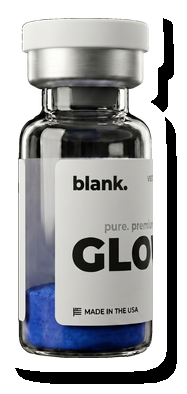
One question that comes up often is how KLOW differs from GLOW. Both are multi-component blends from the same catalog, but they target different research clusters. GLOW centers on skin and aesthetic peptide biology; KLOW is positioned for repair and regeneration-focused work. Some research programs run both in parallel, which is worth knowing when planning ordering and storage.
The blend format also means that a KLOW supplier needs to be doing more than testing the finished product. Each individual component in the blend should meet purity specifications before it goes into the formulation. Suppliers who can only produce a finished-product COA without individual-component documentation are offering an incomplete quality picture.
What the COA Must Include
For any peptide blend, the certificate of analysis is where quality is demonstrated or where it falls apart. For KLOW, a complete COA covers three things.
HPLC purity analysis confirms that the finished blend meets the >99% threshold expected for research-grade peptide work. Below that level, impurity profiles become uncertain enough to affect how you interpret assay results. Mass spectrometry confirms molecular identity — this is particularly important for a blend because it catches synthesis artifacts that HPLC alone might not flag. Bacterial endotoxin testing is the third requirement; it checks for contamination introduced during synthesis and is especially relevant for peptides used in cell culture or in vivo models where endotoxin interference is a known confounder.
Third-party testing is the standard that matters here. Freedom Diagnostics and Horizon Analytical are the two recognized independent labs for this compound class in the US market. A COA from either carries more credibility than one produced by the supplier’s own quality team.
Lot traceability is the final thing to verify: the lot number on the COA should match the batch on the vial label. A COA with no traceable lot is a documentation problem, not just a paperwork gap.
Choosing a KLOW Supplier
Supplier quality in the research peptide space varies considerably. What separates the more serious operators from the marginal ones is usually documentation completeness, supply chain transparency, and order handling.
The KLOW blend at Blank Peptides is manufactured in our US cGMP labs and ships with >99% purity certification backed by third-party testing from Freedom Diagnostics and Horizon Analytical. Every lot ships with a matched COA. Processing time is within 1 business day of order.
Researchers building out a regeneration-focused protocol may also find these companion pages useful:
- GHK-Cu, a copper tripeptide with an established literature in tissue remodeling and skin biology that overlaps with some of KLOW’s research cluster.
- BPC-157, a gastric pentadecapeptide with a substantial peer-reviewed preclinical record in tissue repair and gut mucosal research.
- KPV, a tripeptide with anti-inflammatory study applications that pairs naturally with regeneration-oriented research designs.
Reviewing the documentation structure across these pages before finalizing a protocol is worth doing, particularly if your design involves any of these compounds as comparison arms or controls.
Storage and Reconstitution
KLOW ships as a lyophilized white powder in sealed research vials. At delivery, inspect the seal integrity and the visual quality of the powder — any discoloration, moisture ingress, or unusual clumping should be flagged with the supplier before you proceed. Store at -20°C and limit the number of freeze-thaw cycles once the vial is in use.
For research reconstitution, the standard guidance for this peptide class is bacteriostatic water at 1 mL per 10 mg of peptide. Working dilutions can be prepared from there according to your assay concentration targets.
FAQ
What is the minimum COA data I should require before buying KLOW for in vitro research?
Three items: HPLC purity (≥99%), mass spectrometry confirmation of molecular identity, and bacterial endotoxin testing results — all tied to a specific lot number that matches the vials you’re receiving. Suppliers who can provide only HPLC data are leaving two meaningful gaps in the quality record.
How does KLOW differ from buying GHK-Cu alone for the same research program?
KLOW is a pre-formulated blend that includes GHK-Cu alongside other peptide components. For researchers studying the combined action of those components at a standardized ratio, the blend removes a preparation step and ensures consistent inputs across experimental runs. For researchers who need to vary individual component concentrations independently, sourcing each compound separately provides more control. Both approaches are appropriate depending on the study objectives.
Does buying a blend from a US cGMP facility change what documentation I should expect?
It changes the supply chain audit trail, not the documentation requirements. You still need HPLC, mass spec, and endotoxin data regardless of where the product is made. What US cGMP manufacturing adds is a documented and inspectable production process at each step. Offshore-sourced products can make it harder to trace quality discrepancies back to a specific point in the chain if questions come up later.
All products discussed are for laboratory research use only and are not for human or veterinary use.