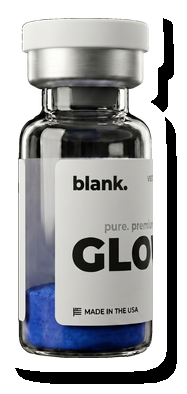
Is KLOW peptide legal to source for research in the United States? For investigators unfamiliar with how the US regulatory framework handles research compounds, the question is worth answering directly: KLOW’s components are not scheduled controlled substances, and the product is legally sold and purchased for bona fide laboratory research under current federal law. Understanding the basis for that answer—and what it requires of researchers—is what this guide covers.
The Regulatory Framework for Research Compounds
The FDA’s primary jurisdiction over peptide compounds applies to products intended for use in or on the body—drugs, biologics, and devices intended for human or veterinary therapeutic use. Research compounds sold explicitly for non-clinical laboratory use occupy a different space. They are not unapproved drugs in the sense of products being commercialized for human treatment; they are research-grade chemical substances subject to the same handling expectations as any other laboratory reagent.
KLOW is a proprietary blend of four peptides: GHK-Cu, BPC-157, TB-500, and KPV. Researchers should verify the scheduling status of any compound before acquiring it. None of the four components in KLOW appears on the DEA’s Controlled Substances Act schedule as of the current regulatory period. GHK-Cu is a copper-coordinated tripeptide with a history in cosmetic science and preclinical research. BPC-157 is a synthetic gastric peptide studied across tissue repair models. TB-500 is a thymosin beta-4 analog without scheduling status. KPV is a tripeptide derived from alpha-MSH with a gut inflammation research profile. No federal scheduling applies to any of them.
The practical conclusion: purchasing KLOW for documented laboratory research from a compliant US domestic supplier is legal under current federal framework.
What “For Research Use Only” Requires in Practice
The research-use designation isn’t a legal technicality written in small print to disclaim liability—it’s a substantive condition that defines how the compound should be used. Research compounds are appropriate for in vitro assays, animal model studies, and non-clinical research applications. They are not for administration to human subjects, not for compounding into clinical preparations, and not for sale with therapeutic benefit claims.
Researchers working with KLOW should maintain documentation of the research purpose, follow proper storage protocols, and operate within any applicable institutional review frameworks. Universities, independent research labs, and biotech companies using KLOW in a properly documented research context face no federal legal exposure from the purchase itself.
Each of KLOW’s components—GHK-Cu, BPC-157, TB-500, and KPV—appears in peer-reviewed publications from academic and pharmaceutical research institutions, establishing the recognized scientific context for these compounds in non-clinical settings.
Sourcing Compliance: Why the Supplier Matters
The legality of a compound at the federal level is one consideration; the compliance posture of the supplier is another. A research compound purchased from an overseas supplier operating outside cGMP standards may arrive with incorrect labeling, undocumented impurities, or adulterated composition—none of which is visible without independent testing. Domestically manufactured peptides from cGMP-compliant facilities carry significantly lower risk on all of those dimensions.
KLOW from Blank Peptides is manufactured in our cGMP labs in the USA, tested to >99% purity by Freedom Diagnostics and Horizon Analytical, and undergoes bacterial endotoxin testing with numeric values documented in the batch certificate of analysis. Researchers reviewing that certificate will find component-level HPLC data and explicit endotoxin figures—not a single line summary with no supporting data.
Processing time is within 1 business day. Domestic shipping eliminates customs holding, international cold-chain interruptions, and the documentation ambiguities that accompany cross-border research compound imports.
State-Level Considerations
Federal law governs research compound sales across the United States, but individual states retain the authority to add restrictions for certain substance categories. No state currently schedules GHK-Cu, BPC-157, TB-500, or KPV, and no state-level law specifically restricts KLOW as of this writing. Researchers working within institutional frameworks should check their compliance office’s specific guidance if the institution has internal procurement policies beyond federal minimums.
Researchers funded by federal grants should also confirm that their grant terms don’t impose specific restrictions on research compound sourcing—some agencies have vendor approval requirements that operate independently of federal scheduling law.
Frequently Asked Questions
Does buying KLOW for research require a DEA license?
No. DEA registration is required for compounds listed on Schedules I through V of the Controlled Substances Act. GHK-Cu, BPC-157, TB-500, and KPV are not listed on any schedule. No DEA registration is needed to purchase, store, or use KLOW for non-clinical research purposes.
Can an independent researcher (not affiliated with a university) purchase KLOW legally?
Yes, under current federal law. There is no requirement that research compound purchases originate from an institutional account. Independent researchers should nonetheless maintain documentation of the research purpose and keep proper storage records. Purchasing research compounds without any documented research intent creates unnecessary compliance ambiguity, even when the purchase itself is legal.
Does the multi-component nature of KLOW affect its regulatory status?
No. A blend of four non-scheduled peptides does not acquire scheduling status by virtue of being combined. Each component’s regulatory status is evaluated individually, and none of KLOW’s components is a scheduled substance. The blend formulation is covered by the same research compound framework as its individual peptides.
All products discussed are for laboratory research use only and are not for human or veterinary use.