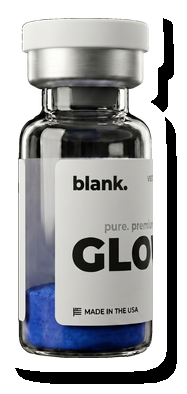
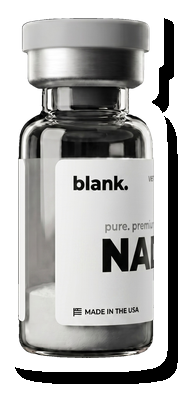
The klow vs wolverine comparison comes up regularly for researchers sourcing multi-peptide formulations. Both blends include BPC-157 and TB-500, which creates surface-level similarity. Past that overlap, though, the two products differ in ways that matter for study design: KLOW adds GHK-Cu and KPV, while Wolverine stays focused on the two recovery-oriented peptides. Knowing what each formulation includes—and what it omits—is the starting point for matching the right blend to a given research protocol.
Component Breakdown
KLOW is an 80mg lyophilized blend of four peptide components. GHK-Cu (glycyl-L-histidyl-L-lysine copper) is a tripeptide with a copper coordination site; it appears in research literature covering skin repair, hair follicle biology, wound healing, and collagen synthesis. BPC-157 is a synthetic 15-amino acid peptide studied in angiogenesis and tissue integrity models across multiple organ systems. TB-500, a synthetic analog of thymosin beta-4, has a research profile centered on actin dynamics, cell migration, and recovery in soft tissue models. KPV (Lys-Pro-Val) is a C-terminal fragment of alpha-MSH with published research in gut mucosal inflammation and NF-κB pathway modulation.
The Wolverine blend builds around BPC-157 and TB-500 without GHK-Cu or KPV. The formulation is narrower by intent: its research relevance concentrates on musculoskeletal repair, soft tissue recovery, and regeneration models where those two peptides have the strongest individual publication records.
Both products are manufactured in our cGMP labs in the USA and verified at >99% purity by Freedom Diagnostics and Horizon Analytical, with bacterial endotoxin testing on every batch.
Research Emphasis: A Direct Contrast
For musculoskeletal and soft tissue recovery research—tendon healing models, ligament repair studies, bone stress recovery—Wolverine’s two-component profile is appropriately focused. BPC-157 and TB-500 together address the angiogenic and cytoskeletal dimensions of tissue repair. In studies where the primary endpoints are histological markers of tendon or muscle recovery, skin repair and gut inflammation are not relevant variables. Adding GHK-Cu or KPV to such a model could introduce signal that doesn’t map to the study’s readouts.
KLOW is designed for broader research programs. The addition of GHK-Cu extends the formulation into dermal and follicular research; KPV brings gut mucosal and systemic inflammatory contexts into scope. Investigators running models that cross tissue types—for example, studying how inflammatory regulation affects musculoskeletal repair outcomes—may find the four-component formulation useful because both pathways are addressed in a single preparation.
A study using KLOW and Wolverine in parallel could isolate the contribution of GHK-Cu and KPV to observed outcomes, since BPC-157 and TB-500 are present in both. That kind of controlled formulation comparison is uncommon in the literature but methodologically sound.
Purity Standards and Documentation
For any multi-component blend, the certificate of analysis should identify each peptide individually. A COA that reports only a single composite purity figure across a two- or four-component formulation leaves too much ambiguity about the specific identity and concentration of each component.
Both KLOW and Wolverine ship with third-party COAs from Freedom Diagnostics and Horizon Analytical that break down each component, report HPLC-derived purity values, and document mass spectrometry confirmation of molecular weight. Endotoxin values appear as numeric results, not as pass/fail shorthand.
Researchers should ask for this documentation before committing to a supplier. A vendor that cannot produce component-level testing data for a multi-peptide blend is not equipped to support rigorous research work.
Storage and Reconstitution
Lyophilized vials for both KLOW and Wolverine should be stored at −20°C for long-term preservation or at 2–8°C for short-term use. Working solutions after reconstitution belong at 2–8°C.
TB-500 is sensitive to mechanical agitation during reconstitution. Roll the vial gently rather than shaking it; avoid pipetting aggressively once the peptide is in solution. BPC-157 reconstitutes readily and is reasonably stable in solution at refrigerator temperatures. GHK-Cu in solution follows similar stability guidelines: refrigerated, away from repeated freeze-thaw cycles.
Both blends should be reconstituted with bacteriostatic water. The volume depends on the desired working concentration for the research protocol; standard multi-peptide blend reconstitution is typically done in small volumes to keep concentrations practical for injection-based animal studies.
Frequently Asked Questions
Why would a researcher choose Wolverine over KLOW if KLOW has more components?
More components isn’t inherently better for study design. Adding GHK-Cu and KPV to a musculoskeletal repair model introduces variables that aren’t relevant to the study’s endpoints and could confound interpretation if the readout doesn’t account for dermal or inflammatory contributions. Wolverine’s narrower formulation is the correct choice when the research question is tightly focused on BPC-157 and TB-500 mechanisms.
Do KLOW and Wolverine have different regulatory considerations?
No. Both blends are sold for research use only, contain no scheduled controlled substances, and are not FDA-approved drug products. The same research-use-only framework applies to both. Neither requires special licensing to purchase for laboratory research in the United States.
Is the “Wolverine” product name meaningful for regulatory purposes?
No. Brand names on research peptide products carry no regulatory classification. The name is a commercial designation. The relevant regulatory and research characteristics come from the component peptides’ individual profiles—BPC-157 and TB-500—not from the product name.
All products discussed are for laboratory research use only and are not for human or veterinary use.