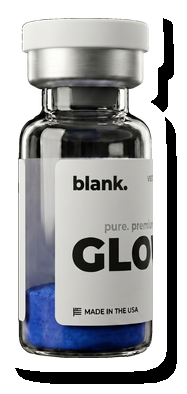
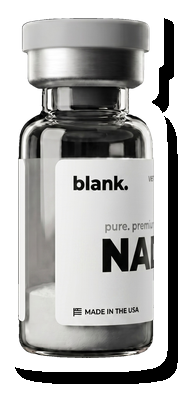
Researchers working with proprietary peptide blends frequently run into the same question: how does klow vs glow actually differ when you get past the label? Both products come from the same family of GHK-Cu-based formulations, and at a glance the ingredient lists look almost identical. The difference is meaningful, though—not cosmetic—and which blend fits a given study depends entirely on what the investigator is trying to measure.
What Goes Into Each Blend
KLOW combines four peptide components: GHK-Cu (copper tripeptide), BPC-157, TB-500, and KPV. Each carries a distinct research history. GHK-Cu has been the subject of decades of published work examining copper-dependent signaling in connective tissue and skin. BPC-157, a pentadecapeptide derived from gastric juice protein, appears across angiogenesis and tissue integrity studies. TB-500—a synthetic thymosin beta-4 analog—is studied in models of actin dynamics and cell migration. KPV (the tripeptide Lys-Pro-Val) is the component that sets KLOW apart; it has been investigated primarily in gut inflammation models and contexts where mucosal barrier function is the relevant endpoint.
GLOW combines GHK-Cu, BPC-157, and TB-500—the same three structural-research peptides—without KPV. The result is a 70mg formulation focused on skin, wound healing, and connective tissue repair research, without the fourth anti-inflammatory variable that KLOW adds.
Both blends are manufactured in our cGMP labs in the USA, verified at >99% purity, and third-party tested by Freedom Diagnostics and Horizon Analytical. Bacterial endotoxin testing results appear on every batch certificate.
Research Focus: Where the Blends Diverge
The practical research distinction is KPV. For investigators studying dermal repair, wound healing, or hair follicle biology, GLOW’s three-component profile is sufficient. GHK-Cu, BPC-157, and TB-500 together cover the signaling pathways that dominate those models. Adding KPV in such designs would introduce a second mechanistic variable—NF-κB modulation—that could complicate interpretation if gut or systemic inflammation isn’t part of the study design.
KLOW‘s inclusion of KPV makes the formulation relevant for research programs that span both structural repair and inflammatory regulation. Animal models examining gut permeability, intestinal barrier integrity, or systemic inflammatory markers may benefit from a formulation that includes KPV alongside the three other components. KPV’s published research background covers NF-κB pathway activity and mucosal protection—mechanistically distinct from GHK-Cu’s copper-coordinated signaling, though the two may be complementary in multi-target study designs.
Neither blend is intended for human subjects. Both are formulated for laboratory research applications, and investigators should match blend selection to their specific model endpoints based on the published literature for each component.
Vial Specifications and Handling
KLOW is available in 80mg vials; GLOW in 70mg. The mass difference reflects the KPV addition, not a change in the concentration of the shared peptides. Both are lyophilized powders requiring reconstitution before use.
Storage conditions are the same for both: keep lyophilized vials at −20°C for long-term storage and at 2–8°C for short-term use. After reconstitution, store working solutions at 2–8°C. Do not freeze reconstituted material. GHK-Cu in solution is relatively stable at refrigerator temperatures but should not be left at ambient temperature for extended periods.
For a multi-peptide blend, the certificate of analysis should report on each component individually. A COA that covers only one peptide within a four-component formulation leaves verification gaps. Both KLOW and GLOW from Blank Peptides ship with documentation that addresses each component.
Selecting the Right Blend for a Study
The question of klow vs glow is really a question of whether KPV belongs in the study design. A few practical decision points:
Study models focused on skin, wound closure, collagen remodeling, or follicular biology are typically well-served by GLOW. The GHK-Cu research literature in those areas is extensive, and BPC-157 adds a tissue protection angle without requiring the KPV pathway.
Study models that combine tissue repair with inflammatory phenotypes—particularly gut models or studies using systemic inflammatory readouts—are better matched to KLOW. The four-component profile lets investigators address both mechanisms without preparing separate compound solutions.
Researchers who need to isolate the contribution of KPV specifically may consider running KLOW and GLOW in parallel groups, using GLOW as the KPV-absent comparator. This is a methodologically sound design for controlled formulation comparison studies.
Frequently Asked Questions
Can KLOW and GLOW be run in the same study as comparators?
Yes, and it is a reasonable design for isolating KPV’s contribution. Because the two blends share GHK-Cu, BPC-157, and TB-500, a parallel-group study can treat GLOW as the baseline formulation and KLOW as the KPV-added condition. The shared components act as a partial control. Pilot studies to establish dosing equivalency between the two vial masses (80mg vs 70mg) are advisable before scaling up.
Is KPV in KLOW derived from a natural peptide sequence?
KPV (Lys-Pro-Val) corresponds to the C-terminal tripeptide fragment of alpha-MSH, a naturally occurring melanocortin peptide. The synthetic form used in research preparations shares the same amino acid sequence as this terminal region. Its anti-inflammatory activity in preclinical models has been characterized primarily in gut mucosa, though more recent work has extended into systemic inflammatory contexts.
Which blend has more published research to draw from?
GHK-Cu, BPC-157, and TB-500 each have substantial individual publication records going back decades. Studies combining two or more of these peptides also exist in wound healing and connective tissue literature. KPV has a smaller but focused body of work, primarily in gut inflammation research. Multi-component combination studies at the exact blend formulation level are uncommon; researchers will draw on the individual component literature as the primary reference base for either blend.
All products discussed are for laboratory research use only and are not for human or veterinary use.