When the Research Question Demands a Single Variable
The glow vs ghk-cu decision is fundamentally a protocol design question. GHK-Cu is a tripeptide-copper complex — glycyl-L-histidyl-L-lysine chelated with a copper(II) ion — with over four decades of published work spanning collagen matrix studies, hair follicle signaling, and angiogenesis models. Sourcing it as a standalone compound is the right call when the experiment needs a clean read on copper peptide activity and nothing else should vary.
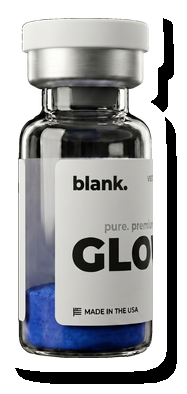
GLOW is a 70 mg blend containing GHK-Cu alongside BPC-157 and TB-500 in a single lyophilized vial. Each component contributes a distinct research profile: TB-500 carries a body of published work around actin dynamics and cell migration; BPC-157 appears across vascularization and gut-mucosal investigations. The blend does not isolate any one mechanism. That is its purpose and its constraint simultaneously, and knowing which situation you are in determines which format to order.
Research Scenarios Where GLOW Has an Advantage
Some study designs are not trying to isolate a single compound — they are modeling an environment where multiple peptide signals interact. Skin repair and connective-tissue protocols, for instance, often involve overlapping pathways. Using GLOW in those designs provides three separately validated compounds under one lot number, with a single HPLC-confirmed COA from Freedom Diagnostics or Horizon Analytical.
Procurement is simpler: one vial, one certificate, one reconstitution step. The fixed formulation reduces inter-batch variation because the same manufacturing run produces all three components together. For researchers running repeated assays over a multi-week protocol, lot consistency across GHK-Cu, BPC-157, and TB-500 is easier to maintain when they share a vial than when sourced independently from three separate purchase orders.
GLOW also serves as a useful initial screening tool. If a lab is evaluating whether these three peptide classes together produce an effect of interest — before committing to the time and cost of a full single-compound series — the blend provides a low-overhead entry point. A positive result in a GLOW-treated arm can justify the follow-up single-compound experiments that attribute the effect to a specific component.
When Standalone GHK-Cu Is the Appropriate Choice
If the experiment requires attributing outcomes to a specific peptide, standalone GHK-Cu is the only defensible option. The blend introduces two additional variables that cannot be held constant. Any observed effect in a GLOW-treated sample could originate from GHK-Cu, BPC-157, TB-500, or some combination of the three. That is scientifically interesting in screening contexts and a confound in every other situation.
Dose-response work is another scenario where the standalone makes more sense. GLOW comes at a fixed ratio of its three components. GHK-Cu purchased individually can be diluted to any concentration the protocol requires without affecting the relative abundance of the other compounds. Researchers working at submicromolar concentrations often need that level of granular control over each variable.
Institutional documentation is a less glamorous but real factor. Academic protocols requiring detailed justification of every compound used in a research model will find a single-ingredient vial easier to document than a multi-compound blend. Some compliance offices require a separate compound rationale for each ingredient; a blend means three rationale entries from a single vial.
Vial Specs, Storage, and Reconstitution
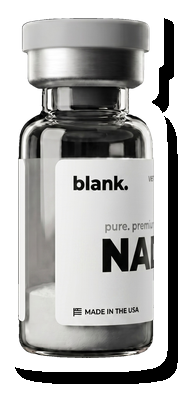
Both GLOW and standalone GHK-Cu ship as lyophilized white powders from our cGMP labs, made in the USA, tested to >99% purity. GLOW comes in a 70 mg vial; standalone GHK-Cu is available in 100 mg and larger presentations.
For GLOW, 3 mL of bacteriostatic water per vial is the standard reconstitution volume. GHK-Cu follows the general 1 mL of bacteriostatic water per 10 mg of peptide convention, capped at 3 mL. Both formats should be stored at −20°C lyophilized and at 4°C after reconstitution. Working stocks in bacteriostatic water are generally stable for 28 days refrigerated when kept away from repeated freeze-thaw cycles.
The KLOW blend adds KPV to the GHK-Cu/BPC-157/TB-500 combination in an 80 mg vial, making it the relevant comparison if KPV’s peptide activity is also within scope. Selecting between GLOW and KLOW for a blend, or between either blend and standalone GHK-Cu, should follow the same logic: the experimental question defines the compound format, not the other way around.
FAQ
Can GHK-Cu from a GLOW vial be isolated for single-compound experiments?
No practical method exists to separate the three components once reconstituted. If isolated GHK-Cu is needed at any point in the protocol, that arm should use a standalone vial rather than attempting downstream separation from the blend. Running parallel arms — one with GLOW, one with standalone GHK-Cu — is the cleaner experimental approach if both conditions are needed.
Does GLOW use a different form of GHK-Cu than the standalone product?
Both products use the same molecule: the copper-chelated tripeptide glycyl-L-histidyl-L-lysine. In GLOW, GHK-Cu is co-lyophilized with BPC-157 and TB-500, which affects reconstitution volume and handling logic but not the molecular identity or chemistry of the copper peptide itself.
How is each component’s purity verified in a multi-peptide blend?
Each component is tested individually by HPLC before blending to confirm >99% purity. The final vial’s COA from Freedom Diagnostics or Horizon Analytical reports per-component purity data alongside bacterial endotoxin testing results for the finished product. Researchers should request a lot-specific COA that shows individual component figures, not just an aggregate blend purity.
All products discussed are for laboratory research use only and are not for human or veterinary use.