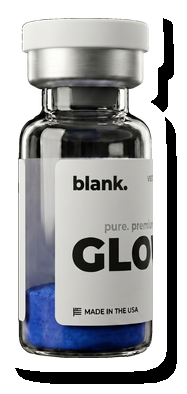
The Short Legal Answer
GLOW is legal to purchase in the US for laboratory research use. None of its three components — GHK-Cu, BPC-157, or TB-500 — appear on the DEA’s controlled substances schedules. The FDA has not approved any of them as drugs, which means they fall outside pharmaceutical regulation and are not classified as prescription compounds. Is glow peptide legal for researchers ordering it for academic or commercial lab work? Under current federal statute, yes.
The regulatory framework that applies to GLOW is the same one governing other unscheduled research peptides: they can be sold, purchased, and used as research chemicals provided that use is explicitly for in vitro or laboratory animal research and not for human consumption. The legal status flows from what the product is, how it is sold, and how it is used — not from any inherent prohibition on the molecules themselves.
The FDA’s Framework for Unapproved Research Compounds
The FDA regulates whether a substance is marketed as a drug. A compound becomes subject to pharmaceutical law when it is sold with claims of treating, curing, or preventing disease in humans. Research peptides sold explicitly under a “for laboratory research use only” designation — with no accompanying therapeutic claims — operate outside that regulatory pathway.
GHK-Cu has been the subject of FDA-funded research and appears in published studies examining dermal applications. BPC-157 and TB-500 are synthetic peptides under active investigational interest. None of the three components of GLOW have received FDA approval as drugs, which is consistent with their classification as research compounds. Suppliers operating within this framework avoid therapeutic claims, restrict sale to research buyers, and provide documentation — COAs from Freedom Diagnostics and Horizon Analytical — that confirms identity and purity for laboratory purposes.
State-Level Considerations
No US state has enacted specific legislation targeting the three peptides in GLOW. State-level analog laws, which extend controlled substance restrictions to chemically similar compounds, have not been applied to GHK-Cu, BPC-157, or TB-500 as of 2026. The more common state-level consideration involves broader substance analog statutes that, in some jurisdictions, are interpreted expansively — though peptides in this category have not been enforcement targets under those laws.
Researchers at academic institutions should verify their organization’s internal policies. Many universities require department-level review before researchers can order research chemicals from commercial suppliers, regardless of the compound’s legal status at the federal level. That internal approval step is separate from the question of federal legality; both apply independently. Labs operating under IACUC oversight for animal models should confirm that research peptide use fits within their approved protocol scope.
KLOW and GHK-Cu sold individually carry the same regulatory profile: unscheduled research compounds sold for qualified laboratory use, with no approved medical application.
What “For Research Use Only” Means in Practice
The RUO designation is a commercial and legal classification, not a disclaimer to ignore. It communicates that the product has not been approved for any clinical use and that the buyer accepts responsibility for ensuring it is used in a qualified research context.
From a practical standpoint, this means GLOW should be received, stored, and used within a controlled laboratory setting by or under the supervision of a qualified researcher. It should not be prepared for or administered to humans outside of an approved clinical trial protocol. Orders should reflect institutional research needs, not personal use. Processing time within 1 business day from dispatch to shipping reflects the commercial operation on the supplier’s side; receiving researchers are responsible for logging receipt and ensuring proper lab-access conditions at their end.
The distinction between federal legality and appropriate use matters. A compound being legal to purchase does not automatically authorize every possible use of it. IRB and IACUC protocols, institutional compliance requirements, and lab-specific SOPs define what authorized use looks like in practice.
FAQ
Is there a license or certification required to purchase GLOW?
No federal license is required to purchase unscheduled research peptides, including GLOW. Commercial suppliers typically restrict sale to research buyers and may request institutional affiliation at checkout, but no government-issued permit is needed. Institutional researchers should confirm their organization’s internal purchasing policies, as some universities require department-level approval for commercial research chemical orders.
Does GLOW’s multi-compound formulation create any additional regulatory complexity?
Not at the federal level. The regulatory analysis applies to each component individually: GHK-Cu, BPC-157, and TB-500 are all unscheduled. A blend of three unscheduled research compounds remains unscheduled. The complexity is more practical than legal — documentation requirements for multi-compound formulations at some institutions may require identifying each component separately, which means having the COA’s component breakdown available.
What should researchers do if regulatory guidance changes?
Monitor FDA and DEA communications relevant to research peptides. A change in scheduling status for any of GLOW’s components would affect that component specifically and would prompt supplier notifications. Checking for updated COAs and product availability at the time of each order — rather than assuming prior purchases represent current status — is the most reliable approach to staying compliant as guidance evolves.
All products discussed are for laboratory research use only and are not for human or veterinary use.