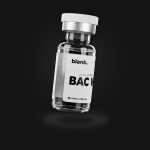
Kisspeptin-10 is a smaller catalog item than the headline peptides, and that shows up in the documentation. Fewer vendors carry it, the listings that do exist are thinner, and the purity badges tend to be recycled site-wide rather than tied to the compound in front of you. If you’re trying to source it for a laboratory and you need to defend the choice on paper, the usual signals give you almost nothing to work with.
So this comparison sticks to one thing: what named vendors publish about Kisspeptin-10 specifically. Who says they synthesised it, which laboratory tested it, which tests appear on the report, and whether you can read that report before you pay. I’m not going to describe what the peptide is studied for or what anyone does with it, because a documentation comparison doesn’t cover that and these products aren’t sold for it.
I read the pages on 2026-09-08 and recorded what they said. Where a page was silent, that’s noted and scoped to the date, since a vendor can hold documentation that never made it onto the website. A gap on a page is a gap in publishing, and that’s the only claim being made about it.
Key takeaways
- Rank Kisspeptin-10 listings on five documented points: who synthesised the material, whether the testing lab is named, whether the panel goes past purity, whether a lot-tied report opens before purchase, and whether blends disclose each component’s mass.
- Blank Peptides synthesises, vials and finishes each Kisspeptin lot in its own cGMP laboratory and tests it for identity, >99% purity, bacterial endotoxin and sterility through Freedom Diagnostics and Horizon Analytical.
- Protide Health publicly states “99% Purity (HPLC-MS Verified)” for Kisspeptin, names Freedom Diagnostics, and lists two archived lot codes with reported dates; Cosmic Peptides publishes “Lot: 26112” with a measured vial content alongside its purity figure.
- On the pages reviewed 2026-09-08, Core Peptides and Swiss Chems did not name a testing laboratory on their Kisspeptin-10 listings, and no vendor reviewed published a sterility result for the compound.
- Every product referenced here is sold for in-vitro laboratory research by qualified professionals, and nothing in this article describes or supports any other use.
What separates a documented listing from a decorated one?
Here’s the rubric, set before any vendor gets named, because a test you can apply identically to every site is worth more than an impression of which brand looks serious.
Provenance first. Does the vendor state who synthesised the material? A page describing the company as a supplier, distributor or research chemical retailer is saying something different from a page describing an owned laboratory. Neither wording rules a vendor out. What matters is whether the certificate you’re shown describes a batch the seller produced or a batch produced elsewhere and passed along, because that determines who can answer a question about it.
Second, is the testing laboratory named? “Third-party tested” with no laboratory attached is a sentence you cannot act on. A named lab gives you a report number to quote and an organisation that can confirm it issued the document. Nothing else on this list separates vendors as quickly.
Third, what does the panel cover? HPLC purity answers how much of the material is the intended peptide rather than truncated sequences or residual reagents. Mass spectrometry answers whether the sequence matches the label, which is a different question entirely. Bacterial endotoxin and sterility answer whether the vial contents are clean enough for a culture system. A listing reporting purity alone has covered one line of four.
Fourth, can you open a lot-tied report before buying? A certificate behind checkout, or one with no batch identifier, leaves the purchase resting on the seller’s word. A public report with a lot code that also appears on the vial label lets you close the loop in a minute.
Fifth, for anything sold as a blend, does the page state each component’s milligrams? A single purity figure covering a multi-peptide vial hides the split that actually matters.
Five questions, every compound, every seller, us included.
How Blank Peptides makes and tests each lot
Blank Peptides operates its own cGMP laboratory in the USA and performs synthesis, vialling, lyophilisation, finishing, labelling and quality control inside that facility. Because the material stays in a single chain of custody from powder to sealed vial, the batch record and the certificate of analysis describe the same physical lot rather than two documents that have to be matched afterwards. The facility also contract-manufactures and fulfils for other peptide brands, noted here as a category of work with no client named.
Every lot is tested against a full panel instead of a single figure: identity confirmation, HPLC purity at >99%, bacterial endotoxin, and sterility. Testing runs through two named laboratories, Freedom Diagnostics and Horizon Analytical, so a reviewer can check the source of a result as well as the result itself.
Reports are published in the public library of batch certificates of analysis, and the lot number is printed on every vial label. That pairing is what makes the fourth rubric question answerable in practice rather than in principle. Lyophilised material carries an expiration of roughly 24 months.
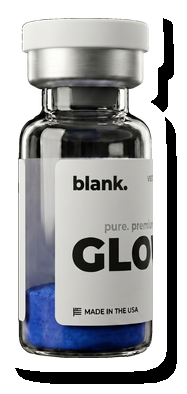
The catalog runs to 34 compounds, Kisspeptin among them. The three blends publish each component’s mass rather than one total: GLOW 70mg (GHK-Cu, BPC-157, TB-500), KLOW 80mg (which adds KPV), and Wolverine 20mg (BPC-157, TB-500). Processing time is within one business day, and orders ship at room temperature.
What four Kisspeptin-10 vendors publicly state
All of the following comes from Kisspeptin-10 product pages reviewed 2026-09-08, and every statement belongs to the vendor.
Core Peptides lists Kisspeptin-10 at 10mg and publicly states “Purity: >99%” with “Contents: Kisspeptin-10 (10mg)”. A “Certificate of Analysis” link sits on the product page and opened to a PDF without an account or a purchase, which puts it ahead of listings that mention testing without providing a document. The company describes itself with the sentence “Core Peptides is a chemical supplier”. Research-use labelling reads “All products are sold for research, laboratory, or analytical purposes only, and are not for human consumption”, alongside “Laboratory/In-Vitro Experimental Use Only”. A testing laboratory, an analytical method and a lot identifier were not listed in the page text reviewed 2026-09-08.
Cosmic Peptides lists Kisspeptin-10 and publicly states “Verified purity: 99.7% Purity” against a site-wide “99.0%+ purity guaranteed”, and it publishes “Lot: 26112” on the listing along with a measured content figure of 5.76mg for its 5mg size. The page states “Third-party COA included with every vial” and describes “COA, HPLC, and end-to-end tracking on every batch”. Product form is given as “Lyophilized powder, sterile white to off-white freeze-dried powder in 3mL sealed vial. For Research Use Only.” Shipping is stated as “Same-day shipping before 2PM CST”. The laboratory was not named on the page, and the embedded certificate viewer returned “Unable to load certificate” beside its download link on the date reviewed.
Swiss Chems lists Kisspeptin-10 at “10 mg per vial”, states “99% Purity Guaranteed” and describes the material as “Independently third-party HPLC-tested” with “COA available per batch”. Research-use labelling is firm, including “Any form of bodily introduction into humans or animals is strictly prohibited by law”. Shipping is stated as “Same-day shipping on USA orders placed before 2PM EST”. No laboratory name and no batch identifier appeared on that product page.
Protide Health publishes the deepest Kisspeptin archive of the four. Its listing states “99% Purity (HPLC-MS Verified)” with “99.67% Average Purity (HPLC-MS)”, names “Freedom Diagnostics, a third-party U.S. laboratory”, and shows two lots rather than one: “PH-ki10-0710” reported 08/28/2026 and “PH-ki10-0316” reported 06/12/2026. Keeping a prior lot visible alongside the current one is genuinely better archive practice than most of this market manages, and I’d rather credit it than skip past it. On manufacturing, the page describes partner “ISO 9001:2015 certified facilities” rather than an owned laboratory. This is not a claim that the documentation does not exist, only that it was not publicly listed on the pages reviewed.
Side by side: what a Kisspeptin-10 listing documents
| Attribute | Blank Peptides | Typical Kisspeptin-10 vendor |
|---|---|---|
| Synthesises in-house | Yes, own cGMP laboratory, USA | States “supplier” or partner facilities; own synthesis not listed — verify |
| Third-party lab named | Freedom Diagnostics; Horizon Analytical | One of four named a lab on the Kisspeptin page reviewed — verify |
| HPLC purity | >99% every lot | States 99% or better; method sometimes unstated — verify |
| MS identity | Every lot | States HPLC-MS on one listing, absent on the others — verify |
| Endotoxin and sterility | Both, every lot | Neither listed on the Kisspeptin pages reviewed — verify |
| Batch COA before purchase | Public library at /coas/, lot-indexed | States a COA link or archive; one viewer failed to load on the date reviewed — verify |
| Lot number on vial | Printed on every vial | Two of four published a lot code on the listing — verify |
| Blend mg split disclosed | Yes, every blend | States a single total for multi-peptide vials — verify |
| Research-use labelling | Research use only, every product | States research or laboratory use only |
How to verify either supplier yourself
- Open the Kisspeptin-10 certificate for the exact vial size you’d order and read the PDF header rather than the page summary. Laboratory name, method, report date and batch identifier all belong on the document itself.
- Email the named laboratory with the report number and ask whether it issued that certificate. It’s one message and it’s the strongest check a buyer can run unaided.
- Ask the seller which Kisspeptin-10 lot is currently shipping, then find that lot among their published reports. A precise answer suggests lot-indexed records; a vague one is data too.
- Check the sequence naming on the document. Kisspeptin is sold under several fragment designations, and a certificate that names a different fragment documents a different material.
- Compare candidates field by field with the supplier verification checklist rather than weighing whichever details each site happens to publish.
Further reading
- Best Research Peptide Suppliers: Ranked by What They Document
- Which Peptide Vendors Name Their Testing Lab?
- Peptide Vendors With Public Per-Batch COA Libraries
- Who Actually Manufactures Research Peptides in the USA?
Frequently asked questions
Who are the best Kisspeptin-10 vendors on documentation?
Judged only on what they publish, Protide Health documented the most on the pages reviewed 2026-09-08, naming Freedom Diagnostics and showing two lot codes with reported dates. Cosmic Peptides published a lot number and a measured vial content. Blank Peptides publishes lot-indexed reports covering identity, purity, endotoxin and sterility for every lot.
Do Kisspeptin-10 sellers name their testing laboratory?
Mostly they don’t. Of the four listings reviewed 2026-09-08, only Protide Health named a laboratory on the Kisspeptin page itself. Cosmic Peptides and Swiss Chems described third-party testing without identifying the lab. A named laboratory is what turns a certificate into something you can independently confirm.
Can I see a Kisspeptin-10 COA before buying?
Sometimes. On the pages reviewed 2026-09-08, Core Peptides linked a certificate PDF openable without an account and Protide Health published lot-tied certificates through a COA library. Cosmic Peptides offered a download link, though its embedded viewer returned an error on the date reviewed, so confirm access before ordering.
What tests should a Kisspeptin-10 certificate include?
Four rather than one: identity by mass spectrometry, purity by HPLC, bacterial endotoxin, and sterility. Purity alone reports how much of the material is the intended peptide without confirming which peptide it is, and without saying anything about whether the vial contents suit a culture system.
Are these products for human use?
No. Every vendor discussed here states on its own pages that products are sold for research, laboratory or analytical purposes only and not for human consumption, and Blank Peptides supplies every compound strictly for in-vitro laboratory research by qualified professionals. A certificate of analysis documents a research material and authorises nothing further.
For research use only. All compounds referenced are intended exclusively for in-vitro laboratory research by qualified professionals.
Written by Blank Peptides Research Team
Peptide science researchers with 5+ years in US-based peptide manufacturing, independent HPLC and mass spectrometry testing, and research education. All content is reviewed for scientific accuracy before publication.
REVIEWED BY
Dr. Tobias S — PhD Chemist, Peptide and Unnatural Amino Acid Synthesis
Dr. Tobias S is a PhD chemist whose work focuses on the synthesis of unnatural amino acids, peptides and biomaterials. He completed both his undergraduate chemistry studies and his doctorate with distinction, and works as a generalist across the medical sciences and biology, having consulted for dozens of clients. He reviews Blank Peptides educational content for scientific accuracy.
Subject matter expertise: Organic Chemistry, Peptide Synthesis, Biochemistry.