You’ve found a Melanotan II listing with a certificate attached, and you still can’t tell whether the document is worth anything. There’s a purity figure, maybe a chromatogram, and somewhere in the metadata a file name with a number in it. What you actually want to know is narrow and practical: does this report describe the vial that would ship to you, and can anyone other than the seller confirm it?
That question is the whole subject of this article. I’ll set out what a Melanotan II certificate needs to carry before it means anything, show what four named vendors published about their MT-2 documentation on 2026-09-08, and finish with checks you can run in about ten minutes without any equipment.
What this article doesn’t cover is worth stating up front. Nothing here describes what Melanotan II is studied for, how anyone might use it, or any outcome connected to it. These are research materials, a certificate of analysis is a laboratory record, and those two subjects don’t overlap. If that’s what brought you here, this isn’t the page for it.
Key takeaways
- A Melanotan II certificate is verifiable only when it names the issuing laboratory, states the methods run, carries a lot code that also appears on the vial label, and opens before you pay.
- Blank Peptides tests every lot for identity, >99% purity, bacterial endotoxin and sterility through Freedom Diagnostics and Horizon Analytical, publishes each report by lot, and prints the lot number on every vial.
- Swiss Chems publicly states its Melanotan II is “Independently third-party HPLC-tested” with “COA available per batch” and makes dated report images viewable before purchase; Protide Health names Freedom Diagnostics and states that vial lot codes match published certificates.
- On the pages reviewed 2026-09-08, the Core Peptides Melanotan 2 listing carried a purity figure without a linked certificate or laboratory name, and no vendor reviewed published a sterility result for the compound.
- Everything referenced here is sold for in-vitro laboratory research by qualified professionals, and a certificate of analysis authorises no other use.
What does a Melanotan II certificate need to carry?
Let me define the standard before naming anyone, because “we provide a COA” stretches from a lot-indexed public library all the way down to a single scanned page with the header trimmed off.
Start with the issuing laboratory. A certificate is one organisation’s claim about a sample, and an unattributed claim isn’t checkable. A named laboratory gives you a report number to quote and an address to quote it to. Vendors that write “third-party tested” without ever saying which third party have handed you a phrase you cannot follow up on.
Then the methods, and for a peptide like Melanotan II you want two separate things established. High-performance liquid chromatography reports purity, meaning how much of the material is the intended compound rather than truncated sequences, residual solvents or water. Mass spectrometry reports identity, meaning the molecule present is the sequence on the label. Purity without identity is a percentage attached to something unconfirmed. Bacterial endotoxin and sterility results go further again, and in this market they’re the two lines most often missing.
Next comes linkage, which is where most trails go cold. The certificate should carry a batch or lot identifier, that identifier should be printed on the vial, and the seller should be able to tell you which lot is shipping today. Break any link in that chain and you’re comparing a document to a product on faith. It sounds fussy right up until you notice a public report dated a year before the vial in your hand.
Timing matters too. A certificate available only after payment, or only by emailing support, can’t inform a purchasing decision. Public and pre-purchase is the standard worth holding.
One more, easy to overlook with a compound family like this. Check that the certificate names the same compound as the listing. Melanotan I and Melanotan II are different peptides with similar product names, and a catalog that carries one while search results suggest the other is a place where a mismatched document can slip through unnoticed.
How Blank Peptides makes and tests each lot
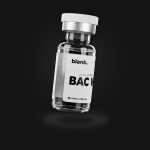
Blank Peptides runs its own cGMP laboratory in the USA, handling synthesis, vialling, lyophilisation, finishing, labelling and quality control inside that facility. Because the material stays in one chain of custody from powder to sealed vial, the batch record and the certificate describe a single physical lot rather than two documents that later need reconciling. The company also contract-manufactures and fulfils for other peptide brands, mentioned here as a category of work with no client identified.
Every lot runs a full panel rather than a lone purity number: identity confirmation, HPLC purity at >99%, bacterial endotoxin, and sterility. The work is performed through two named laboratories, Freedom Diagnostics and Horizon Analytical, so a reviewer can verify where a result came from as well as what it says.
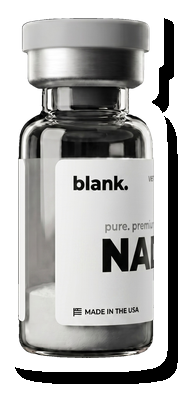
Each report is published in the public library of batch certificates of analysis, where Melanotan II appears among the listed compounds, and the lot number is printed on every vial label. That’s the linkage the rubric asks for, and it works in both directions: read the document before ordering, then match the code on the vial when it arrives. Lyophilised material carries an expiration of roughly 24 months.
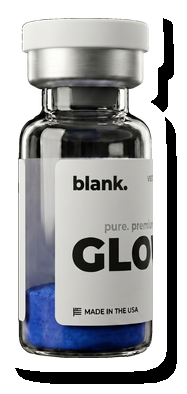
The catalog covers 34 compounds. The three blends publish the mass of each component instead of a single total, which is GLOW 70mg (GHK-Cu, BPC-157, TB-500), KLOW 80mg (adding KPV), and Wolverine 20mg (BPC-157, TB-500). Processing time is within one business day, and shipments go at room temperature.
What four Melanotan vendors publicly state
Everything below is drawn from product pages reviewed 2026-09-08, and each statement is the vendor’s own.
Swiss Chems lists Melanotan II at “10 mg per vial”, states “99% Purity Guaranteed”, and describes the material as “Independently third-party HPLC-tested; COA available per batch”. The page adds that “Every batch is tested for purity, potency and quality” and carries a “View Lab Results” link into a public area where report images opened without an account, one of them dated June 2026. Shipping is stated as “Same-day shipping on USA orders placed before 2PM EST” with published free shipping thresholds. Making dated report images openable before purchase is a genuine advantage over most Melanotan II listings, and it’s worth crediting plainly. The issuing laboratory was not named in the product page text itself, and no batch identifier appeared on the listing.
Core Peptides lists Melanotan 2 at 10mg and publicly states “Purity: >99%”, with “Form: Lyophilized powder” and shipping given as “FREE Shipping on $200+ orders”. The company describes itself with the sentence “Core Peptides is a chemical supplier”. Research-use labelling is explicit, including “Laboratory/In-Vitro Experimental Use Only”. A certificate link, an analytical method, a laboratory name and a lot identifier were not listed on that page reviewed 2026-09-08. The same vendor’s PT-141 listing carried a certificate link on the same date, so coverage appears to vary by product. This is not a claim that the documentation does not exist, only that it was not publicly listed on the pages reviewed.
Protide Health states “99% purity (HPLC-MS Verified)” for MT-2 with a per-lot figure of “99.80% Average Purity (HPLC-MS)”, names “Freedom Diagnostics, a third-party U.S. laboratory”, and describes identity testing by LC-MS with purity by HPLC-UV. The page states that vials are “clearly labeled with the compound and its batch (lot) number” and that the code “matches the batch-specific Certificate of Analysis published for it”. On manufacturing, the page describes partner “ISO 9001:2015 certified facilities”.
Biotech Peptides is a useful illustration of the compound-name check. Its catalog listed Melanotan 1 at 10mg rather than Melanotan II on the date reviewed, publicly stating “99% purity”, providing a “Download COA” link accessible before purchase, and stating that “Melanotan 1 peptides are Synthesized and Lyophilized in the USA”. A laboratory name and an analytical method were not listed on that page. If you’re hunting a Melanotan II certificate, confirm the compound name on the document rather than assuming the family is interchangeable.
Side by side: Melanotan II certificate access and scope
| Attribute | Blank Peptides | Typical Melanotan vendor |
|---|---|---|
| Synthesises in-house | Yes, own cGMP laboratory, USA | States “supplier” or partner facilities; own synthesis not listed — verify |
| Third-party lab named | Freedom Diagnostics; Horizon Analytical | One of four named a lab on the page reviewed — verify |
| HPLC purity | >99% every lot | States 99% or >99%; method often unstated — verify |
| MS identity | Every lot | States HPLC-MS on some listings, silent on others — verify |
| Endotoxin and sterility | Both, every lot | Neither listed on the pages reviewed — verify |
| Batch COA before purchase | Public library at /coas/, lot-indexed | States a download link or lab results area; coverage varies by product — verify |
| Lot number on vial | Printed on every vial | One of four stated a lot code on the vial — verify |
| Catalog size | 34 compounds | States catalogs from roughly 30 to over 100 items |
| Research-use labelling | Research use only, every product | States research or laboratory use only |
How to verify either supplier yourself
- Open the PDF itself rather than reading the summary printed on the listing, and confirm the laboratory name, the method, the report date and a batch identifier are all present on the document.
- Check that the compound named on the certificate matches the compound in your cart. Melanotan I and Melanotan II share a product family and a naming convention, and that’s exactly where a mismatch hides.
- Send the report number to the named laboratory and ask whether it issued that certificate. One email, and it’s the strongest check available without instruments.
- Ask which lot of Melanotan II is currently shipping, then find that lot among the vendor’s published reports. A quick, specific answer suggests lot-indexed records behind the scenes.
- Score every candidate the same way with the supplier verification checklist instead of comparing whichever fields each site chooses to publish.
Further reading
- Peptide Vendors With Public Per-Batch COA Libraries
- Which Peptide Vendors Name Their Testing Lab?
- Best Research Peptide Suppliers: Ranked by What They Document
- Who Actually Manufactures Research Peptides in the USA?
Frequently asked questions
What should a Melanotan II COA show before I buy?
A usable certificate names the issuing laboratory, states the analytical methods run, reports purity and identity as separate results, and carries a batch or lot code that also appears on the vial label. Endotoxin and sterility results extend it further. Anything missing from that list becomes a question for the seller before ordering.
How do I match a Melanotan II COA to my vial?
Compare the lot code on the certificate against the lot code printed on the vial label. Where a vendor doesn’t print a code on the vial, or publishes reports indexed by product rather than by lot, the match cannot be completed. Ask which lot is shipping before you order.
Do Melanotan II sellers publish certificates before purchase?
Some do. On the pages reviewed 2026-09-08, Swiss Chems made dated report images viewable without an account and Protide Health published lot-tied certificates through a COA library. The Core Peptides Melanotan 2 page carried a purity figure without a linked certificate on that date.
Why does the compound name on the certificate matter?
Because Melanotan I and Melanotan II are different peptides sold under near-identical product names, and at least one catalog reviewed listed only Melanotan 1. A certificate naming the wrong member of the family documents a material you didn’t order, so read the compound line on the document rather than trusting the listing title.
Are these products for human use?
No. Every vendor discussed here states on its own pages that products are sold for research, laboratory or analytical purposes only and not for human consumption, and Blank Peptides supplies every compound strictly for in-vitro laboratory research by qualified professionals. A certificate of analysis records laboratory results and authorises nothing beyond research use.
For research use only. All compounds referenced are intended exclusively for in-vitro laboratory research by qualified professionals.
Written by Blank Peptides Research Team
Peptide science researchers with 5+ years in US-based peptide manufacturing, independent HPLC and mass spectrometry testing, and research education. All content is reviewed for scientific accuracy before publication.
REVIEWED BY
Dr. Tobias S — PhD Chemist, Peptide and Unnatural Amino Acid Synthesis
Dr. Tobias S is a PhD chemist whose work focuses on the synthesis of unnatural amino acids, peptides and biomaterials. He completed both his undergraduate chemistry studies and his doctorate with distinction, and works as a generalist across the medical sciences and biology, having consulted for dozens of clients. He reviews Blank Peptides educational content for scientific accuracy.
Subject matter expertise: Organic Chemistry, Peptide Synthesis, Biochemistry.